
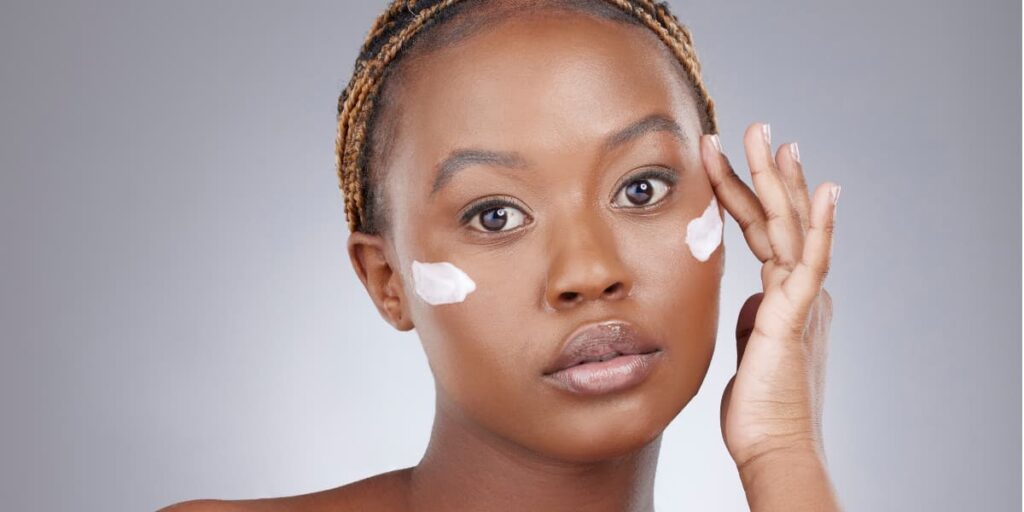
Damaged skin barrier vs acne is one of the most practically important distinctions in skincare, and one of the most frequently missed. Both conditions produce breakouts. Both produce redness. Both produce skin that looks congested and inflamed. And treating one as though it were the other is one of the most reliable ways to make your skin significantly worse while genuinely believing you are doing the right thing.
The person who treats barrier damage with acne products dries out an already compromised skin surface, triggers more inflammation, and deepens the structural damage while watching new breakouts appear and assuming the acne is getting worse. The person who treats acne with barrier-repair products sees their pores continuing to fill with sebum and dead cells because the actual cause of the congestion is going unaddressed.
This guide tells you exactly how to tell damaged skin barrier vs acne apart, what causes each one, how each one behaves differently under the same conditions, and five products that address both concerns without confusing the treatment approach.
What a Damaged Skin Barrier Actually Is
In the damaged skin barrier vs acne comparison, it helps to start with a precise understanding of what a damaged barrier is, because most people have a vague sense of the term without understanding what it means structurally.
The skin barrier, the stratum corneum, is the outermost layer of the skin. It is composed of skin cells bonded by a lipid matrix of ceramides, fatty acids, and cholesterol. This structure has two primary functions: preventing transepidermal water loss (TEWL), where moisture evaporates out of the skin, and blocking the entry of irritants, bacteria, and allergens from the environment.
When this matrix is intact, the skin holds moisture, stays calm, and reacts minimally to environmental triggers. When it is damaged, the lipid bonds break down. Moisture escapes continuously. Irritants and bacteria enter more easily, triggering inflammatory responses. The skin becomes reactive, sensitive, and prone to redness and breakout-like eruptions from irritants that a healthy barrier would simply block.
The key insight for damaged skin barrier vs acne is that barrier damage produces inflammation and eruptions not from inside the follicle, as genuine acne does, but from irritants penetrating a porous outer layer. The source of the problem is external, not internal.
What Acne Actually Is
Acne is a condition originating inside the hair follicle. Sebaceous glands produce excess sebum, which mixes with dead skin cells inside the follicle. This mixture forms a plug, creates the anaerobic environment in which acne-causing bacteria (Cutibacterium acnes) proliferate, and triggers the immune response that produces the inflammation, redness, and pustules most people associate with acne.
In the damaged skin barrier vs acne comparison, the source of the problem is the defining difference. Acne comes from within the follicle. Barrier damage-related eruptions come from irritants penetrating the outer skin layer. This distinction determines which products help and which make things significantly worse.
The Causes of Each Condition
Understanding the causes of damaged skin barrier vs acne makes identification more straightforward because the circumstances under which each develops are different.
A damaged skin barrier is almost always acquired through external causes. Over-exfoliation, combining multiple acids or retinoids without adequate recovery time, stripping cleansers, prolonged UV exposure without SPF, environmental stress including harmattan’s extreme low humidity, and certain medications are the most common causes. The damage develops from something that has been done to the skin.
Acne is driven by internal causes: hormonal fluctuations that increase sebum production, the proliferation of acne-causing bacteria in congested follicles, genetic predisposition to sebaceous gland overactivity, and dietary factors including high-glycaemic foods and dairy that elevate the hormones stimulating oil production. Acne develops from inside the skin regardless of external factors, though external factors can worsen it.
How to Tell Damaged Skin Barrier vs Acne Apart
The symptom patterns of damaged skin barrier vs acne overlap enough to create genuine confusion but differ in ways that become identifiable with the right checklist.
Damaged skin barrier typically shows:
Sudden reactivity to products previously tolerated without issue. Burning or stinging from toners, serums, and sometimes water itself. Redness without obvious cause. New breakout-like eruptions in areas not typically prone to acne. A flat, shiny appearance to the skin surface. Tightness that persists despite moisturiser. Products providing less relief than expected. Rapid worsening with acne-targeting products containing acids or benzoyl peroxide. A recent history of aggressive routine escalation or new product introduction.
Acne typically shows:
Congested pores with blackheads and whiteheads. Inflamed papules and pustules with identifiable follicular origin. Comedones in T-zone or cheek areas consistent with pattern. Cyclical worsening around hormonal changes. Consistent occurrence in the same areas regardless of products used. Limited or no reaction to products that are not specifically anti-acne. No correlation with recent routine changes.
The fastest single test in damaged skin barrier vs acne identification: did the breakouts or eruptions begin after changing, escalating, or introducing new products to your routine? If yes, barrier damage is the more likely primary cause. If the breakouts are long-standing and occur in consistent areas regardless of what you apply, active acne is more likely.
9 Signs You Are Dealing With a Damaged Skin Barrier, Not Acne
- Your skin started reacting after you added new actives. A previously stable skin that deteriorates after introducing AHAs, BHAs, retinol, or multiple new products at once is almost certainly experiencing barrier damage, not new-onset acne.
- Products that previously felt fine now sting or burn. In the damaged skin barrier vs acne checklist, this is the single most reliable indicator of barrier compromise rather than active acne.
- Your skin is simultaneously oily and sensitised. Oily skin does not become reactive or stinging from familiar products without barrier damage. Oily skin with active acne is congested and inflamed but not sensitised to water or standard skincare products.
- The breakouts are not in your usual acne zones. Acne follows consistent patterns tied to sebaceous gland distribution. Eruptions appearing in new locations following routine changes are more likely barrier-damage reactions than new acne.
- Moisturiser does not relieve your skin’s tightness. Dehydrated, dry, or barrier-damaged skin shows tightness. Acne skin typically does not feel tight. If your supposedly acne-prone skin also feels tight and is not responding to moisturiser, barrier damage is likely involved.
- Your skin looks waxy or shiny in an abnormal way. This specific appearance distinguishes barrier-damaged skin from the standard inflammatory appearance of acne.
- Applying anti-acne products makes things worse. In damaged skin barrier vs acne cases where barrier damage is the actual issue, acid-based acne products compound the disruption and worsen inflammation rather than clearing it.
- You have redness without clear pustules. Barrier damage produces diffuse redness from irritant penetration. Acne produces localised redness concentrated around follicular papules and pustules.
- Your skin worsens dramatically in harmattan or air conditioning. Barrier-damaged skin is far more sensitive to environmental humidity changes than acne-prone skin, because the depleted lipid matrix offers less protection against TEWL in low-humidity conditions.
The 5 Best Products for Damaged Skin Barrier vs Acne
1. Purito Oat-in Calming Gel Cream — Best for Damaged Skin Barrier Recovery
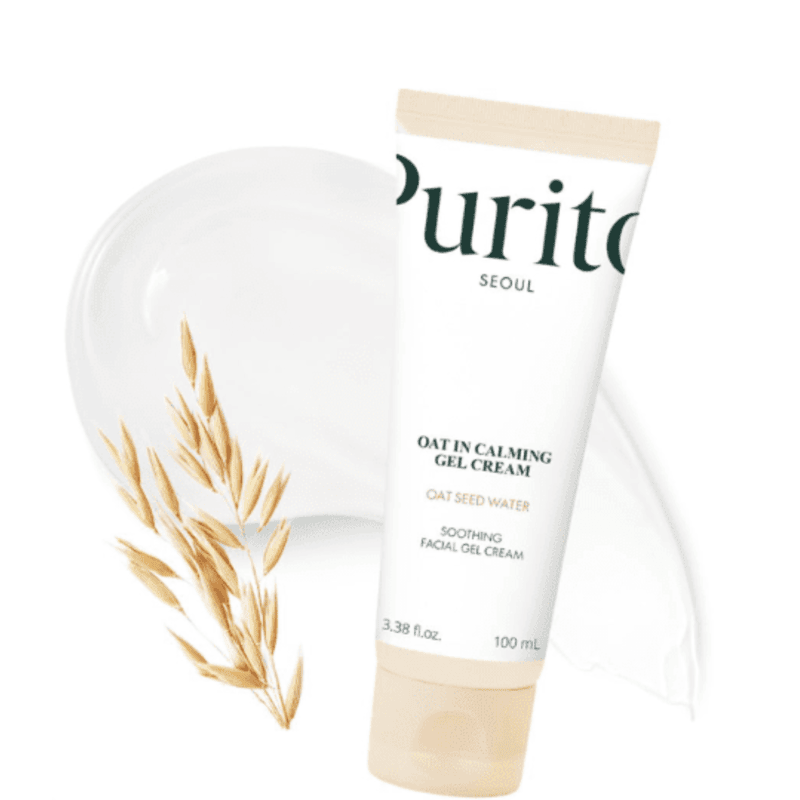
In the damaged skin barrier vs acne treatment context, the damaged barrier scenario requires immediate soothing, barrier repair, and a cessation of the active ingredients that may have caused or worsened the damage. The Purito Oat-in Calming Gel Cream is precisely formulated for this purpose, delivering oat extract’s exceptional soothing and anti-inflammatory properties alongside barrier-strengthening benefits in a lightweight gel-cream that does not feel heavy or occlusive in Nigeria’s warm climate.
Oat extract (Colloidal Oatmeal) is one of the most well-researched soothing ingredients available in skincare, with documented efficacy for reducing the redness, itching, and inflammatory response that characterise a damaged barrier reaction. Its beta-glucan content strengthens the barrier against further irritant penetration while the skin’s own repair mechanisms work to restore ceramide and lipid content.
For someone establishing their position in the damaged skin barrier vs acne spectrum and dealing with barrier damage, this product provides the calm, supportive environment the barrier needs to begin recovery without introducing any additional active ingredients that could worsen disruption.
Pros:
- Oat extract provides clinically validated soothing for the redness and irritation of damaged skin barrier
- Lightweight gel-cream texture is comfortable in Nigeria’s climate without occluding recovering skin
- Strengthens the skin barrier against further irritant penetration during the recovery period
- Fragrance-free, gentle formula introduces no additional inflammatory triggers to compromised skin
Cons:
- Soothing and barrier-supporting focus without active acne-clearing ingredients for genuine acne concerns
- Works most effectively as part of a simplified routine during active barrier damage recovery
2. Cos De Baha C1 Ceramide Gel Cream — Best Ceramide Moisturiser for Barrier Repair
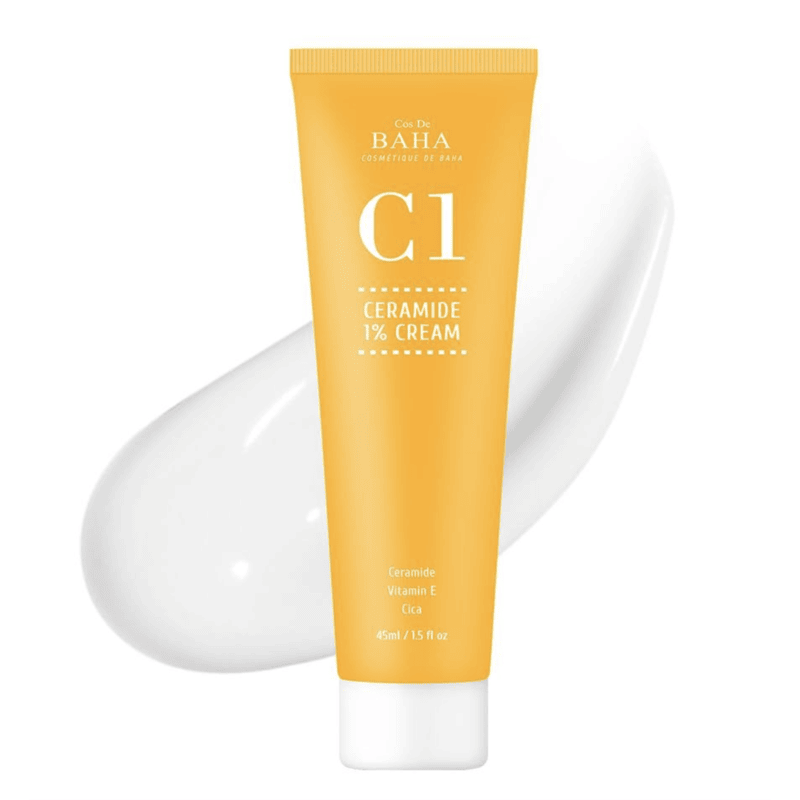
Ceramide replenishment is the most structurally targeted treatment available for the damaged barrier side of the damaged skin barrier vs acne scenario. The stratum corneum’s lipid matrix is approximately 50 percent ceramides, and when this content is depleted through over-exfoliation, harsh cleansing, or UV damage, restoring it is the primary requirement for barrier recovery.
The Cos De Baha C1 Ceramide Gel Cream delivers concentrated ceramide content in a lightweight, refreshing gel-cream format that suits all skin types including oily and combination skin dealing with barrier damage. For the damaged skin barrier vs acne distinction, this is particularly relevant because oily skin dealing with barrier damage rather than active acne needs ceramide repair without the heavy, comedogenic textures that would worsen genuine acne.
The gel-cream texture absorbs without heaviness, making it practical for consistent daily use in both morning and evening routines throughout the four to eight weeks that barrier recovery typically requires.
Pros:
- Ceramide delivery directly addresses the lipid matrix depletion that defines damaged skin barrier
- Lightweight gel-cream texture suits oily and combination skin types dealing with barrier damage
- Replenishes moisture and improves dry, rough, and dehydrated skin for both barrier damage and acne-adjacent dryness
- Comfortable, non-greasy finish supports consistent twice-daily use throughout a barrier recovery period
Cons:
- Does not contain active acne-clearing ingredients for skin dealing with genuine acne alongside barrier concerns
- Works most effectively when layered under a soothing gel-cream rather than used alone for severe barrier damage
3. Isntree Green Tea Fresh Toner — Best Toner for Both Conditions
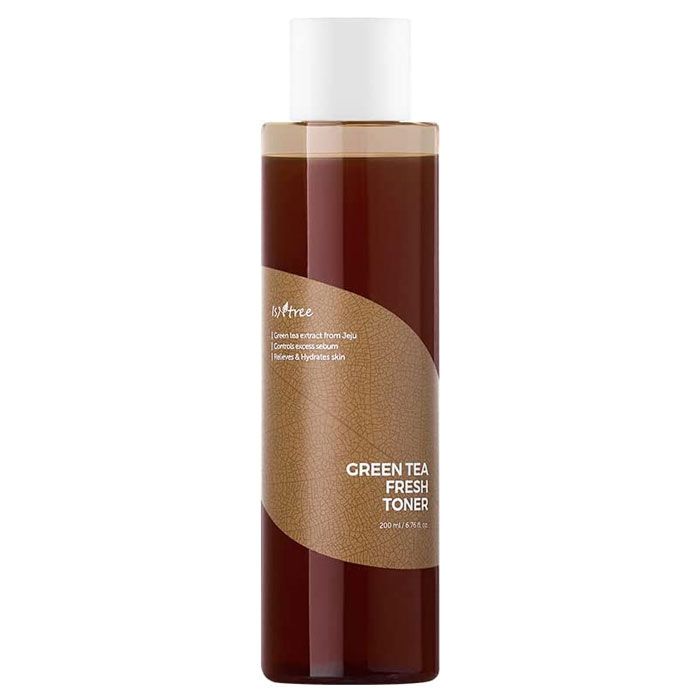
Finding a toner appropriate for both sides of the damaged skin barrier vs acne comparison requires a formula that is simultaneously oil-controlling and barrier-supportive, without the exfoliating acids that worsen a damaged barrier or the heavy ingredients that worsen genuine acne. The Isntree Green Tea Fresh Toner achieves this balance through 80% Jeju green tea extract, which controls oil and soothes sensitivity without either exfoliating or occluding.
Green tea’s polyphenol content provides antioxidant protection that reduces the oxidative inflammation relevant to both conditions: the irritant-driven inflammation of a damaged barrier and the bacterial inflammation of active acne. Sebum control without barrier disruption is the specific function that makes this toner most relevant in the damaged skin barrier vs acne context, as excess sebum contributes to acne congestion while toners that control oil through stripping or acids worsen barrier damage.
Applied after cleansing as the first active step, it creates a calmer, more balanced skin surface that is appropriate regardless of which side of the damaged skin barrier vs acne distinction is present.
Pros:
- 80% green tea extract controls oil and soothes sensitivity without acids that worsen damaged skin barrier
- Antioxidant polyphenols reduce inflammatory response relevant to both damaged barrier and active acne
- Hydrating function addresses the moisture deficit that accompanies barrier damage without causing congestion
- Suitable for all skin types including the most sensitive barrier-compromised skin
Cons:
- Does not contain active BHA for follicle-penetrating pore clearance that active acne requires
- Oil control is supportive rather than clinical, requiring additional acne-targeting products for significant breakout management
4. Nine Less B Boost 10% Niacinamide Serum — Best Serum for Both Damaged Skin Barrier and Acne
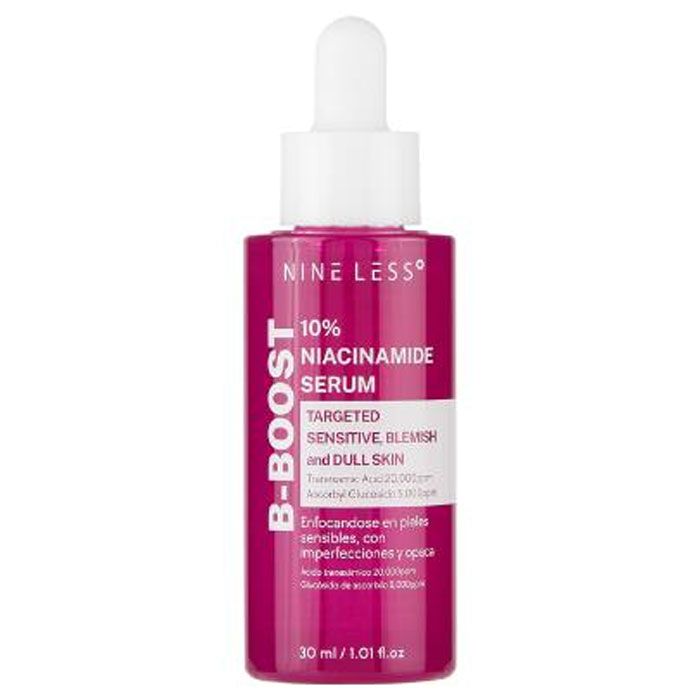
Niacinamide is the rare active ingredient that is genuinely appropriate for both sides of the damaged skin barrier vs acne distinction, which is what makes it the most strategically valuable single serum for someone who is not yet certain which condition is primary.
The Nine Less B Boost 10% Niacinamide Serum delivers niacinamide at the upper end of the effective concentration range for comprehensive sebum regulation, pore refinement, and barrier strengthening. For the acne side of damaged skin barrier vs acne, niacinamide regulates the excess sebum production that keeps follicles congested and reduces the post-inflammatory hyperpigmentation that lingers after breakouts. For the damaged barrier side, niacinamide strengthens the ceramide content of the lipid matrix, reduces the inflammation driving irritant penetration, and improves the skin’s overall structural resilience.
The lightweight formula absorbs quickly and creates no comedogenic risk, making it appropriate for acne-prone skin. The anti-inflammatory and barrier-strengthening mechanisms make it appropriate for barrier-damaged skin. In the damaged skin barrier vs acne context, this is the most universally applicable active serum available.
Pros:
- 10% niacinamide strengthens the skin barrier for damaged barrier and regulates sebum for acne simultaneously
- Reduces post-inflammatory hyperpigmentation that follows both barrier damage eruptions and acne breakouts
- Lightweight formula absorbs quickly and causes no comedogenic risk for acne-prone skin
- Anti-inflammatory properties address the redness and irritation of both conditions simultaneously
Cons:
- 10% concentration warrants gradual introduction for those new to concentrated niacinamide
- Should be applied separately from high-concentration Vitamin C to avoid flushing in reactive skin
5. COSRX AHA/BHA Clarifying Treatment Toner — Best Exfoliating Toner for Active Acne
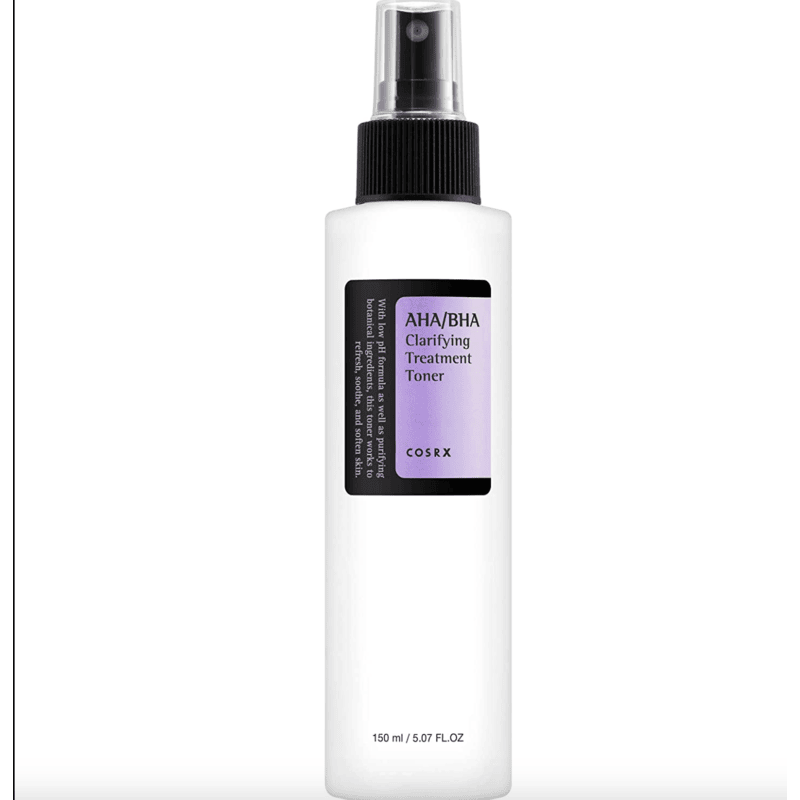
The COSRX AHA/BHA Clarifying Treatment Toner is positioned specifically for the acne side of the damaged skin barrier vs acne distinction, because its AHA and BHA exfoliating content would worsen an already damaged barrier while significantly improving the follicle congestion that drives active acne.
AHAs dissolve the dead cell bonds at the skin surface that contribute to pore congestion. BHAs penetrate the oil-filled follicle to dissolve the sebum and dead cell accumulation from within. Together, they address both dimensions of the pore congestion that creates acne, the surface accumulation and the internal plug, in a toner format that is gentle enough for consistent use while delivering meaningful exfoliating activity.
For anyone who has completed the damaged skin barrier vs acne identification process and confirmed that active acne rather than barrier damage is the primary concern, this is the most appropriate exfoliating toner to introduce once the routine’s other steps are established. It should not be used during active barrier damage recovery.
Pros:
- AHA and BHA combination addresses both surface and follicle-level congestion for genuine acne management
- Gentle enough for consistent use while delivering meaningful pore-clearing exfoliation
- Improves skin texture, pore appearance, and overall skin balance with regular use
- Well-formulated toner that integrates easily into a post-identification acne-focused routine
Cons:
- Absolutely contraindicated for the damaged skin barrier scenario in the damaged skin barrier vs acne distinction
- Should only be introduced after confirming active acne rather than barrier damage as the primary concern
How to Build a Routine Based on Your Diagnosis
If you have a damaged skin barrier: Stop all exfoliating actives, including the COSRX AHA/BHA Toner, immediately. Simplify to Isntree Green Tea Fresh Toner, Nine Less B Boost Niacinamide Serum, and Cos De Baha C1 Ceramide Gel Cream, with Purito Oat-in Calming Gel Cream for soothing on reactive evenings. Allow two to four weeks of recovery before reintroducing actives one at a time.
If you have active acne: Isntree Green Tea Fresh Toner after cleansing. COSRX AHA/BHA Clarifying Toner three to four evenings per week. Nine Less B Boost Niacinamide Serum. Cos De Baha C1 Ceramide Gel Cream as your moisturiser to maintain barrier integrity while treating acne.
At Perona Beauty, all five products are available in store. Visit us at 120 Ogudu Road, Opposite Debonairs Pizza, Ogudu, Lagos, or at 42 Ademolu House, Ita Eko, Abeokuta. Our team will help you determine which side of the damaged skin barrier vs acne distinction applies to your skin and build the right routine accordingly.
The Right Diagnosis Determines the Right Treatment
The entire value of understanding damaged skin barrier vs acne as distinct conditions is that it changes what you do next. Apply acne treatment to a damaged barrier and you make it worse. Apply barrier repair to active acne and you leave the congestion unaddressed.
The five products in this guide cover both scenarios: Purito Oat-in Calming Gel Cream and Cos De Baha C1 Ceramide Gel Cream for barrier recovery, Isntree Green Tea Fresh Toner and Nine Less B Boost Niacinamide Serum for both conditions, and COSRX AHA/BHA Clarifying Toner for confirmed active acne.
Identify correctly. Treat specifically. Give the routine the eight weeks it needs to show results.
Frequently Asked Questions About Damaged Skin Barrier vs Acne
Can I have both a damaged skin barrier and active acne at the same time?
Yes, and this co-occurrence is one of the most challenging skin situations to manage. In the damaged skin barrier vs acne overlap scenario, the damaged barrier must be addressed first. Using acne-targeting exfoliants on an already compromised barrier worsens inflammation and creates a reactive cycle that neither condition can resolve under. Spend two to four weeks on barrier repair before reintroducing acne treatments.
How quickly does a damaged barrier recover with the right products?
Mild barrier damage in the damaged skin barrier vs acne context typically shows significant improvement within two to four weeks of a simplified ceramide-focused routine. Moderate damage takes four to eight weeks. Severe or chronic barrier compromise from prolonged over-exfoliation can take three to six months of consistent simplified routines before exfoliating actives can be safely reintroduced.
Can niacinamide help with both conditions?
Yes. Niacinamide is the most broadly applicable active in the damaged skin barrier vs acne context because it addresses sebum regulation for acne and ceramide strengthening for barrier repair through different mechanisms that serve both conditions. The Nine Less B Boost 10% Niacinamide Serum is appropriate regardless of which condition is diagnosed.
Should I avoid all exfoliants if I have a damaged barrier?
Yes, temporarily. In the damaged skin barrier vs acne barrier-damage scenario, all exfoliating actives including AHAs, BHAs, and retinoids should be paused for two to four weeks minimum. Reintroduce only after the stinging, burning, and reactive redness have fully resolved. Begin with the gentlest available option at the lowest frequency and build tolerance slowly.