

Over-exfoliation and skin barrier damage is one of the most common and most preventable skincare mistakes. In a culture that increasingly values active ingredients and visible results, exfoliation has become something people do more of when they are not getting the results they want, when the opposite approach is almost always what the skin actually needs.
The irony of over-exfoliation and skin barrier disruption is that it produces the exact symptoms people were trying to fix in the first place: breakouts, redness, dryness, sensitivity, and dullness. Understanding why this happens, what the signs look like, and how to repair the damage is what separates a skin that recovers quickly from one that stays in a reactive, disrupted state for months.
What the Skin Barrier Is and Why It Matters
Before understanding over-exfoliation and skin barrier damage specifically, it helps to have a clear picture of what the barrier is and what it does.
The skin barrier is the outermost layer of the skin, the stratum corneum, composed of flattened skin cells held together by a lipid matrix of ceramides, fatty acids, and cholesterol. Think of it as a brick-and-mortar structure: the cells are the bricks, and the lipids are the mortar that holds them together and fills the gaps. This structure performs two essential functions: it retains moisture inside the skin by preventing transepidermal water loss (TEWL), and it blocks the entry of irritants, bacteria, allergens, and environmental damage.
When the barrier is intact, skin holds moisture effectively, remains calm and resilient under environmental stress, heals quickly from minor damage, and resists the triggers that cause inflammation and breakouts. When the barrier is compromised, moisture evaporates freely, irritants enter easily, and the skin becomes the reactive, sensitive, perpetually congested skin that looks like worsening of whatever concern prompted aggressive exfoliation in the first place.
How Over-Exfoliation Damages the Skin Barrier
The connection between over-exfoliation and skin barrier damage is direct and biological. Exfoliation, whether physical or chemical, works by accelerating the shedding of surface skin cells. This is beneficial at appropriate frequencies because it clears dead cells that accumulate on the surface, prevents pore congestion, and reveals fresher skin underneath.
The problem begins when exfoliation occurs more frequently than the skin can complete its natural recovery cycle. Each exfoliation session temporarily increases skin permeability by removing surface cells before their replacements have fully matured. This creates a window of enhanced vulnerability during which TEWL is elevated and barrier integrity is reduced. When the next exfoliation session occurs before this recovery window is complete, the disruption compounds. Repeated compounding of this disruption is what produces the chronic barrier damage associated with over-exfoliation and skin barrier compromise.
Physical over-exfoliation, from scrubs, cleansing brushes, or textured cloths used too frequently, causes direct mechanical micro-tearing of the skin surface alongside the barrier lipid depletion. Chemical over-exfoliation from AHAs, BHAs, and retinoids applied too frequently, at too high a concentration, or in combination without adequate recovery time produces barrier disruption through the lipid depletion mechanism without the mechanical tearing component, but the barrier damage outcome is equivalent.
The skin’s ceramide content is the specific casualty of over-exfoliation and skin barrier damage. Ceramides make up approximately 50 percent of the skin barrier’s lipid composition, and their depletion through repeated over-exfoliation creates the porous, moisture-losing barrier that produces all of the visible symptoms of a damaged barrier.
The Signs of Over-Exfoliation and Skin Barrier Damage
Recognising the specific signs of over-exfoliation and skin barrier damage is important because they overlap significantly with the symptoms of other skin conditions, and misidentifying them can lead to responses that worsen the damage.
The most characteristic sign of over-exfoliation and skin barrier damage is skin that stings or burns when products are applied that previously caused no reaction. This happens because the compromised barrier allows those products to penetrate to the nerve layer of the skin rather than being blocked at the surface.
Skin that looks simultaneously shiny and flaky is another distinctive indicator. The shininess reflects the compromised barrier’s increased permeability and reduced surface integrity. The flakiness reflects the accelerated, disorganised cell shedding that repeated exfoliation produces.
Persistent redness that does not resolve between exfoliation sessions indicates that the inflammatory response triggered by each exfoliation is not completing before the next one begins, which is the definition of over-exfoliation and skin barrier compounding damage.
Breakouts that appear in areas not previously prone to them, particularly after starting a new exfoliation product or increasing frequency, are a common manifestation of over-exfoliation and skin barrier damage. A compromised barrier is more permeable to the bacteria and irritants that cause breakouts, producing the paradox of more breakouts from a routine intended to clear skin.
Tightness that persists despite moisturiser application reflects the elevated TEWL of a damaged barrier, where moisture is evaporating from the skin faster than topical products can replace it.
9 Causes of Over-Exfoliation and Skin Barrier Damage
- Using AHAs and BHAs together in the same routine step compounds the exfoliating load beyond what the barrier can recover from between applications.
- Applying a retinoid and an acid exfoliant on the same evening creates a combined disruption from two different exfoliating mechanisms simultaneously.
- Using an exfoliating cleanser followed by a leave-on exfoliant delivers back-to-back exfoliation without recovery time between steps.
- Increasing exfoliation frequency when breakouts appear is the most common cause of over-exfoliation and skin barrier damage, because new breakouts from barrier disruption are mistaken for a sign that more exfoliation is needed.
- Using high-concentration chemical exfoliants without building tolerance first produces intense disruption that the barrier cannot recover from at the introduced frequency.
- Adding a physical scrub to a routine that already includes chemical exfoliants delivers mechanical damage on top of chemical disruption simultaneously.
- Exfoliating sunburned or sensitised skin applies exfoliants to a barrier already in an acutely compromised state, accelerating the over-exfoliation and skin barrier damage cycle dramatically.
- Not using SPF after exfoliation allows UV damage to compound the barrier disruption that exfoliation has caused, worsening the overall barrier damage outcome.
- Using exfoliants designed for the body on the face exposes facial skin, which is significantly thinner and more sensitive, to concentrations and abrasiveness calibrated for thicker body skin.
How to Repair Over-Exfoliation and Skin Barrier Damage
The repair protocol for over-exfoliation and skin barrier damage follows a clear principle: stop everything that is causing disruption and replace it with everything that supports repair.
Stop all exfoliants immediately. This includes AHAs, BHAs, retinoids, physical scrubs, and any product containing these actives. Over-exfoliation and skin barrier repair requires a complete cessation of exfoliating activity until the barrier has demonstrably stabilised, which typically takes two to four weeks.
Switch to the most gentle, fragrance-free cleanser available. Harsh surfactants strip the ceramide content of an already depleted barrier and must be removed from the routine during the repair period.
Introduce ceramide-rich, barrier-repairing products as the core of the repair routine. Ceramides directly replenish the specific lipid that over-exfoliation depletes, and their topical application has documented efficacy in accelerating barrier repair.
Add anti-inflammatory, soothing ingredients to reduce the inflammatory environment that over-exfoliation and skin barrier damage creates and that perpetuates the damage cycle.
Maintain consistent SPF use to prevent UV damage from compounding the barrier disruption during recovery.
The 5 Best Products for Over-Exfoliation and Skin Barrier Recovery
1. Bioderma Créaline Cleansing Gel Moussant — Best Gentle Cleanser for Damaged Barrier Recovery
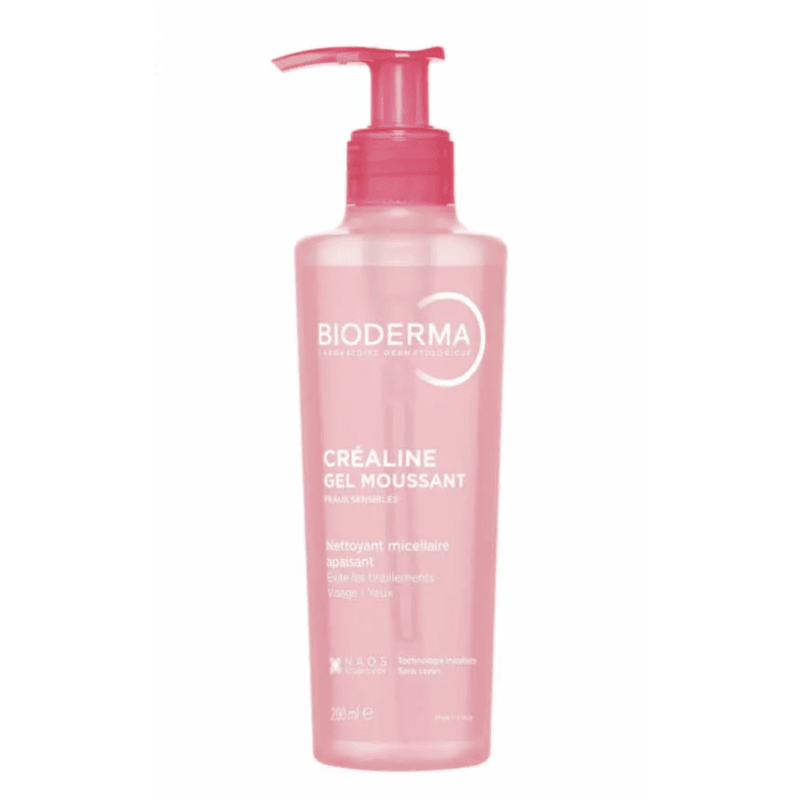
The first product change to make when addressing over-exfoliation and skin barrier damage is the cleanser. Harsh, stripping cleansers applied twice daily to an already compromised barrier compound the damage faster than almost any other routine mistake. The Bioderma Créaline Cleansing Gel Moussant (200ml) is one of the most appropriate barrier-safe cleansers available for the recovery period.
Bioderma’s Créaline range is built specifically for sensitive and reactive skin, using a formulation philosophy that prioritises maintaining skin balance over aggressive cleansing power. The foaming gel removes dirt, excess oil, and makeup residue effectively while leaving the skin feeling clean, comfortable, and non-stripped. The absence of the tight, dry feeling that typically follows standard cleansers is the direct result of a formula that respects the barrier rather than depleting it.
For skin in the active repair phase of over-exfoliation and skin barrier recovery, this is the cleanser that creates the most recovery-supportive post-cleanse skin state for the barrier serums and creams applied after.
Pros:
- Gentle formulation maintains skin balance during cleansing without stripping barrier lipids
- Leaves skin clean and comfortable rather than tight and depleted after use
- Appropriate for the most reactive and sensitive skin during over-exfoliation and skin barrier recovery
- Removes impurities effectively without the surfactant aggressiveness that compounds barrier damage
Cons:
- Gentle formula may require a dedicated makeup remover for very heavy or waterproof coverage
- Does not contain active barrier repair ingredients, requiring ceramide serums as follow-up steps
2. Haruharu Black Rice Hyaluronic Toner — Best Hydrating Toner for Over-Exfoliation Recovery
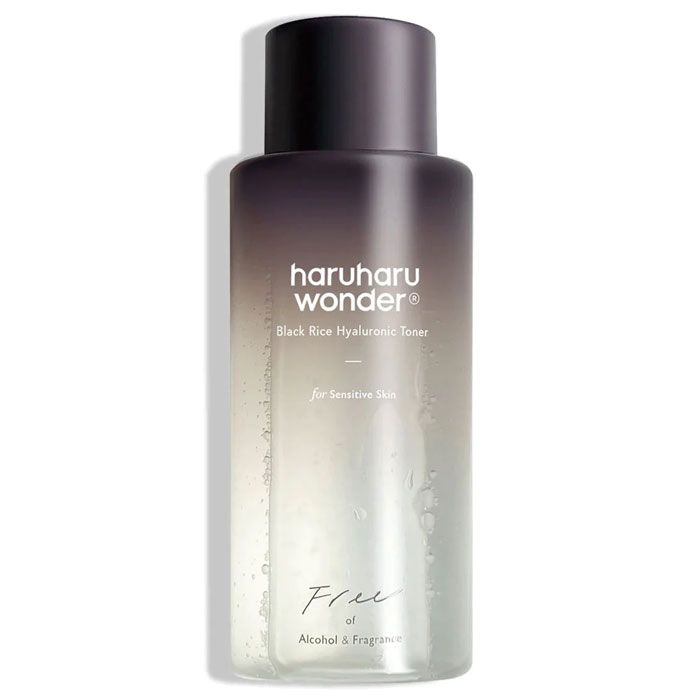
The elevated TEWL that accompanies over-exfoliation and skin barrier damage means the skin is losing moisture at a significantly higher rate than healthy skin. The Haruharu Black Rice Hyaluronic Toner addresses this directly by delivering black rice extract and hyaluronic acid in a calming, fragrance-free formula specifically designed for sensitive skin.
Black rice extract is rich in antioxidants, particularly anthocyanins, that reduce the oxidative stress and inflammation generated by barrier damage. This anti-inflammatory dimension is particularly valuable during over-exfoliation and skin barrier recovery because the inflammatory environment that barrier damage creates perpetuates the sensitivity and reactivity that make recovery feel slow.
Hyaluronic acid draws moisture into the skin cells and holds it there, partially compensating for the elevated TEWL of the damaged barrier by pulling moisture from available sources rather than relying on the barrier to retain it. Applied to slightly damp skin after cleansing, the toner creates the hydrated, calmed skin state that barrier-repair products applied after can work from most effectively.
Pros:
- Black rice extract reduces oxidative stress and inflammation driving over-exfoliation and skin barrier reactivity
- Hyaluronic acid compensates for elevated TEWL by drawing moisture into cells during barrier recovery
- Formulated specifically for sensitive skin making it appropriate for the most reactive recovery-phase skin
- Calming and hydrating toner creates an optimal base for barrier repair serums applied after
Cons:
- Hydrating toner without ceramides requires a dedicated ceramide serum for complete barrier repair
- Works most effectively as part of a layered barrier recovery routine rather than as a standalone product
3. Face Facts Barrier Repair Ceramide Serum — Best Ceramide Serum for Over-Exfoliation Recovery
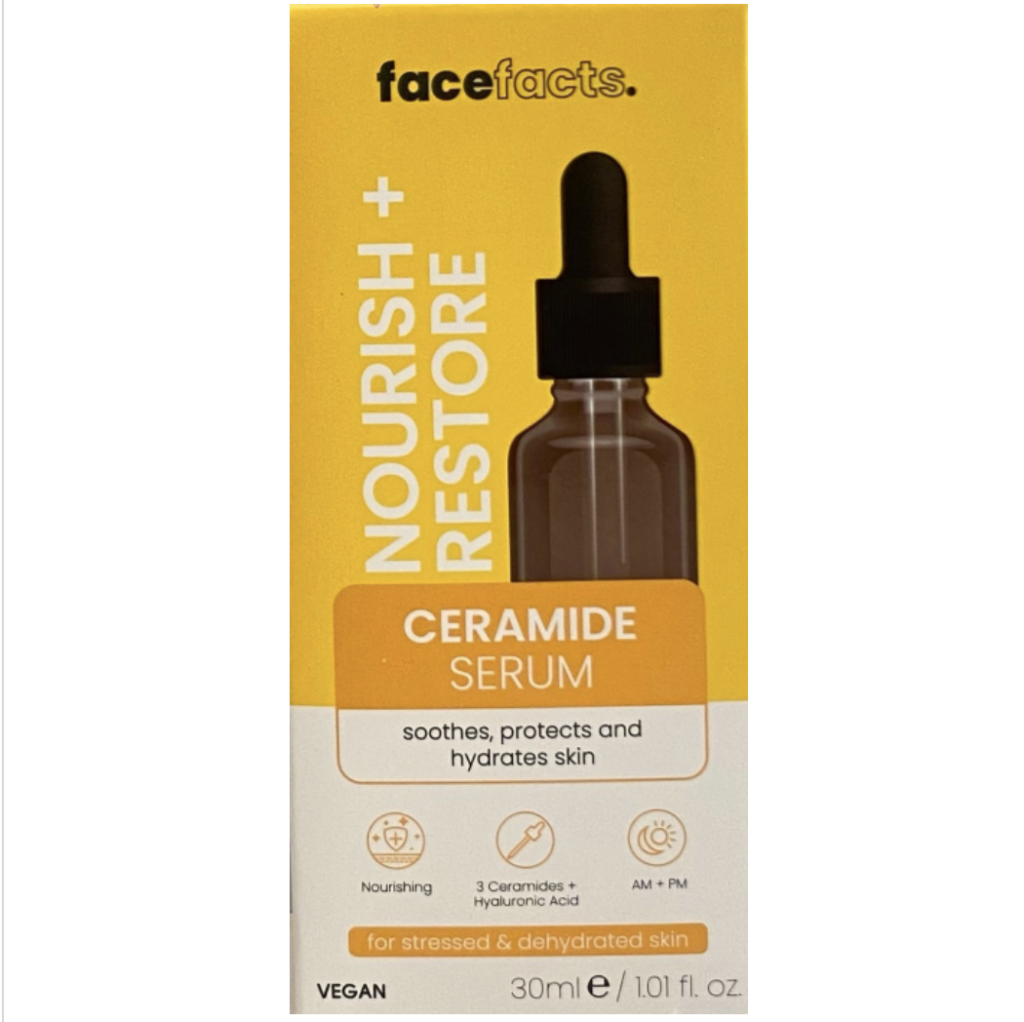
The Face Facts Barrier Repair Ceramide Serum is the most directly targeted product on this list for the specific mechanism of over-exfoliation and skin barrier damage. Ceramide depletion is the primary structural consequence of repeated over-exfoliation, and ceramide replenishment through topical application directly rebuilds what the over-exfoliation removed.
The inclusion of niacinamide alongside ceramides makes this serum more comprehensive than basic ceramide formulas. Niacinamide stimulates the skin’s own ceramide synthesis, amplifying the barrier-rebuilding effect of the topically applied ceramides and providing anti-inflammatory support that reduces the redness and sensitivity of over-exfoliation and skin barrier damage simultaneously. Hyaluronic acid provides the humectant hydration layer that maintains cellular moisture while the ceramides work on the structural barrier repair.
This serum is the functional core of the over-exfoliation and skin barrier repair routine because it addresses the structural deficit that all other repair products are supporting.
Pros:
- Ceramides directly replenish the barrier lipids depleted by over-exfoliation and skin barrier damage
- Niacinamide stimulates the skin’s own ceramide synthesis for compound barrier rebuilding benefit
- Hyaluronic acid maintains cellular hydration while the structural barrier repair takes place
- Calms sensitivity and reduces reactivity alongside the ceramide-focused structural repair
Cons:
- Barrier repair serum rather than an active treatment, requiring patience over two to four weeks for visible results
- Works best as part of a complete barrier repair routine rather than as a standalone recovery product
4. Some By Mi Beta Panthenol Repair Cream — Best Moisturiser for Over-Exfoliation and Skin Barrier Repair
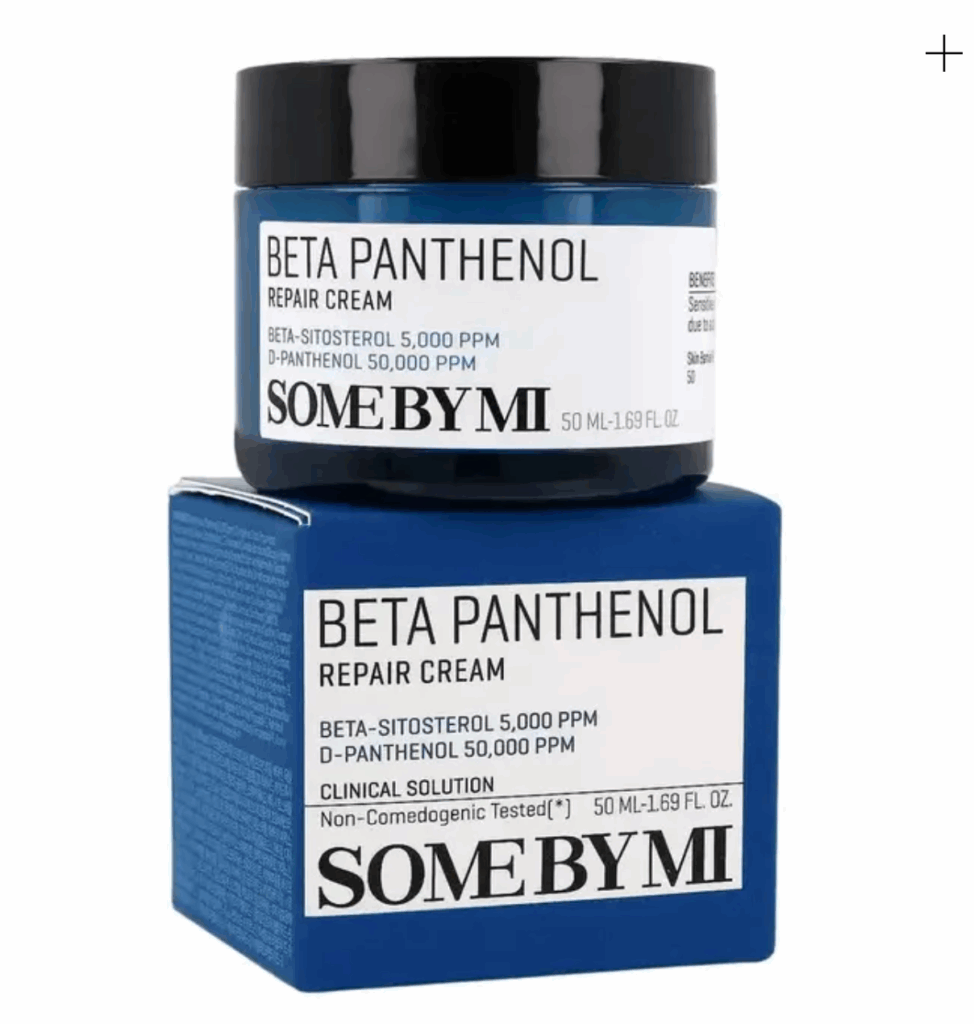
The final moisturising step in the over-exfoliation and skin barrier repair routine needs to accomplish two things: seal in the hydration and ceramides delivered by the preceding products, and provide active anti-inflammatory support that accelerates the repair of sensitised, reactive barrier skin. The Some By Mi Beta Panthenol Repair Cream (50ml) does both.
Beta-Sitosterol is a plant-derived compound with documented anti-inflammatory properties that directly calm the inflammatory signalling perpetuating over-exfoliation and skin barrier damage. Its mechanism is complementary to niacinamide’s, addressing inflammation through a plant sterol pathway that works synergistically with ceramide-based barrier repair.
Panthenol (Vitamin B5) is one of the most evidence-backed barrier repair ingredients available, promoting epidermal cell migration and proliferation that rebuilds the stratum corneum structure damaged by over-exfoliation. The combination of Beta-Sitosterol and Panthenol in a single moisturiser provides the anti-inflammatory and active repair functions that an optimal sealing step for over-exfoliation and skin barrier recovery requires.
Pros:
- Beta-Sitosterol provides plant-derived anti-inflammatory support for over-exfoliation and skin barrier calming
- Panthenol actively promotes barrier cell repair and proliferation for structural recovery acceleration
- Dermatologist-tested formulation appropriate for sensitive, acne-prone, and barrier-damaged skin
- Seals in the ceramide and hydration layers from preceding products for complete barrier moisture support
Cons:
- 50ml size requires monitoring and repurchasing during an extended recovery period
- Rich moisturiser texture is more appropriate for dry and normal skin types than oily skin in warm weather
5. Dang 5% Mandelic Acid 3-in-1 Foaming Face Wash — Best Gentle Reintroduction Exfoliant After Barrier Recovery
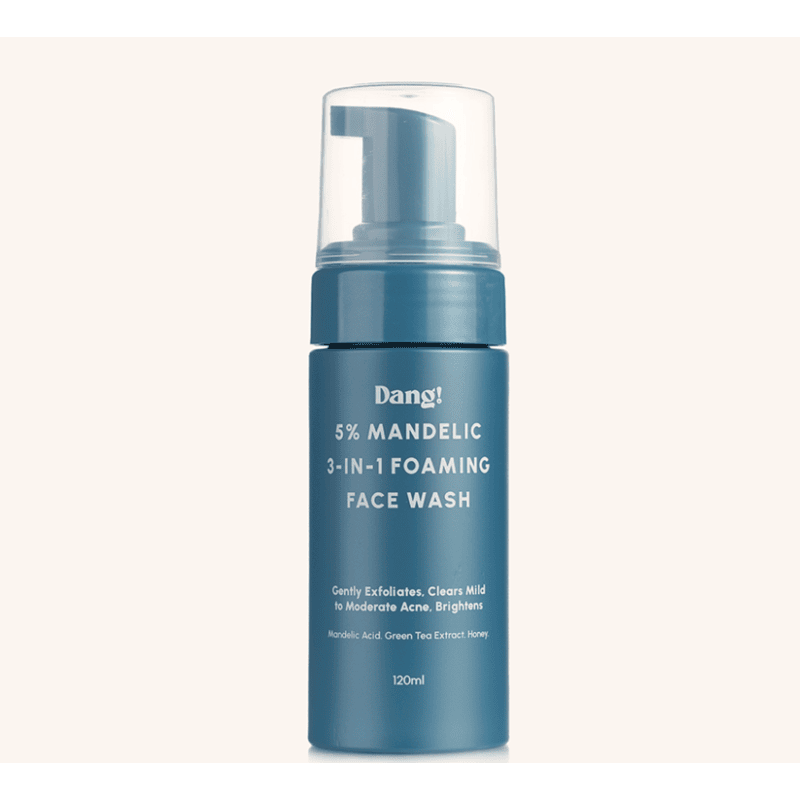
Once the barrier has stabilised after a period of over-exfoliation and skin barrier damage, reintroducing exfoliation requires the most gradual and gentle approach available. Returning immediately to the acids and frequencies that caused the damage recreates the same disruption. The Dang 5% Mandelic Acid 3-in-1 Foaming Face Wash offers the gentlest re-entry point into chemical exfoliation through mandelic acid’s larger molecular size and slower penetration rate.
Mandelic acid is an AHA with a significantly larger molecular size than glycolic acid, meaning it penetrates the skin more slowly and produces considerably less irritation at equivalent concentrations. At 5% in a wash-off cleanser format, the contact time is brief and the exfoliation is mild, making it one of the safest possible first exfoliating steps for skin recovering from over-exfoliation and skin barrier damage.
Used once every three to four days as the first reintroduction of exfoliation after a two to four week repair period, it allows the skin to gradually rebuild tolerance to mild chemical exfoliation without risking the compounding disruption that led to over-exfoliation and skin barrier damage in the first place.
Pros:
- Mandelic acid’s large molecular size provides slower, gentler penetration than glycolic or salicylic acid
- Wash-off cleanser format limits contact time for the most gradual exfoliation reintroduction possible
- Helps clear pores and smooth texture without the sustained acid exposure of leave-on exfoliants
- Appropriate for acne-prone, congested skin returning to exfoliation after over-exfoliation and skin barrier recovery
Cons:
- Wash-off format provides less sustained exfoliation benefit than leave-on acid alternatives
- Should only be introduced after a complete barrier repair period, not during active over-exfoliation damage
The Recovery Routine for Over-Exfoliation and Skin Barrier Damage
Morning: Bioderma Créaline Cleansing Gel gently with lukewarm water. Haruharu Black Rice Hyaluronic Toner on damp skin. Face Facts Barrier Repair Ceramide Serum. Some By Mi Beta Panthenol Repair Cream. SPF.
Evening: Bioderma Créaline Cleansing Gel. Haruharu Black Rice Hyaluronic Toner. Face Facts Barrier Repair Ceramide Serum. Some By Mi Beta Panthenol Repair Cream.
Zero exfoliants in this routine until the skin has stabilised over two to four weeks. No actives, no acids, no retinoids. Once the skin shows no stinging, persistent redness, or excessive tightness for at least two consecutive weeks, begin reintroducing the Dang Mandelic Acid Cleanser once every three to four days as the first step of gradual exfoliation return.
At Perona Beauty, all five products in this over-exfoliation and skin barrier recovery guide are available in store. Visit us at 120 Ogudu Road, Opposite Debonairs Pizza, Ogudu, Lagos, or at 42 Ademolu House, Ita Eko, Abeokuta. Our team will help you build the most appropriate recovery routine for your specific skin.
The Most Important Lesson in Skincare
Over-exfoliation and skin barrier damage teaches the most important lesson skincare has to offer: more is not better. The instinct to increase exfoliation when skin is not clearing, to add another active when results are slow, or to use higher concentrations when lower ones have not produced immediate transformation is the instinct that consistently leads skin away from health rather than toward it.
The barrier is not an obstacle between you and clear, bright, smooth skin. It is the foundation on which clear, bright, smooth skin is built. When it is intact, every product in your routine performs better. When it is compromised through over-exfoliation and skin barrier damage, no product can compensate for the structural deficit that compromised barrier function represents.
Protect it. Repair it when damaged. And if the path to better skin feels like it requires increasingly aggressive exfoliation, the right answer is almost always less exfoliation rather than more.
Frequently Asked Questions About Over-Exfoliation and Skin Barrier Damage
How long does it take to recover from over-exfoliation and skin barrier damage?
Mild over-exfoliation and skin barrier damage typically shows visible improvement within two to three weeks of stopping all exfoliants and following a consistent barrier repair routine. Moderate to severe damage takes four to eight weeks. The timeline is directly influenced by how consistently the repair routine is followed and how completely exfoliating actives are removed during the recovery period.
Can I keep using retinol during over-exfoliation and skin barrier recovery?
No. Retinol is an exfoliating active that accelerates cell turnover, which continues the same barrier disruption during the recovery period as the exfoliants that caused the damage. All forms of over-exfoliation and skin barrier recovery require cessation of retinol alongside acids and physical scrubs until barrier stability is confirmed.
How do I know when my barrier has recovered enough to reintroduce exfoliation?
The key indicators of barrier recovery from over-exfoliation and skin barrier damage are: products that previously stung no longer cause stinging, persistent redness has resolved, skin feels comfortable without immediate reapplication of moisturiser, and new breakouts from barrier disruption have stopped appearing. Wait at least two weeks after all these indicators are present before reintroducing any exfoliant.
Can over-exfoliation and skin barrier damage cause permanent harm?
In most cases, no. Over-exfoliation and skin barrier damage is reversible with the right recovery protocol and adequate time. However, severe or very prolonged barrier disruption can trigger post-inflammatory hyperpigmentation and scarring from the breakouts it causes, which take considerably longer to address than the barrier disruption itself.