
The concern about retinol and skin barrier damage is one of the most frequently asked questions in skincare, and it is a legitimate one. Retinol is the most clinically validated topical anti-ageing ingredient available without a prescription. It is also one of the ingredients most associated with redness, peeling, dryness, and sensitivity during initial use. These side effects have led many people to either avoid retinol entirely or abandon it before seeing results, and they have generated a persistent question: does using retinol mean damaging your skin barrier?
The answer is nuanced, and understanding it correctly is what allows you to use retinol productively rather than fearfully. This guide covers exactly what happens between retinol and skin barrier function, when retinol causes damage and when it does not, how to use it in a way that minimises barrier disruption, and seven products that either deliver retinol gently or actively protect the barrier during its use.
What the Skin Barrier Actually Is
Before understanding the relationship between retinol and skin barrier health, it helps to understand what the barrier actually is and what it does.
The skin barrier, specifically the stratum corneum, is the outermost layer of the skin. It is composed of flattened skin cells held together by a lipid matrix of ceramides, fatty acids, and cholesterol. This structure functions like a brick-and-mortar wall: the cells are the bricks, the lipids are the mortar. Its primary functions are to retain moisture by preventing transepidermal water loss (TEWL) and to block the entry of irritants, bacteria, allergens, and environmental damage.
When this barrier is intact and healthy, skin holds moisture effectively, reacts minimally to environmental triggers, heals efficiently from minor damage, and provides a smooth, resilient surface. When it is compromised, whether through harsh product use, environmental stress, or aggressive cleansing, moisture evaporates freely, irritants penetrate, and the skin becomes dry, reactive, and sensitive in the ways most associated with barrier damage.
Understanding how retinol and skin barrier function interact begins here.
How Retinol Actually Works on the Skin
Retinol is a Vitamin A derivative that converts in the skin to retinoic acid, the biologically active form that binds to nuclear receptors in skin cells and activates genes responsible for cell turnover, collagen synthesis, and barrier lipid production.
The cell turnover acceleration is the primary mechanism through which the retinol and skin barrier disruption narrative develops. When retinol increases the rate at which surface cells shed and are replaced, it temporarily creates a more permeable skin surface during the adjustment period. This is the biological basis for the initial dryness, flaking, and sensitivity that new retinol users experience. The barrier is not permanently damaged. It is temporarily more permeable while adjusting to an accelerated cell cycle.
Crucially, the long-term effect of retinol and skin barrier function is the opposite of damage. Retinol at prescription strength has been shown to increase ceramide production in the skin barrier, improve barrier lipid organisation, and produce a thicker, more structurally robust stratum corneum with sustained use. Over time, retinol and skin barrier health are complementary rather than conflicting.
The disruption is real but temporary. The long-term benefit is also real and structural. Understanding both is what determines whether someone uses retinol effectively or abandons it prematurely.
When Retinol Does Damage the Skin Barrier
The question of retinol and skin barrier damage is not all-or-nothing. There are specific circumstances in which retinol causes genuine, prolonged barrier disruption rather than the temporary adjustment period that most skin types recover from naturally.
Using too high a concentration too soon is the primary cause. The adjustment period between retinol and skin barrier function is significantly more disruptive at higher concentrations. Starting with prescription-strength tretinoin on skin that has never used retinol, for example, produces a more intense and prolonged disruption than starting with 0.1% over-the-counter retinol.
Applying retinol too frequently from the beginning produces cumulative disruption that the barrier cannot recover from between applications. If retinol is applied nightly from day one, the barrier never has adequate time to complete its recovery cycle before the next application accelerates turnover again.
Combining retinol with other barrier-disrupting ingredients simultaneously is the third major cause of genuine retinol and skin barrier damage. Layering retinol with AHAs, BHAs, and physical scrubs in the same routine creates a compounded exfoliation load that the barrier cannot sustain without prolonged disruption.
Not supporting the barrier with appropriate hydration and ceramide replenishment during retinol use allows the temporary disruption of the adjustment period to become chronic. Retinol and skin barrier disruption resolves naturally for skin that is well-supported with barrier-repairing products. For skin that is left without adequate support, the disruption can persist and worsen.
8 Signs Your Retinol Is Damaging Your Skin Barrier
- Persistent redness that does not resolve between applications. Some initial redness is expected with retinol. Redness that remains constant between applications indicates the barrier is not recovering.
- Burning or stinging from products that previously caused no reaction. Increased permeability from retinol and skin barrier disruption allows previously tolerated products to reach sensitised nerve endings.
- Increased breakouts beyond the initial purge period. A purge lasting beyond four weeks is more likely to reflect barrier compromise than normal cell turnover acceleration.
- Skin that feels perpetually tight, regardless of moisturiser application. Chronic TEWL from compromised barrier function produces tightness that topical hydration cannot resolve without barrier repair.
- Visible peeling or flaking that worsens rather than stabilises. Early flaking is expected. Flaking that increases after week four indicates the barrier disruption from retinol and skin barrier interaction is not self-resolving.
- New sensitivities to foods, fabrics, or environmental triggers. Systemic sensitisation resulting from a compromised barrier can manifest beyond the face.
- Skin that looks shiny or waxy in an unusual way. This specific appearance is associated with barrier impairment syndrome, where the compromised stratum corneum loses its normal surface quality.
- Results that seem to worsen over time rather than improve. Well-supported retinol and skin barrier interaction produces progressive improvement. Worsening over time indicates the barrier needs repair before retinol use continues.
The 7 Best Products for Retinol and Skin Barrier Health
Retinol Products That Support Rather Than Damage the Barrier
1. Good Molecules Gentle Retinol Cream — Best Beginner Retinol for Skin Barrier Safety
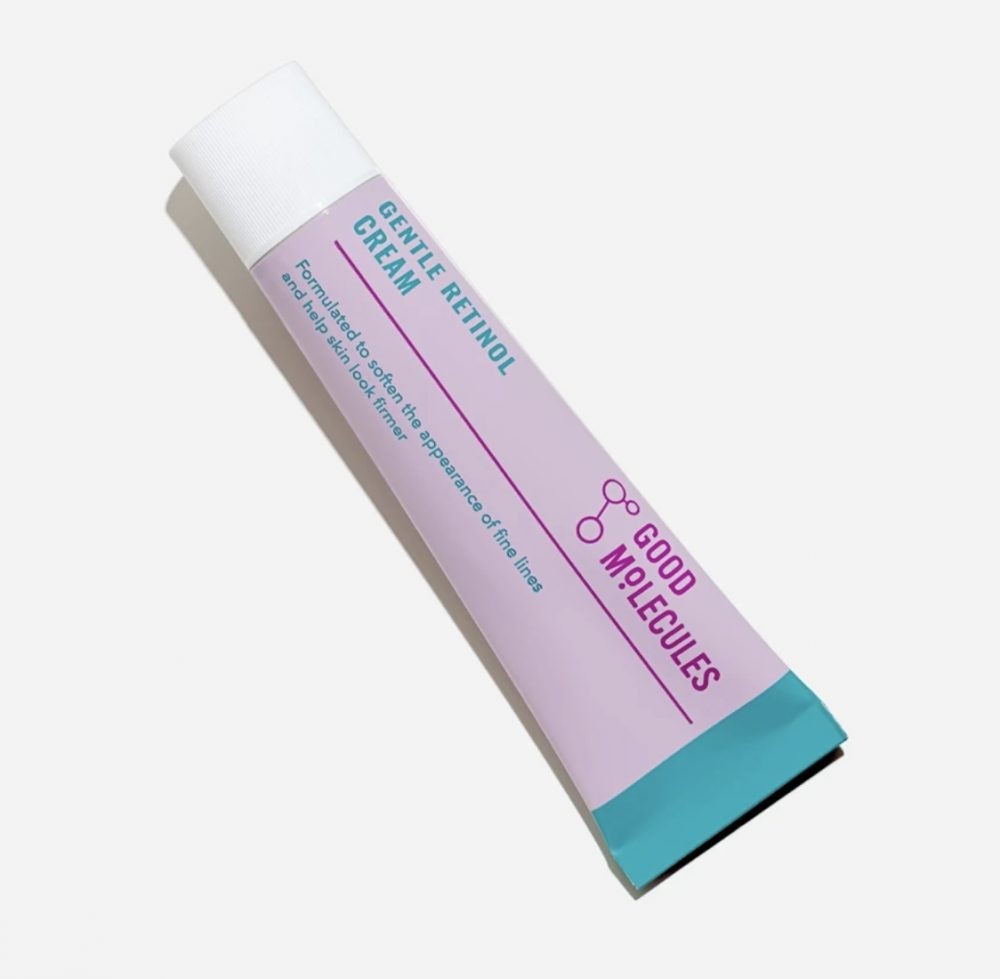
The Good Molecules Gentle Retinol Cream (30g) addresses the primary cause of retinol and skin barrier damage at the product selection level: concentration and formulation. By delivering retinol in a lightweight, hydrating cream format alongside soothing and nourishing ingredients, it minimises the adjustment disruption that makes the early retinol and skin barrier relationship difficult for many skin types.
For anyone beginning their retinol journey or returning after a previous experience of barrier disruption, this product provides the cell renewal and anti-ageing benefits of retinol within a formulation designed to keep the barrier supported during the process. The cream texture provides emollient moisture alongside the active ingredient, reducing the dryness and flaking that is the most visible sign of retinol and skin barrier adjustment.
Pros:
- Gentle retinol formulation minimises the barrier disruption common in the early adjustment period
- Cream format provides emollient hydration alongside active retinol delivery for barrier support
- Appropriate for beginners and sensitive skin managing retinol and skin barrier concerns
- Smooths fine lines and evens tone with a formulation built for tolerability rather than maximum potency
Cons:
- Gentler formulation produces more gradual results than higher-concentration retinol products
- 30g size requires regular repurchasing with consistent nightly use
2. Dr Althea 0.1% Gentle Retinol Serum — Best Retinol and Skin Barrier Serum for Sensitive Skin
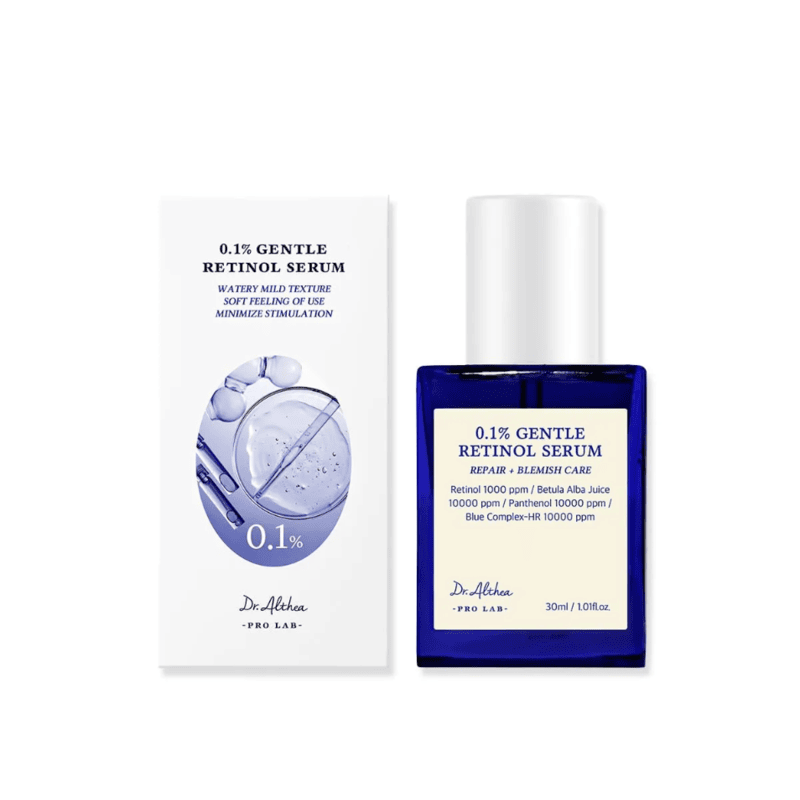
The Dr Althea 0.1% Gentle Retinol Serum takes the most thoughtful approach to the retinol and skin barrier relationship of any serum on this list by pairing pure retinol with bakuchiol, a plant-derived ingredient that mirrors retinol’s anti-ageing activity through a different molecular pathway. Bakuchiol’s anti-inflammatory properties directly counteract the inflammatory response that retinol can trigger during the adjustment period, making the retinol and skin barrier dynamic more manageable for reactive skin types.
At 0.1%, the retinol concentration is the most appropriate starting point for anyone whose primary concern about retinol and skin barrier health is based on a previous experience of significant irritation. The combination of a low starting concentration and bakuchiol’s calming support creates the most barrier-conscious retinol serum available for sensitive skin building tolerance toward more potent formulations.
Pros:
- Retinol and bakuchiol together address anti-ageing through complementary pathways with reduced barrier disruption
- 0.1% concentration is the most appropriate starting point for retinol and skin barrier safety in sensitive skin
- Bakuchiol’s anti-inflammatory properties reduce the reactivity that makes the adjustment period difficult
- Supports consistent nightly use for skin types that have previously failed with standard retinol products
Cons:
- Gentler combination produces more gradual improvement than higher-concentration retinol alternatives
- Skin with high tolerance may want to graduate to a stronger formulation after building consistent tolerance here
3. Some By Mi Retinol Intense Advanced Triple Action Eye Cream — Best Retinol Product for the Delicate Eye Area
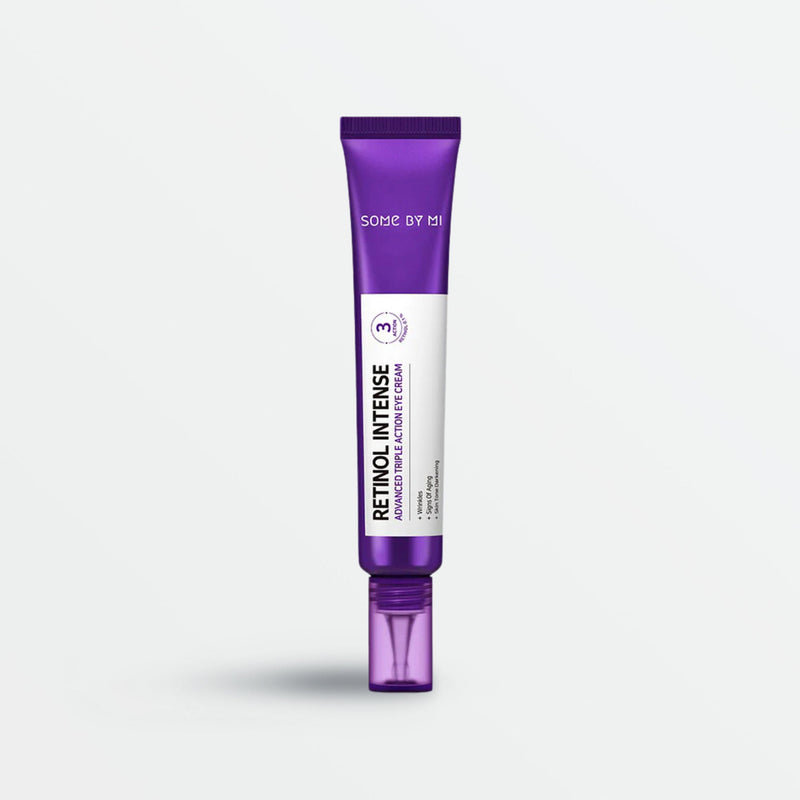
The under-eye area presents the most acute retinol and skin barrier challenge because the skin here is the thinnest on the face, has the fewest oil glands for natural lubrication, and is most susceptible to the barrier disruption that retinol’s cell turnover acceleration causes. Standard face retinols applied around the eyes produce significantly more irritation here than on thicker facial skin.
The Some By Mi Retinol Intense Advanced Triple Action Eye Cream formulates retinol specifically for this zone, combining it with peptides and niacinamide in a concentration appropriate for the orbital area. Peptides support collagen synthesis through a separate, non-irritating mechanism that complements retinol’s activity, while niacinamide strengthens the ceramide barrier content that the thin under-eye skin depends on to tolerate active retinol treatment.
Pros:
- Retinol concentration calibrated for the delicate under-eye skin’s specific retinol and skin barrier tolerance
- Peptides add complementary collagen stimulation through a gentler pathway alongside retinol
- Niacinamide strengthens barrier ceramide content to support retinol tolerance in the eye area
- Addresses fine lines, dark circles, and puffiness simultaneously for efficient under-eye treatment
Cons:
- Eye-area specific formulation should not be applied to the broader face where different concentrations apply
- Structural results from retinol develop over six to eight weeks of consistent nightly use
Products That Protect the Skin Barrier During Retinol Us
4. CeraVe Hydrating Cleanser — Best Cleanser to Support Retinol and Skin Barrier Health
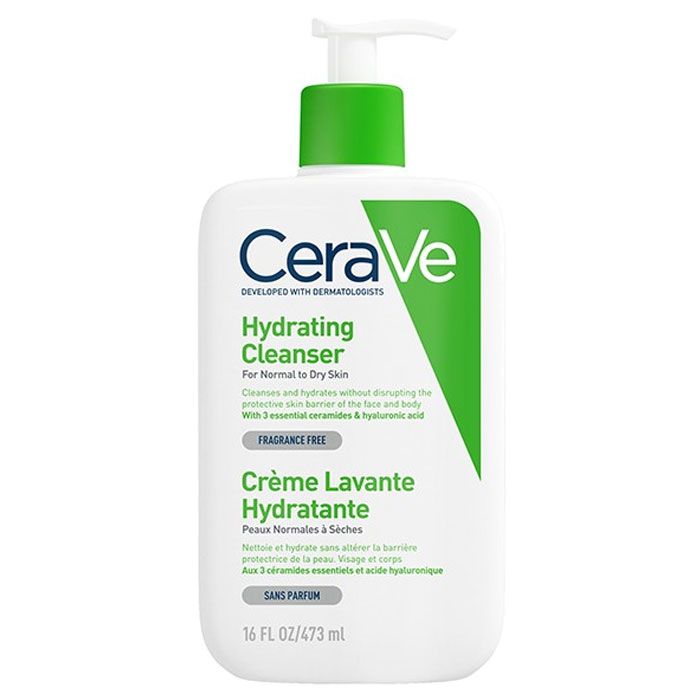
The cleanser used during a retinol routine is the step most likely to either compound or offset the barrier disruption that retinol causes. Harsh, stripping cleansers applied the morning after retinol use remove the natural lipids that are already temporarily depleted by the previous night’s retinol application, creating a compounded disruption that significantly worsens the retinol and skin barrier adjustment experience.
The CeraVe Hydrating Cleanser (16oz) directly protects against this by cleansing gently with ceramides and hyaluronic acid that maintain barrier hydration and lipid content during the cleansing process. Applied the morning after retinol use on skin that is more permeable than usual, it removes surface debris without further depleting the barrier. The fragrance-free formulation removes the contact irritant most likely to provoke a reaction from temporarily sensitised skin.
Pros:
- Ceramides and hyaluronic acid protect barrier integrity during cleansing for retinol and skin barrier safety
- Gentle fragrance-free formula prevents additional irritation on retinol-sensitised skin
- Maintains skin hydration through the cleansing step, directly offsetting retinol’s temporary drying effect
- Suitable for twice-daily use as a consistent supportive measure throughout retinol treatment
Cons:
- Hydrating formula may feel lighter than very dry skin types prefer as a standalone moisturising step
- Requires follow-up with serum and moisturiser to fully address the hydration needs of retinol-using skin
5. Anua Rice 7 Ceramide Hydrating Barrier Serum — Best Barrier Serum for Retinol and Skin Barrier Support
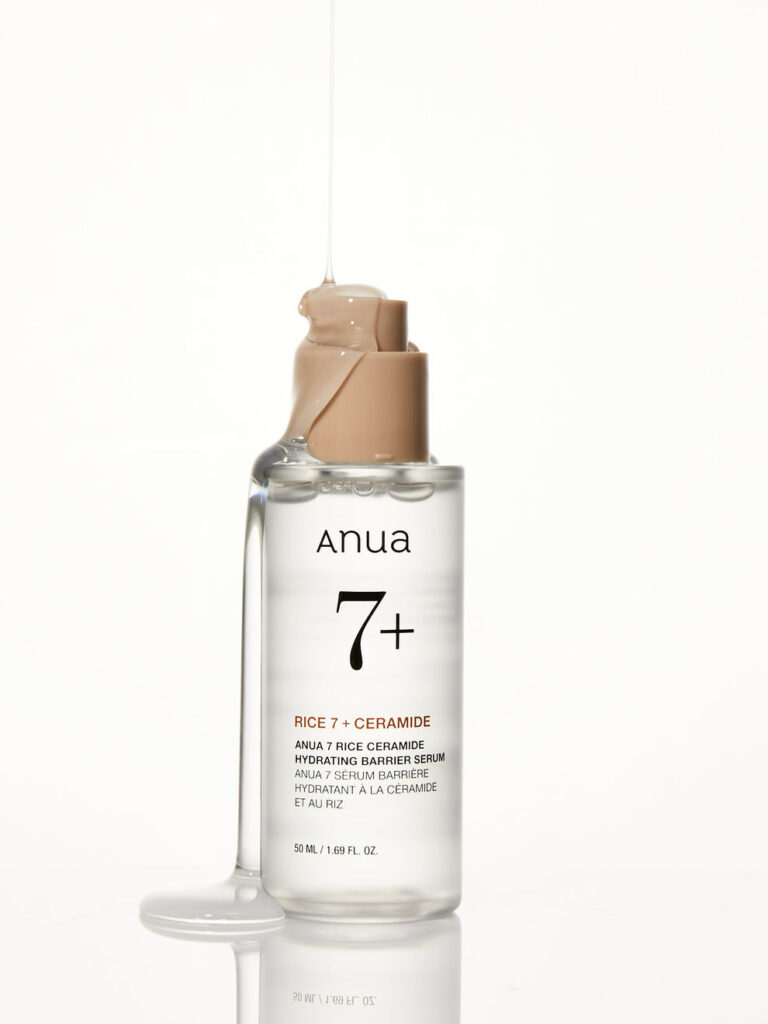
The Anua Rice 7 Ceramide Hydrating Barrier Serum (50ml) is one of the most directly targeted barrier-support products available for use alongside retinol, delivering rice extract and seven ceramide types in a lightweight serum format that penetrates efficiently before the heavier moisturiser step seals everything in.
Seven ceramide types is a meaningful distinction in the retinol and skin barrier context. Different ceramide types address different aspects of barrier construction: ceramides 1, 3, and 6-II are the most studied, but broader ceramide profiles cover more of the barrier lipid composition that retinol’s temporary disruption depletes. Applied as a morning serum after the CeraVe Hydrating Cleanser, this product delivers concentrated barrier-rebuilding activity precisely when the skin’s ceramide content is at its most depleted from the previous night’s retinol application.
Pros:
- Seven ceramide types provide comprehensive barrier lipid replenishment for retinol and skin barrier recovery
- Rice extract adds antioxidant and barrier-supporting benefits alongside ceramide delivery
- Lightweight formula absorbs efficiently and layers well before heavier moisturiser and SPF
- Directly addresses the ceramide depletion that causes the adjustment period sensitivity of retinol use
Cons:
- Primary function is barrier support rather than active treatment, requiring retinol products to be used separately
- Best results come when used consistently every morning alongside regular retinol evening application
6. La Roche-Posay Cicaplast Baume B5 — Best Rescue Treatment for Retinol and Skin Barrier Damage
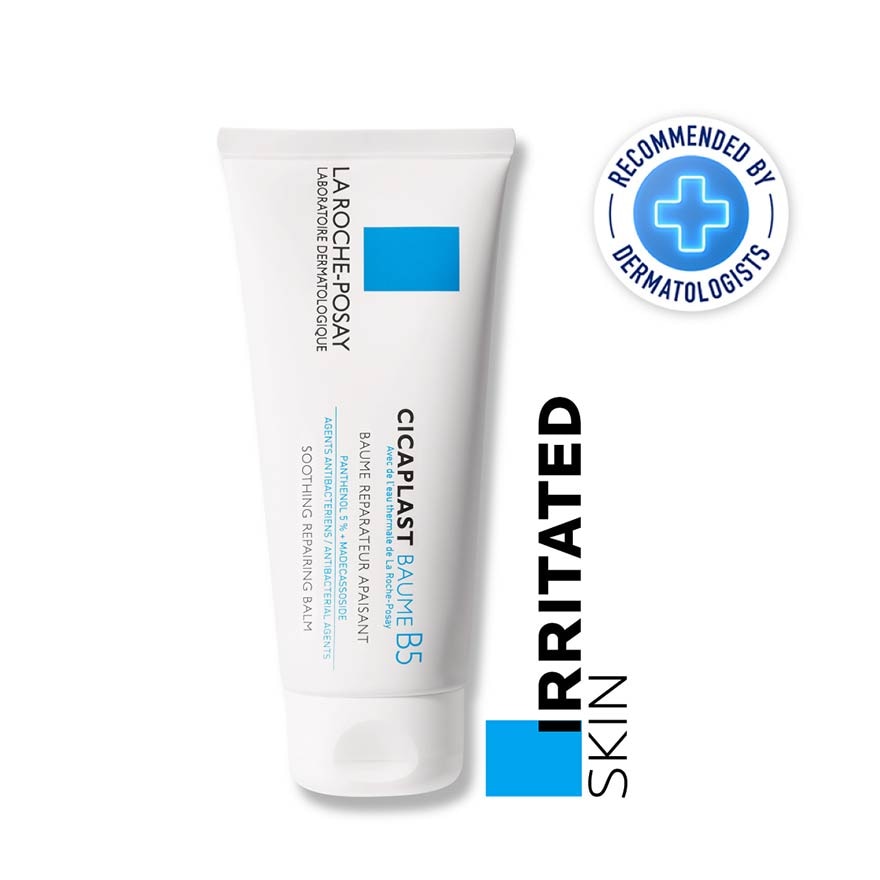
When the retinol and skin barrier relationship has gone beyond the expected adjustment period into genuine barrier damage, the La Roche-Posay Cicaplast Baume B5 is the most appropriate immediate intervention. Formulated with panthenol and shea butter for intensive barrier repair and soothing, it provides the type of deeply protective occlusive treatment that genuinely compromised barrier skin needs to recover before retinol use can safely resume.
Panthenol (Vitamin B5) is one of the most well-researched barrier-repair ingredients available, accelerating the skin’s own repair processes and significantly reducing TEWL from a damaged stratum corneum. Shea butter provides occlusive protection that prevents further moisture loss while the barrier repairs. For anyone whose retinol and skin barrier experience has crossed into persistent redness, burning, or chronic sensitivity, this balm is the pause-and-repair product that restores the foundation before retinol can be reintroduced.
Pros:
- Panthenol and shea butter provide intensive barrier repair for retinol and skin barrier damage recovery
- Occlusive formula stops the TEWL cycle that perpetuates barrier disruption from retinol misuse
- Immediate relief from the redness, tightness, and sensitivity of compromised retinol-damaged skin
- Safe for use on the most sensitive and reactive skin during complete retinol pauses
Cons:
- Rich balm texture is too occlusive for daily use on oily skin as a regular moisturiser
- A recovery product rather than a maintenance product, best reserved for periods of active barrier disruption
7. SKIN1004 Madagascar Centella Ampoule — Best Soothing Serum for Retinol and Skin Barrier Calming
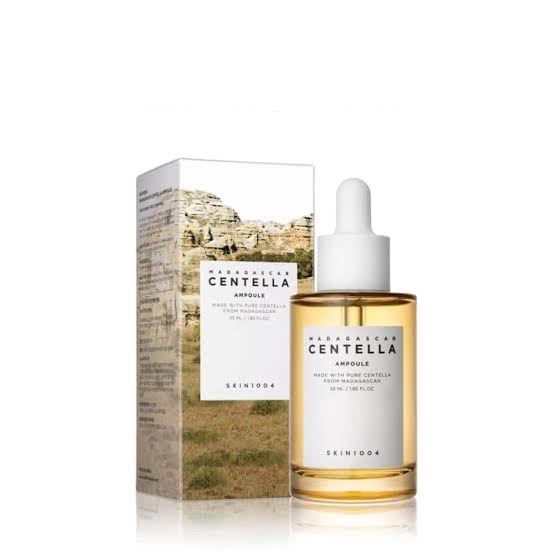
The SKIN1004 Madagascar Centella Ampoule (55ml) addresses the inflammatory component of retinol and skin barrier disruption, which is the specific aspect that most commonly causes people to abandon retinol before results develop. Centella Asiatica extract, concentrated at high levels in this ampoule format, provides anti-inflammatory, wound-healing, and barrier-supporting activity that directly offsets the skin inflammation that retinol triggers during the adjustment period.
Used as an evening serum applied before retinol or as a calming layer applied after retinol on particularly reactive nights, it creates an anti-inflammatory environment that makes the retinol and skin barrier adjustment more tolerable and more sustainable. Centella’s madecassoside and asiaticoside compounds actively promote collagen synthesis and barrier integrity, complementing rather than competing with retinol’s own collagen-stimulating activity.
Pros:
- High Centella Asiatica concentration reduces the inflammatory response that makes retinol use difficult
- Anti-inflammatory and barrier-repairing properties directly support retinol and skin barrier compatibility
- Lightweight ampoule format applies before retinol without interfering with its absorption
- Supports the skin through the adjustment period, making consistent retinol use more achievable
Cons:
- Soothing-focused formula without active brightening or anti-ageing ingredients beyond Centella’s natural benefits
- Works most effectively as part of a routine rather than as a standalone treatment
How to Use Retinol Without Damaging Your Skin Barrier
The correct protocol for protecting retinol and skin barrier health during treatment follows a clear sequence.
Evening routine: Cleanse with CeraVe Hydrating Cleanser. Apply SKIN1004 Centella Ampoule as a calming base layer. Allow absorption. Apply chosen retinol product, Good Molecules Gentle Retinol Cream or Dr Althea 0.1% Retinol Serum. Apply La Roche-Posay Cicaplast Baume B5 or a ceramide moisturiser on top to seal the barrier.
Morning routine: Cleanse with CeraVe Hydrating Cleanser. Apply Anua Rice 7 Ceramide Serum for barrier replenishment. Moisturise. Apply SPF without exception.
Frequency: Begin retinol two evenings per week. After four weeks of no significant irritation, add a third evening. Build to nightly use over three months based on skin response.
At Perona Beauty, all seven products for retinol and skin barrier health featured in this guide are available in store. Visit us at 120 Ogudu Road, Opposite Debonairs Pizza, Ogudu, Lagos, or at 42 Ademolu House, Ita Eko, Abeokuta. Our team will help you build a complete routine that delivers retinol results without compromising your barrier.
Retinol and Skin Barrier Health Are Not Opposing Forces
The most important conclusion to draw about retinol and skin barrier health is that they are not inherently in conflict. The disruption that occurs during the adjustment period is a temporary biological response to accelerated cell turnover, not evidence that retinol is incompatible with a healthy barrier. With the right formulation choice, the correct introduction frequency, and the right supporting products, the retinol and skin barrier relationship produces the outcome that decades of research has consistently demonstrated: thicker, more structurally robust, more collagen-dense, more ceramide-rich skin over time.
The seven products in this guide cover every dimension of this: gentle retinol formulations that minimise adjustment disruption, barrier-protective cleansers and serums that support the barrier during treatment, an intensive rescue balm for genuine disruption, and a soothing ampoule that makes the adjustment period tolerable enough to sustain the consistency that produces results.
Use retinol correctly, support your barrier throughout, and the fear of retinol and skin barrier damage will give way to the confidence that comes from watching what consistent, well-supported retinol treatment actually does to skin over time.
Frequently Asked Questions About Retinol and Skin Barrier
Does retinol permanently damage the skin barrier?
No. Temporary retinol and skin barrier disruption during the adjustment period resolves naturally for most skin types with the right support products and correct application frequency. Long-term prescription retinoid research actually shows increased ceramide production and improved barrier integrity with sustained use. Permanent damage is associated with misuse, specifically too high a starting concentration, too frequent application from the beginning, and inadequate barrier support.
How long does the retinol and skin barrier adjustment period last?
For most skin types using appropriate concentrations with good barrier support, the initial retinol and skin barrier adjustment period lasts two to four weeks. Sensitive skin may experience six to eight weeks of adjustment at the mildest concentrations. If disruption continues beyond eight weeks of twice-weekly application, the concentration should be reduced or retinol should be paused for barrier repair.
Can I use retinol if my skin barrier is already compromised?
Not immediately. Applying retinol to already-compromised skin accelerates barrier disruption significantly. Spend two to four weeks repairing the barrier with ceramide products, La Roche-Posay Cicaplast Baume B5, and fragrance-free supportive products before introducing or reintroducing retinol. A repaired barrier tolerates the retinol and skin barrier adjustment period significantly better than a compromised one.
What is the buffering method for reducing retinol and skin barrier disruption?
Buffering involves applying moisturiser to the skin before applying retinol, which dilutes the active’s contact concentration and slows its absorption, reducing the rate of cell turnover acceleration. It is particularly useful during the first four weeks of retinol and skin barrier introduction for very sensitive skin. Apply the SKIN1004 Centella Ampoule or Anua Rice Ceramide Serum first, allow absorption, then apply retinol on top.