
Azelaic acid or vitamin C for dark spots is one of the most practically useful ingredient comparisons in skincare because both are genuinely effective, both are widely available, and both are frequently recommended for the same skin concerns without any explanation of what makes each one distinctly appropriate. The result is that people pick one or the other based on brand recognition or price, not on which one suits their skin type, dark spot type, and lifestyle requirements.
This guide resolves that confusion. It explains how each ingredient works, which skin types and dark spot types each one serves best, and five products that deliver the most effective results for each side of the azelaic acid or vitamin C for dark spots debate.
Why Dark Spots Are Difficult to Treat
Before choosing between azelaic acid or vitamin C for dark spots, understanding why dark spots form and persist makes the ingredient comparison more meaningful.
Dark spots, also called hyperpigmentation, form when melanocytes, the skin cells responsible for pigment production, are over-stimulated and produce more melanin than the surrounding skin. This overproduction is triggered by UV exposure, inflammation from breakouts or skin injury, hormonal changes in melasma, and chronic skin irritation.
The reason dark spots are difficult to treat is that melanin is a protective substance. The skin produces it in response to perceived threats, particularly UV radiation and inflammation. A spot that was produced by a breakout three months ago will continue to darken if the skin continues to receive unprotected UV exposure, because the melanocytes in that area remain sensitised to stimulation.
This persistence is the context in which the azelaic acid or vitamin C for dark spots decision matters most. Both ingredients address different points in the melanin production process, which is why the right choice depends on which mechanism is most relevant to the type of dark spots and skin concern you are dealing with.
How Vitamin C Works on Dark Spots
Vitamin C, also known as ascorbic acid in its pure form, is one of the most studied brightening ingredients in skincare. Its mechanism for fading dark spots operates through two primary pathways that make it particularly effective for the azelaic acid or vitamin C for dark spots comparison on the side of antioxidant-driven brightening.
First, Vitamin C is a tyrosinase inhibitor. Tyrosinase is the enzyme that catalyses the conversion of the amino acid tyrosine into melanin. By inhibiting this enzyme, Vitamin C reduces the rate of melanin synthesis, progressively lightening existing dark spots as the cells containing excess melanin are naturally shed and replaced with cells containing less pigment.
Second, and crucially, Vitamin C is a powerful antioxidant that neutralises free radicals generated by UV radiation. UV-generated free radicals are one of the primary triggers of melanocyte over-activation, which means Vitamin C applied in the morning actively prevents the UV-driven pigmentation formation that would otherwise counteract any fading being achieved by other actives.
This dual function of treating existing dark spots and preventing new UV-driven formation makes Vitamin C uniquely suited for morning use in the azelaic acid or vitamin C for dark spots framework.
How Azelaic Acid Works on Dark Spots
Azelaic acid addresses dark spots through a different mechanism, which is why its position in the azelaic acid or vitamin C for dark spots comparison depends on the specific type and origin of the hyperpigmentation being treated.
Azelaic acid also inhibits tyrosinase, but through a more specific and targeted mechanism than Vitamin C. While Vitamin C broadly inhibits tyrosinase activity, azelaic acid selectively targets the hyperactive melanocytes that are abnormally producing excess melanin, leaving normally functioning melanocytes less affected. This selective action is why azelaic acid is particularly effective for post-inflammatory hyperpigmentation, the dark marks left by breakouts or skin irritation, and for melasma, where specific melanocyte populations are over-activated rather than the entire skin surface.
Additionally, azelaic acid has documented anti-inflammatory properties that address the inflammatory signals that trigger post-inflammatory hyperpigmentation formation. This means that in the azelaic acid or vitamin C for dark spots comparison for inflammation-driven dark marks, azelaic acid is addressing both the cause of the dark spots, ongoing inflammation, and the existing pigmentation simultaneously.
Azelaic Acid or Vitamin C for Dark Spots: Which Wins for Which Skin Type?
Neither ingredient universally wins the azelaic acid or vitamin C for dark spots debate because each has specific advantages that correspond to specific skin types and dark spot origins.
Vitamin C wins for:
- Sun-induced dark spots and general UV-driven dullness
- Morning routines where antioxidant protection against UV is a simultaneous goal
- Skin that is not particularly sensitive and can tolerate an acidic active
- Brightening as a primary goal alongside anti-ageing concerns, since Vitamin C also stimulates collagen
Azelaic acid wins for:
- Post-inflammatory hyperpigmentation from breakouts or skin irritation
- Melasma and hormonally driven pigmentation
- Sensitive, reactive, or rosacea-prone skin that cannot tolerate Vitamin C’s acidity
- Melanin-rich skin where Vitamin C’s oxidative instability can cause discolouration if the formula is not carefully stabilised
- Acne-prone skin where the antibacterial and anti-inflammatory properties address the root cause of the dark spot formation simultaneously
The most sophisticated answer in the azelaic acid or vitamin C for dark spots comparison is to use both in a split routine: Vitamin C in the morning for UV-driven prevention and antioxidant protection, azelaic acid in the evening for selective melanocyte targeting and anti-inflammatory action. This approach addresses the hyperpigmentation from multiple angles and is more comprehensive than either ingredient used alone.
7 Key Differences Between Azelaic Acid and Vitamin C for Dark Spots
- Mechanism specificity. Vitamin C inhibits tyrosinase broadly. Azelaic acid selectively targets hyperactive melanocytes. In the azelaic acid or vitamin C for dark spots comparison, azelaic acid is more targeted for inflammatory pigmentation.
- UV protection. Vitamin C’s antioxidant function provides meaningful photoprotective support against UV-driven free radical damage. Azelaic acid does not.
- Inflammatory action. Azelaic acid reduces the inflammation that causes post-inflammatory dark spots to form. Vitamin C does not directly address inflammation.
- Sensitivity tolerance. Azelaic acid is significantly gentler than Vitamin C for sensitive and reactive skin types, making it the safer choice in the azelaic acid or vitamin C for dark spots comparison for compromised or reactive skin.
- Formula stability. Pure Vitamin C (ascorbic acid) is one of the most unstable skincare actives, degrading quickly in the presence of heat, light, and air. Azelaic acid is significantly more stable, making it more forgiving of storage conditions.
- Collagen stimulation. Vitamin C stimulates collagen synthesis alongside its brightening action. Azelaic acid does not have the same documented collagen benefit.
- Pregnancy safety. Azelaic acid is considered safe during pregnancy. Vitamin C at normal topical concentrations is also generally regarded as safe, but azelaic acid has more explicit clinical documentation for pregnancy safety, making it the more clearly recommended side of the azelaic acid or vitamin C for dark spots decision during this period.
The 6 Best Products for Azelaic Acid or Vitamin C for Dark Spots
Vitamin C Products
1. Dang Vitamin C Concentrated Serum — Best Vitamin C Serum for Dark Spots
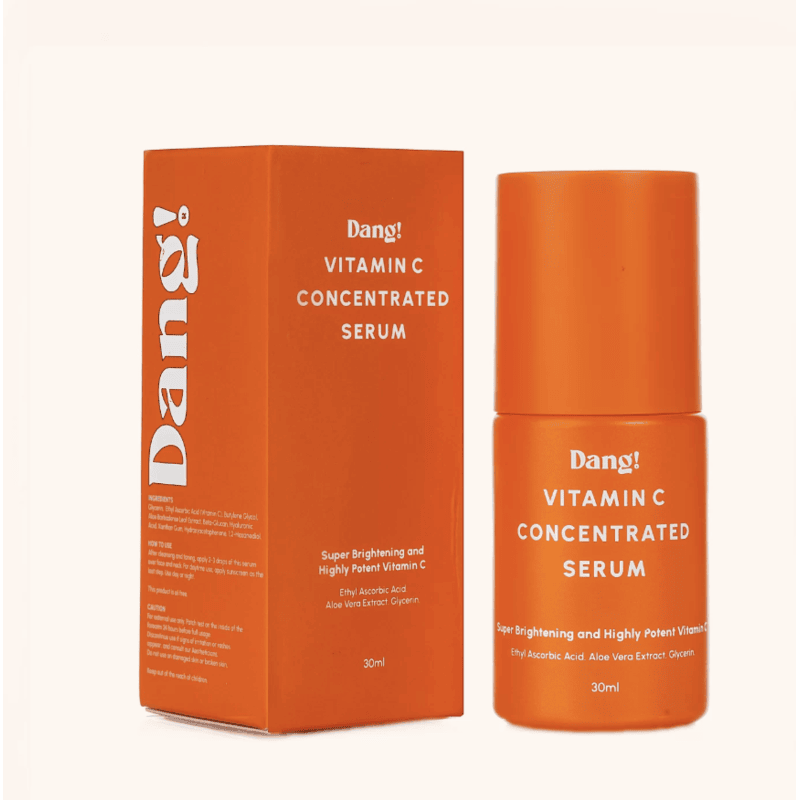
The Dang Vitamin C Concentrated Serum is a brightening facial serum formulated specifically for the dark spot and uneven tone concerns that the azelaic acid or vitamin C for dark spots decision centres on. Enriched with Vitamin C and antioxidant-supporting ingredients, it targets the UV-driven dullness and surface pigmentation that respond most predictably to Vitamin C’s tyrosinase inhibition and free radical neutralisation.
Applied in the morning before SPF, it positions Vitamin C at the optimal time in the routine: directly before sun exposure, when its antioxidant function is most relevant. For skin in Nigeria’s high-UV environment, morning Vitamin C use addresses both the existing dark spots and the daily UV-driven formation of new ones, which is the combined benefit that makes Vitamin C uniquely powerful in the morning half of any azelaic acid or vitamin C for dark spots strategy.
Pros:
- Vitamin C and antioxidant complex target UV-driven dark spots and dullness effectively for morning use
- Oil-free formula suits oily and combination skin types for daily use in warm, humid conditions
- Addresses dark spots, uneven tone, and overall radiance in a single morning serum step
- Practical for Nigeria’s daily high-UV conditions where morning antioxidant protection matters significantly
Cons:
- Concentrated Vitamin C formulas require proper storage away from heat and direct light to prevent oxidation
- May cause initial tingling in sensitised skin during the first one to two weeks of use
2. Balance Active Formula 5% Vitamin C Brightening Serum — Best Stabilised Vitamin C for Sensitive Skin
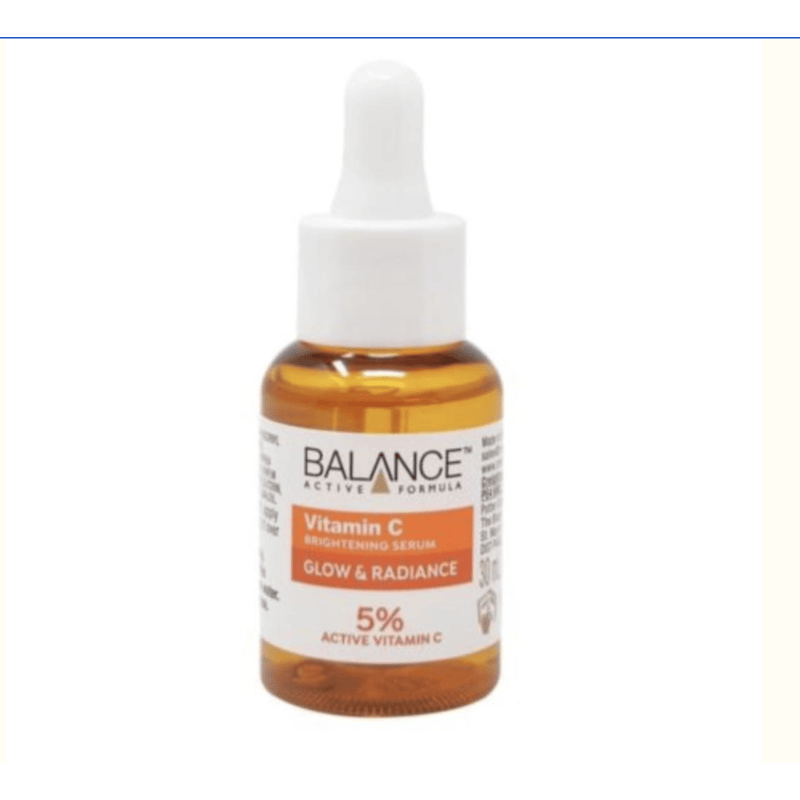
One of the primary practical challenges in the azelaic acid or vitamin C for dark spots decision for sensitive skin is that pure ascorbic acid Vitamin C serums are acidic and can irritate reactive skin. The Balance Active Formula 5% Vitamin C Brightening Serum resolves this by formulating with a blend of three stabilised Vitamin C derivatives: Ascorbyl Glucoside, Sodium Ascorbyl Phosphate, and a broader 5% stabilised complex alongside Vitamin E and Olive Leaf Extract.
Stabilised Vitamin C derivatives are less acidic and significantly more stable than pure ascorbic acid, making them appropriate for skin types that would otherwise land on the azelaic acid side of the azelaic acid or vitamin C for dark spots decision due to Vitamin C intolerance. The 60ml size provides excellent value for a daily-use brightening serum, and the fast-absorbing, non-greasy formula suits all skin types including combination and oily.
Pros:
- Three stabilised Vitamin C derivatives deliver brightening benefits with significantly less irritation than pure ascorbic acid
- Vitamin E and Olive Leaf Extract provide complementary antioxidant support alongside the Vitamin C complex
- 60ml size offers substantial daily-use value for a brightening serum
- Suitable for all skin types including those that find pure Vitamin C too irritating
Cons:
- Stabilised Vitamin C derivatives are less potent than pure ascorbic acid for faster visible results
- 5% total concentration produces more gradual brightening than higher-percentage formulations
3. OOTD Dark Spot Vitamin C Serum — Best Accessible Daily Vitamin C for Dark Spots
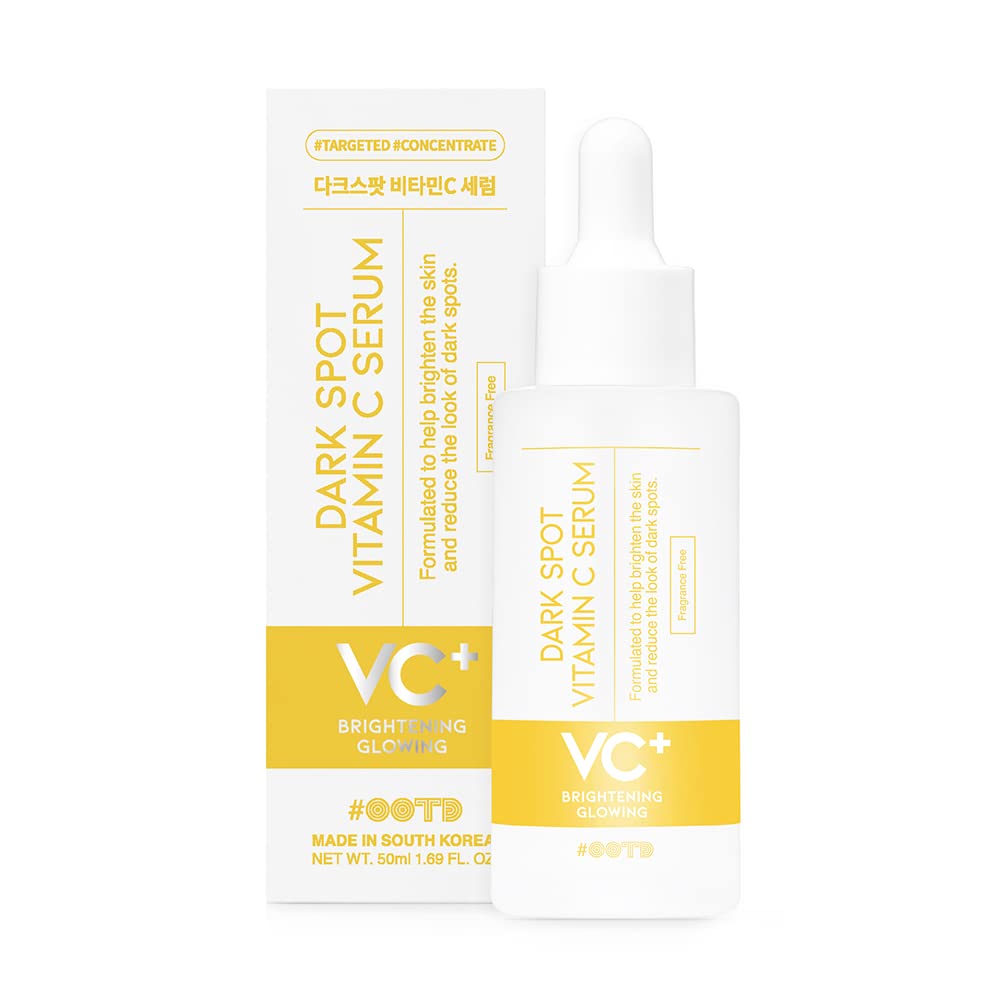
The OOTD Dark Spot Vitamin C Serum provides an accessible entry point for the Vitamin C side of the azelaic acid or vitamin C for dark spots decision for anyone building their first active brightening routine. Formulated with Vitamin C for dark spot fading, tone improvement, and radiance enhancement, it addresses the core concerns that drive people toward Vitamin C in the first place.
For skin in Nigeria dealing with the accumulated UV exposure that creates uneven tone and surface dullness, a consistent daily Vitamin C serum applied in the morning provides the antioxidant protection and tyrosinase inhibition that gradually improves skin clarity over four to eight weeks of use. The accessible formulation makes it a practical starting point for azelaic acid or vitamin C for dark spots decision-making before committing to premium formulations.
Pros:
- Vitamin C targets dark spots and uneven tone with the core brightening mechanism Vitamin C is known for
- Accessible formulation makes daily Vitamin C routine-building practical for Nigerian consumers
- Enhances skin clarity and radiance alongside targeted dark spot treatment
- Suitable for daily morning use as the antioxidant and brightening step before SPF
Cons:
- Formulation detail on Vitamin C type and percentage is limited, making efficacy prediction more difficult
- Best suited as a starting product while evaluating Vitamin C before investing in more concentrated alternatives
Azelaic Acid Products
4. Medicube Azelaic Acid 16 BB Soothing Serum — Best for Blemish-Prone Skin With Dark Spots
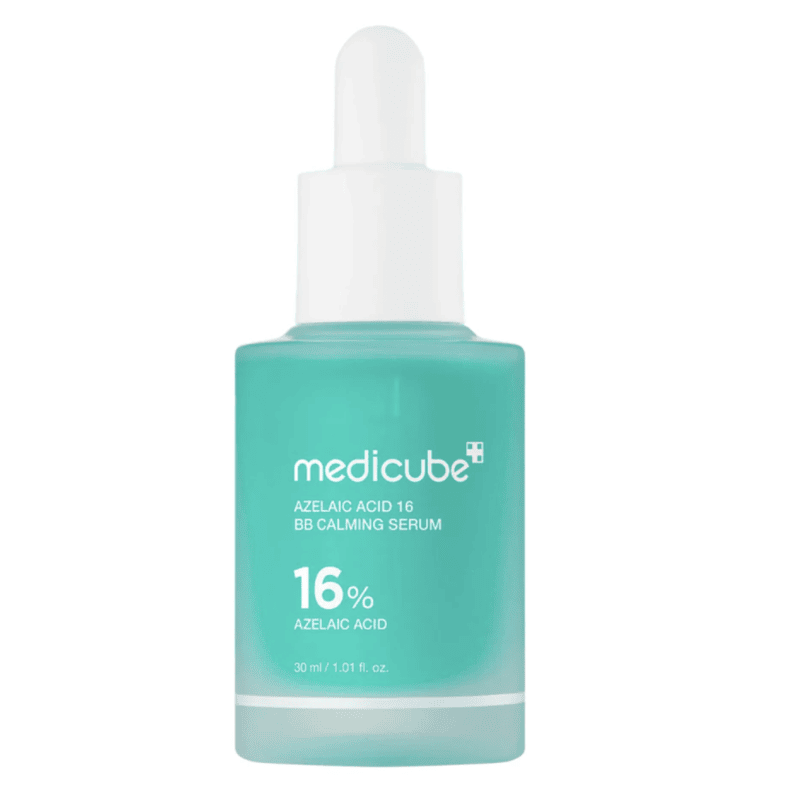
The Medicube Azelaic Acid 16 BB Soothing Serum brings together azelaic acid’s targeted melanocyte inhibition and anti-inflammatory properties in a lightweight serum specifically formulated for blemish-prone skin. In the azelaic acid or vitamin C for dark spots decision for skin where dark spots are produced by breakouts rather than UV exposure, this is one of the most precisely targeted formulations available.
The BB designation reflects its blemish-balancing focus, addressing the inflammation that causes post-breakout marks to form alongside the existing pigmentation those marks produce. For skin that is simultaneously dealing with active breakouts and the dark spots left by previous ones, azelaic acid’s dual action on the current inflammation and the existing pigmentation makes it the more appropriate choice in the azelaic acid or vitamin C for dark spots comparison than Vitamin C, which addresses the pigmentation but not the inflammatory cause.
Pros:
- Azelaic acid targets both the inflammation causing new post-breakout dark spots and the existing hyperpigmentation
- Lightweight formula suitable for daily use on blemish-prone and combination skin
- Improves redness and uneven tone alongside dark spot fading for comprehensive blemish-prone skin management
- Soothing formula reduces the irritation that often accompanies dark spot-producing breakouts
Cons:
- 30ml size requires regular repurchasing for consistent twice-daily use
- More focused on blemish and redness than broad UV-driven pigmentation that Vitamin C addresses more directly
5. Anua Azelaic 10 Hyaluronic Acid Redness Soothing Pad — Best Azelaic Acid Format for Beginners
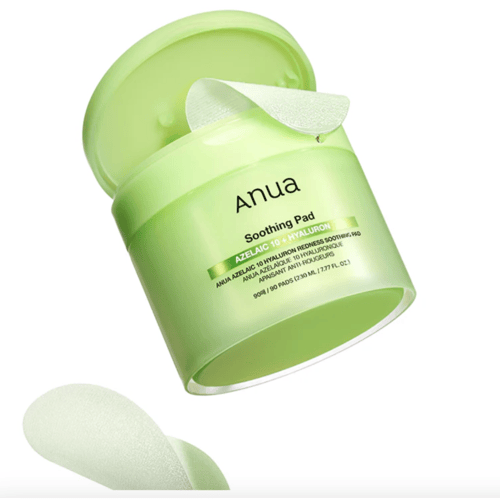
The Anua Azelaic 10 Hyaluronic Acid Redness Soothing Pad is one of the most distinctive products in the azelaic acid or vitamin C for dark spots category because it delivers azelaic acid in a pad format that doubles as a toner or a mini sheet mask depending on the skin’s needs on a given day. For beginners to azelaic acid who want a gentle, multi-use introduction to the ingredient, this format removes the application complexity that traditional serums require.
The 7-Cica Complex, Ceramide NP, Panthenol, and Bisabolol in the formula provide comprehensive barrier support alongside the azelaic acid treatment, making this the most barrier-conscious delivery of azelaic acid on this list. For skin dealing with azelaic acid or vitamin C for dark spots in the context of a compromised or sensitive barrier, this product addresses both the dark spot concern and the barrier repair need simultaneously.
Pros:
- Dual-use pad format works as a toner or mini sheet mask for flexible azelaic acid application
- 7-Cica Complex and barrier ingredients support skin barrier repair alongside azelaic acid treatment
- Hyaluronic acid, ceramide, panthenol, and bisabolol provide comprehensive hydration and calming support
- Ideal for sensitive, acne-prone, and redness-prone skin needing gentle azelaic acid dark spot treatment
Cons:
- Pad format provides less controlled product quantity than traditional serum application
- Multi-ingredient formula makes it harder to isolate azelaic acid’s specific contribution to results
6. Revox B77 Just Azelaic Acid 10% — Best Clean Azelaic Acid Serum for Clear Results
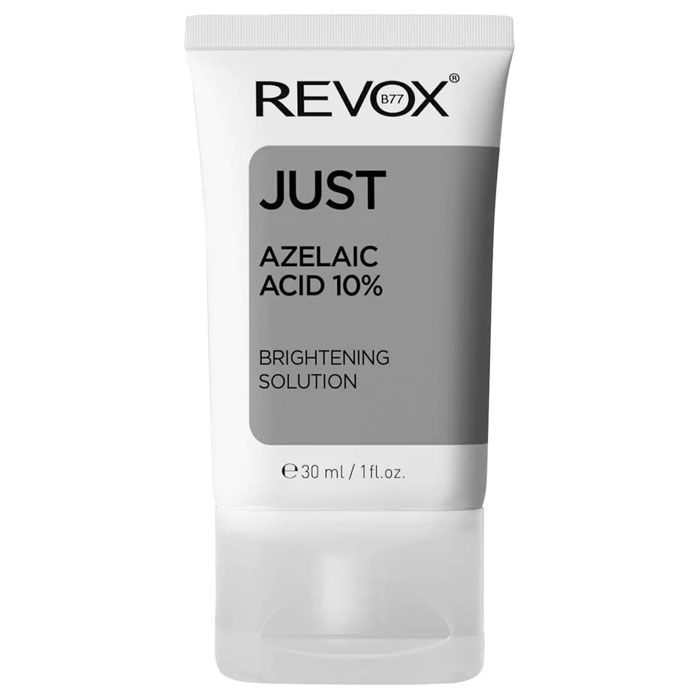
The Revox B77 Just Azelaic Acid 10% is the most focused azelaic acid formulation in the azelaic acid or vitamin C for dark spots comparison, delivering the active at 10% in a minimal serum base that allows the ingredient’s specific contributions to dark spot fading, redness reduction, and texture refinement to be observed without the variable of multiple supporting actives.
For anyone who has already tried Vitamin C and wants to evaluate azelaic acid’s specific effect on their dark spots, or for skin that reacts to Vitamin C and needs a clean alternative, this serum provides the clearest possible assessment of what the azelaic acid side of the azelaic acid or vitamin C for dark spots decision delivers. Morning or evening use is equally appropriate, and the formula layers without conflict under most moisturisers and SPF products.
Pros:
- Single-ingredient 10% azelaic acid allows clear evaluation of the ingredient’s specific dark spot contribution
- Reduces redness, refines texture, and fades hyperpigmentation through core azelaic acid mechanisms
- Morning or evening application appropriate due to azelaic acid’s low photosensitivity profile
- Minimal formula layers without conflict under any other routine product
Cons:
- No supporting actives for hydration or complementary brightening within the formula itself
- Best suited to those who want to evaluate azelaic acid specifically rather than those needing multi-active treatment
Using Azelaic Acid and Vitamin C Together for Dark Spots
For anyone whose skin tolerates both ingredients, combining them in a split morning and evening routine is the most comprehensive approach to the azelaic acid or vitamin C for dark spots question. Vitamin C in the morning provides antioxidant protection against UV-driven free radical formation and addresses surface pigmentation. Azelaic acid in the evening selectively targets hyperactive melanocytes, reduces inflammation, and addresses the post-inflammatory dimension of dark spot formation.
Used together this way, they cover both the prevention of new dark spots, through Vitamin C’s UV-protective antioxidant function, and the treatment of existing spots, through both ingredients’ tyrosinase inhibition working from different application windows.
The one practical note for combining azelaic acid or vitamin C for dark spots in the same routine is to apply them at separate times of day rather than in the same step. Both are acidic and layering them simultaneously increases the risk of irritation without additional brightening benefit.
At Perona Beauty, all six products in this azelaic acid or vitamin C for dark spots guide are available in store. Visit us at 120 Ogudu Road, Opposite Debonairs Pizza, Ogudu, Lagos, or at 42 Ademolu House, Ita Eko, Abeokuta. Our team will help you identify which side of the azelaic acid or vitamin C for dark spots comparison suits your skin type and dark spot origin.
The Right Ingredient Depends on the Right Dark Spot
The azelaic acid or vitamin C for dark spots question does not have one universal answer, and that is the point. Vitamin C excels for UV-driven pigmentation, morning antioxidant protection, and collagen-supporting brightening. Azelaic acid excels for post-inflammatory marks, sensitive skin, melasma, and acne-prone skin where the source of dark spots is inflammation rather than sun exposure.
Most people dealing with dark spots in Nigeria are dealing with both UV accumulation and post-inflammatory marks simultaneously, which makes the split routine, Vitamin C in the morning, azelaic acid in the evening, the most complete resolution to the azelaic acid or vitamin C for dark spots decision. Start with whichever single ingredient best matches your primary dark spot type, and build toward both once your skin has demonstrated tolerance for each.
Frequently Asked Questions About Azelaic Acid or Vitamin C for Dark Spots
Which is better for post-acne dark marks, azelaic acid or Vitamin C?
Azelaic acid is generally the stronger choice for post-inflammatory hyperpigmentation from acne because it addresses both the inflammation driving continued mark formation and the existing melanin overproduction. In the azelaic acid or vitamin C for dark spots comparison for post-breakout marks specifically, azelaic acid’s selective anti-inflammatory mechanism gives it the advantage over Vitamin C’s broader tyrosinase inhibition.
Which is more suitable for Nigerian skin tones?
Both can be used on melanin-rich skin, but azelaic acid carries fewer stability and application risks for deeper skin tones. Pure ascorbic acid Vitamin C can oxidise and produce yellow or orange discolouration on the skin if the formula is not properly stabilised, which is more visible on melanin-rich skin. Stabilised Vitamin C derivatives reduce this risk. In the azelaic acid or vitamin C for dark spots comparison for melanin-rich Nigerian skin, azelaic acid is the more straightforward choice, while stabilised Vitamin C formulas like the Balance Active 5% represent the safer Vitamin C option.
How long does each take to show results on dark spots?
Both require consistent daily use for four to twelve weeks before meaningful visible fading of dark spots. Vitamin C tends to show brightness and overall radiance improvements within the first two to four weeks, with spot fading following over eight to twelve weeks. Azelaic acid typically shows redness and active blemish improvement within four to six weeks and dark spot fading over eight to twelve weeks. Neither side of the azelaic acid or vitamin C for dark spots comparison produces overnight results.
Can I use both azelaic acid and Vitamin C in the same routine?
Yes, but not in the same application step. Use Vitamin C in the morning and azelaic acid in the evening for the most comprehensive azelaic acid or vitamin C for dark spots approach that addresses UV prevention, surface pigmentation, inflammatory triggers, and selective melanocyte targeting across two complementary windows.