
Buying the wrong active is an expensive mistake, and with azelaic acid and retinol it happens all the time. Both promise clearer, smoother skin, so they end up side by side in your cart without a clear reason for either. The reason is easy to find, and it starts with how each one works.
Once you understand the difference between azelaic acid and retinol, choosing between them stops feeling like guesswork. They are not two versions of the same thing. They fix skin problems through completely different routes, so one can be perfect for you while the other is not what your skin is asking for. Let’s walk through it together, and then we will show you six products to start with.
Two Pathways, One Goal
Here is the big idea. The difference between azelaic acid and retinol comes down to this: azelaic acid calms and blocks, while retinol speeds up and renews.
Azelaic acid is a calming anti-inflammatory and an enzyme blocker. It selectively targets overactive pigment cells and troublesome bacteria, and it leaves the rest of your skin alone. That is why it is so good for redness, rosacea and the dark marks left behind by breakouts.
Retinol is a Vitamin A derivative that speeds up cellular turnover. It tells your skin to shed old cells quickly and make fresh ones, which makes it a powerhouse for deep texture smoothing, anti-ageing and clearing deeply clogged pores.
Think of it this way. Azelaic acid is the friend who turns down the volume on whatever is misbehaving. Retinol is the personal trainer who pushes your skin to work harder. Both are brilliant. They simply have different jobs.
How Azelaic Acid Works on Your Skin
Let’s explain what is happening on your face when you use azelaic acid, because it makes the difference between azelaic acid and retinol much easier to picture.
It blocks the pigment enzyme. Azelaic acid switches off tyrosinase, the enzyme that makes melanin, but only in the overactive cells. So your dark marks fade while the rest of your skin tone stays natural. This is why it is so safe for melanin-rich skin.
It deals with acne bacteria. It interferes with the bacteria that cause inflamed breakouts, without the resistance problems that come with antibiotic creams.
It calms redness. It quietens the inflammatory signals behind rosacea and that flushed, reactive look.
It tidies up your pores. It reduces the keratin build-up that blocks pores, in a much gentler way than salicylic acid.
The key point is that azelaic acid changes what specific processes are doing. It does not change how fast your skin turns over.
How Retinol Works on Your Skin
Retinol is the opposite kind of ingredient. Your skin converts it into retinoic acid, which switches on genes inside your skin cells. That is a deeper kind of change, and it explains the other half of the difference between azelaic acid and retinol.
Three things happen. Old, dull and pigmented surface cells shed faster, so fresher skin shows up sooner. Your fibroblasts make more collagen and elastin, which firms the skin and softens fine lines over time. And the cells lining your pores behave normally again, so deep congestion clears and blackheads become less frequent.
Retinol is not subtle. It transforms. That is why it takes eight to twelve weeks to show its best work, and why it asks for a little more patience from your skin at the start.
So Who Should Choose What?
Let me make this practical. Read both lists and see which one sounds like you.
Reach for azelaic acid if you have:
- Redness, rosacea or a flushed, reactive face
- Dark marks left by pimples
- Active breakouts and inflamed spots
- Sensitive skin that dislikes strong actives
- Melanin-rich skin and want safer brightening
- Pregnancy, when retinol is not an option
Reach for retinol if you have:
- Fine lines and wrinkles
- Rough, uneven texture
- Dull skin that needs a full refresh
- Deep, stubborn pore congestion
- Early signs of ageing you want to get ahead of
The difference between azelaic acid and retinol is not about which is stronger. It is about which one matches what your skin is actually doing.
Can You Use Both?
Yes, and others do to. Because of the difference between azelaic acid and retinol, they do not compete. They cover different ground, so together they achieve more than either one alone.
The easiest way is a morning and evening split. Use azelaic acid in the morning, because it barely increases sun sensitivity, and follow it with SPF. Use retinol in the evening, because it should never be worn in daylight. This split also solves the timing problem, because you are not putting two evening-only actives on your face in one night. If your skin is sensitive, start with azelaic acid first, let your face settle for a month, and then bring retinol in slowly.
10 Key Points in the Difference Between Azelaic Acid and Retinol
Here is the quick-reference list you can screenshot.
- Mechanism: Azelaic acid blocks enzymes and calms inflammation. Retinol switches on genes that speed up cell turnover.
- Speed: Azelaic acid quickly targets inflammation and breakouts, while retinol plays the long game by gradually rebuilding skin from the inside out.
- Sun sensitivity: Azelaic acid barely increases it. Retinol is evening-only and needs SPF every morning.
- Tolerance: Azelaic acid is gentle from day one. Retinol needs a slow introduction.
- Pregnancy: Azelaic acid is considered safe. Retinol is not.
- Dark marks: Azelaic acid stops melanin being made. Retinol sheds cells that already hold it.
- Anti-ageing: Azelaic acid does very little. Retinol is the gold standard.
- Pores: Azelaic acid gently reduces surface build-up. Retinol corrects deep follicle behaviour.
- Redness: Azelaic acid is excellent for it. Retinol has no anti-redness action.
- Best for: Sensitive, redness-prone and breakout-prone skin points to azelaic acid. Ageing, texture and deep pores point to retinol. That is the whole difference between azelaic acid and retinol in one line.
6 Products to Start With
Here are three azelaic acid products and three retinol products, so you can pick based on the side of the difference between azelaic acid and retinol that matches your skin.
The Azelaic Acid Side
1. Medicube Azelaic Acid 16 BB Soothing Serum: For Blemish-Prone Skin
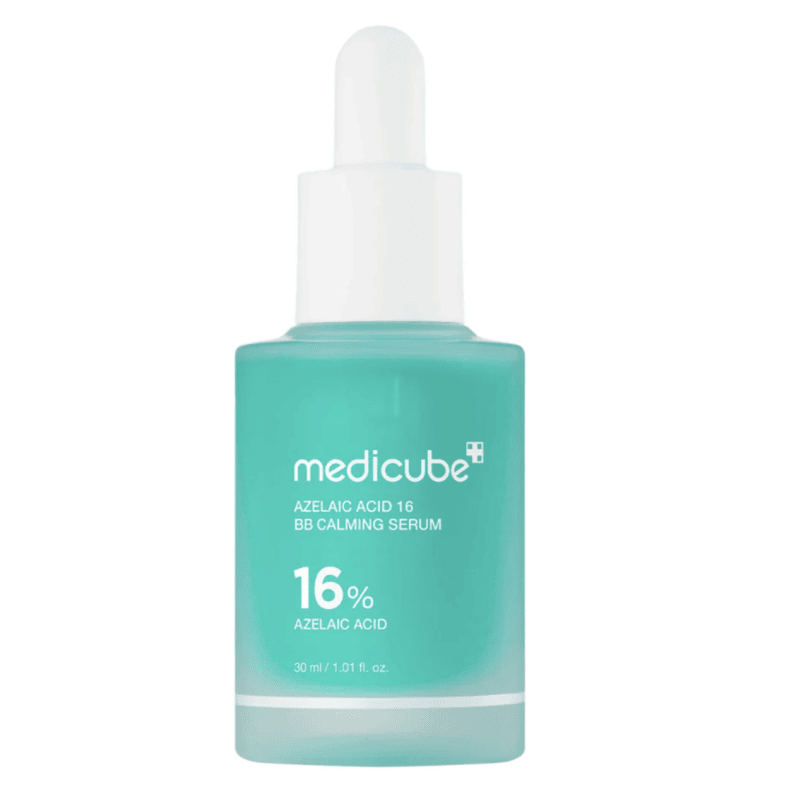
This 30ml serum is made for skin that breaks out and then keeps the marks. It soothes blemishes while easing redness, dark spots and uneven tone, in a light texture that is easy to use morning or night. If your main frustration is the aftermath of pimples, this is where I would start.
Pros:
- Soothes blemish-prone skin while improving redness and dark spots
- Lightweight formula suits morning or evening use
- Helps even out tone for a clearer-looking complexion
- No exfoliation shock, so it suits reactive skin
Cons:
- Does not tackle wrinkles or deep texture
- Dark spots take around eight to twelve weeks to fade
2. Anua Azelaic Acid 10% + Hyaluron Redness Soothing Serum: For Sensitive, Flushed Skin
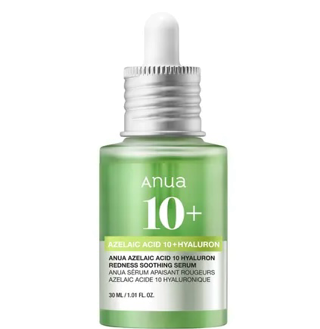
If your face goes red at the slightest trigger, this one is your friend. It pairs 10% azelaic acid with hyaluronic acid, so you get calming and hydration together. This is a perfect example of the difference between azelaic acid and retinol in real life, because it soothes where retinol would stir things up.
Pros:
- 10% azelaic acid helps calm redness and blemishes
- Hyaluronic acid keeps skin comfortable and hydrated
- Supports a smoother, more balanced-looking complexion
- Gentle enough for sensitive skin
Cons:
- Focuses on calming rather than anti-ageing
- The 30ml bottle needs replacing fairly often with daily use
3. Naturium Azelaic Topical Acid 10%: For Multiple Concerns at Once
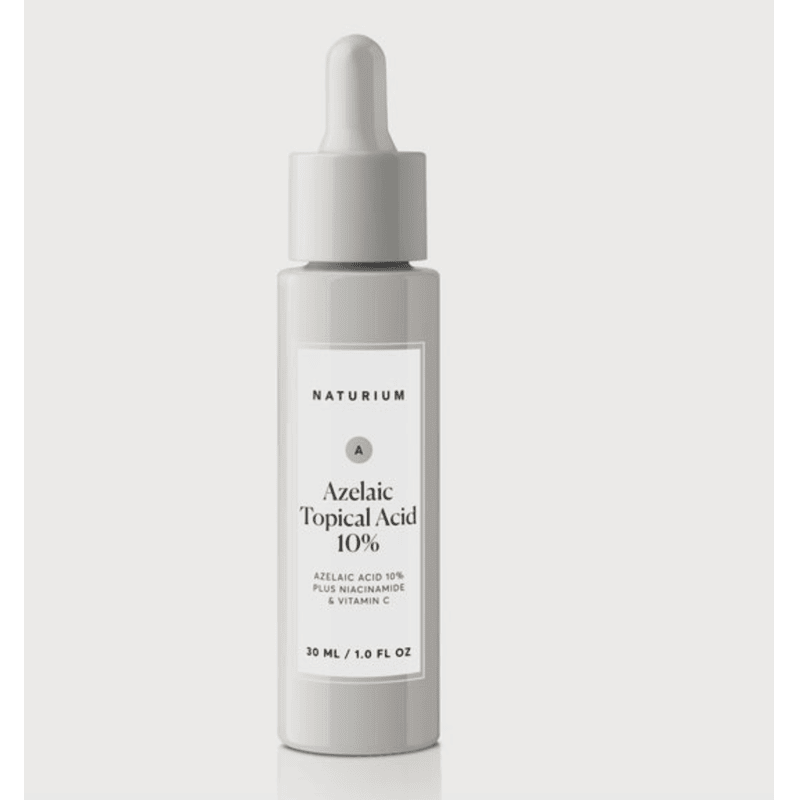
This 30ml serum combines a glycinated azelaic acid complex with niacinamide and vitamin C. That means it can tackle dark spots, redness, oiliness and texture in one step. It is ideal if you want one bottle to do several jobs without bringing retinol into the picture yet.
Pros:
- Glycinated azelaic acid with niacinamide and vitamin C works on several concerns
- Helps with dark spots, redness and excess oil
- Suits acne-prone and sensitive skin
- Light texture layers well in Nigeria’s heat
Cons:
- Several actives in one bottle can tingle on very reactive skin at first
- Does not replace retinol for anti-ageing
The Retinol Side
4. Dr Althea 0.1% Gentle Retinol Serum: The Beginner’s Retinol
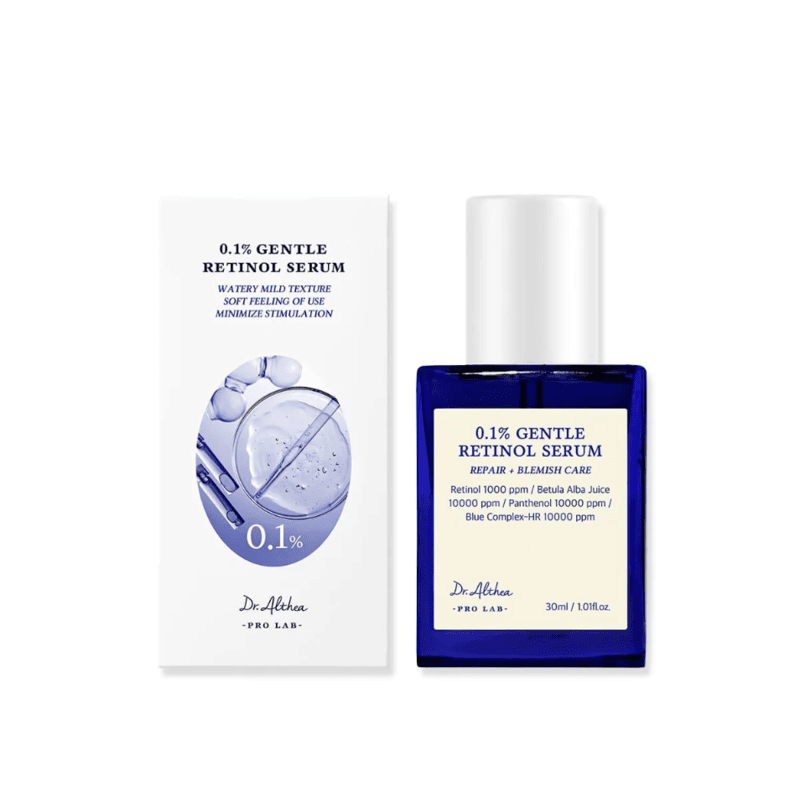
If retinol sounds scary, start here. It combines 0.1% retinol with bakuchiol, a plant ingredient that mimics retinol’s benefits while calming irritation. It is the gentlest bridge from the calming side of the difference between azelaic acid and retinol to the renewing side.
Pros:
- Low-strength retinol with calming bakuchiol is beginner-friendly
- Helps smooth fine lines, uneven texture and dull skin
- Easier to stick with nightly, which is what makes retinol work
- Suited to evening routines in Lagos and beyond
Cons:
- Results are slower than with stronger formulas
- You may want to step up after a few months
5. Some By Mi Retinol Intense Reactivating Serum: The Advanced Option
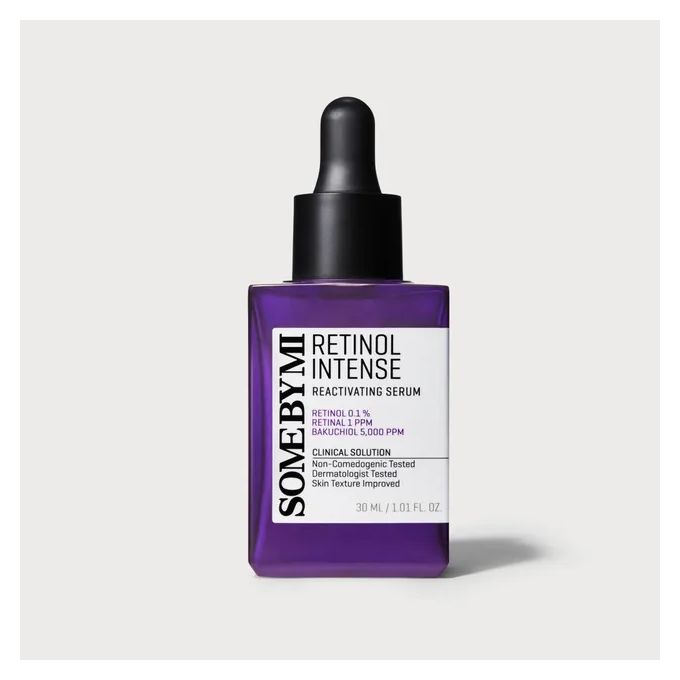
This Korean serum blends retinol, retinal and bakuchiol, with skin-supporting ingredients that help soften fine lines, wrinkles, enlarged pores and dullness. Retinal is a step closer to the active form, so it works faster. Save this one for when your skin already tolerates retinol.
Pros:
- Retinol, retinal and bakuchiol give multi-pathway renewal
- Targets fine lines, pores, texture and dullness
- Supports firmer, clearer, more youthful-looking skin
- A strong next step after a gentle starter
Cons:
- Too much for retinol beginners
- Needs consistent nightly use to show its full potential
6. COSRX The Retinol 0.5 Oil: The Stronger, Cushioned Choice
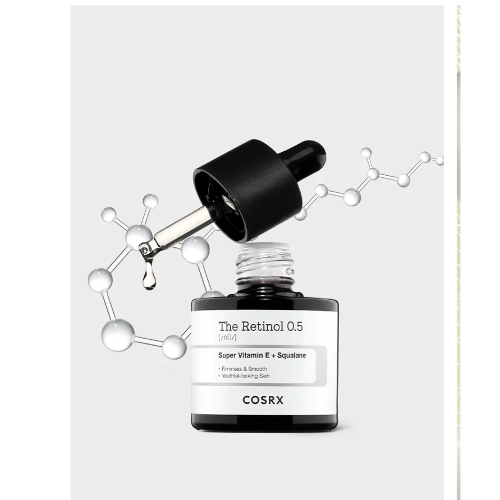
At 0.5% retinol in an oil base, this treatment goes further than entry-level products, and the oil conditions your skin while it works. It is made for evening use and suits you if you are ready for a more committed approach to smoother, firmer skin.
Pros:
- 0.5% retinol delivers noticeable texture and anti-ageing results
- Oil base helps condition and soften skin
- Ideal for targeted evening care
- Supports a more refined, firmer-looking complexion
Cons:
- Needs some prior retinol experience
- The oil texture can feel rich in very hot weather
A Simple Routine for Using Both
Morning: Cleanse, apply your azelaic acid serum, moisturise, and finish with SPF. No exceptions on the SPF.
Evening: Cleanse, apply your retinol, then moisturise. Start with two evenings a week and build up slowly over two to three months.
Follow this and the difference between azelaic acid and retinol works in your favour instead of confusing you.
At Perona Beauty, all six products above are available in store. Visit us at 120 Ogudu Road, Opposite Debonairs Pizza, Ogudu, Lagos, or at 42 Ademolu House, Ita Eko, Abeokuta. Tell us what your skin is dealing with, and we will point you to the right side.
Two Pathways, One Better Skin
So, here is the difference between azelaic acid and retinol in a nutshell. One calms, one renews. One suits sensitive, red, breakout-prone skin, and the other suits skin chasing smoother texture and fewer lines. Neither is better, they are simply different tools.
Pick the one that matches your skin today, use it consistently, and add the other when you are ready. If you ever feel unsure, we are always here at Perona Beauty to help.
FAQ On Difference Between Azelaic Acid and Retinol
Which is better for dark spots?
Both work, but differently, which is the heart of the difference between azelaic acid and retinol. Azelaic acid stops melanin from being made, so it is faster and safer for deeper skin tones. Retinol sheds the pigmented cells, which is slower but also tackles future spots.
Can a beginner start with retinol?
You can, but azelaic acid is the easier first step. Given the difference between azelaic acid and retinol in tolerance, many people start with azelaic acid, settle their skin, and add retinol a month or two later.
Which is better for acne?
Azelaic acid treats the bacteria and inflammation behind active breakouts. Retinol keeps pores from clogging again. Using both covers every angle.
Which one should I pick if I can only choose one?
If your skin is sensitive, red or marked from breakouts, choose azelaic acid. If your skin is calm and your worries are lines, texture and pores, choose retinol.