

Dry skin around the eyes is one of the most common skincare complaints, and it is also one of the most mismanaged. The eye area has specific characteristics that make it more vulnerable to dryness, more reactive to the wrong products, and more difficult to treat than dryness on the rest of the face. Yet most people either apply the same products they use everywhere else or avoid the area entirely out of concern about causing irritation.
Both approaches consistently fail. What dry skin around the eyes actually requires is understanding what makes this area different, which ingredients genuinely help, which ingredients should never be applied here, and how to build a consistent eye care routine that delivers hydration and repair without triggering the sensitivity that makes treatment feel worse than the original dryness.
Why the Eye Area Is Different From the Rest of Your Face
Dry skin around the eyes is not the same as dryness on the cheeks or forehead, and treating it as though it were leads to either under-treatment with products too gentle to make a difference or over-treatment with products too aggressive for the area to tolerate.
The skin around the eyes is the thinnest on the entire face, approximately four times thinner than skin on the cheeks. It has significantly fewer sebaceous glands, which means it produces very little natural oil to lubricate and protect itself. It is subjected to constant movement from blinking, squinting, and facial expressions, averaging 15,000 to 20,000 blinks per day. And it has a more permeable surface than other facial skin, allowing products to penetrate more quickly and at higher concentrations than intended.
These characteristics explain why dry skin around the eyes develops so readily and why it requires different products from the rest of the face. They also explain why the wrong products cause disproportionate damage here compared to their effects elsewhere.
What Actually Causes Dry Skin Around the Eyes
Dry skin around the eyes has several common causes, many of which are driven by product choices rather than inherent skin biology.
Using foaming cleansers that reach the eye area during face washing is one of the most frequent causes. Sulphate-containing foaming cleansers strip the minimal natural oil the eye area produces, leaving it without any lipid protection and significantly more prone to dry skin around the eyes symptoms.
Using actives like retinol, AHAs, and BHAs on or near the eye area without eye-specific formulations dramatically worsens dry skin around the eyes. The high penetration rate of the thin eye-area skin means these actives reach the living skin below at much higher effective concentrations than intended, causing the dryness, peeling, and sensitivity that make many people stop using these ingredients entirely.
Rubbing the eyes, whether from makeup removal, allergy responses, or habit, mechanically damages the thin skin and its already limited oil barrier, contributing to persistent dry skin around the eyes that does not resolve with hydration alone.
Environmental factors including air conditioning, screen time that reduces blink rate, and Nigeria’s harmattan season all accelerate the moisture evaporation from the eye area’s thin, oil-deficient skin.
What You Should NOT Use on Dry Skin Around the Eyes
This is where most skincare routines cause unintentional damage, so it deserves clear, direct treatment before moving into recommendations.
Foaming cleansers directly on the eye area. The sulphates in most foaming cleansers are too stripping for the already oil-deficient skin here. Even gentle foaming cleansers leave the eye area drier after use than before, worsening dry skin around the eyes with every wash. A no-rinse micellar water or a separate oil-based eye makeup remover is the appropriate cleansing method for this zone.
Standard face retinol products. Retinol is one of the most effective anti-ageing ingredients available, but standard face-grade retinol applied directly around the eyes, not formulated for the orbital skin, penetrates too deeply and produces dryness, peeling, and irritation that significantly worsens dry skin around the eyes. If retinol benefits are desired around the eye area, they should come from a product specifically formulated and concentration-calibrated for the delicate orbital skin.
AHAs and BHAs around the eyes. Glycolic acid, lactic acid, and salicylic acid are among the most effective exfoliants available for the rest of the face, but they are far too irritating and drying for the thin, sensitive eye area. Their use near the eye area is a primary cause of chemical-burn-like dry skin around the eyes that can take weeks to recover from.
Heavily fragranced products. Fragrance is one of the most common contact irritants in skincare and is particularly damaging in the eye area, where it can cause redness, swelling, stinging, and the barrier disruption that worsens dry skin around the eyes chronically.
Physical exfoliants around the eye area. Scrubs, textured cloths, and any form of mechanical exfoliation create micro-tears in the already thin eye-area skin, compromising the barrier and making dry skin around the eyes more severe and more difficult to treat.
What You SHOULD Use for Dry Skin Around the Eyes
Ceramides are the most structurally important ingredient for dry skin around the eyes. They form the lipid matrix of the skin barrier that prevents moisture evaporation, and the eye area’s minimal oil production means its ceramide support depends almost entirely on topical replenishment.
Hyaluronic acid draws water to the skin cells and holds it there, addressing the cellular dehydration component of dry skin around the eyes directly. It plumps the thin skin above the structural dryness, reducing the fine lines that dehydration makes more visible.
Peptides support collagen synthesis and barrier integrity through a gentle, non-irritating mechanism appropriate for the orbital skin. Unlike retinol, peptides do not cause the initial disruption that worsens dry skin around the eyes during an adjustment period.
Vitamin C in eye-specific formulations provides antioxidant protection and brightening benefits that address the dullness accompanying dry skin around the eyes without the irritation of standard face-grade vitamin C concentrations.
Panthenol (Vitamin B5) accelerates barrier repair and provides deeply comfortable hydration, making it one of the most appropriate ingredients for sensitive dry skin around the eyes treatment.
Niacinamide in eye formulations strengthens the ceramide barrier, reduces dark circles through its anti-inflammatory properties, and supports the overall skin health of the orbital area without irritating the thin skin.
8 Rules for Treating Dry Skin Around the Eyes
- Always use a separate eye product. The eye area needs products calibrated specifically for its permeability and sensitivity. General face moisturisers are not formulated to account for how quickly the orbital skin absorbs them.
- Apply with the ring finger only. The ring finger applies the least pressure of any finger, protecting the thin eye-area skin from mechanical damage during product application.
- Tap, never rub. The application motion for any eye area product should be gentle tapping from the inner corner outward along the orbital bone, never rubbing or dragging.
- Apply to the orbital bone, not the eyelid. Product applied directly on the mobile eyelid migrates toward the eye and can cause irritation. Apply along the orbital bone and allow the product to migrate naturally.
- Remove eye makeup with micellar water on a cotton pad, never foaming cleanser. Foaming cleansers that contact the eye area during face washing are a primary cause of dry skin around the eyes from product-induced barrier disruption.
- Never use face-grade retinol around the eyes. If retinol benefits are wanted in this area, use an eye cream formulated with an appropriate retinol or retinal concentration for the orbital skin specifically.
- Layer from lightest to heaviest. Apply eye serum first, allow absorption, then apply eye cream. This sequence ensures the lighter serum reaches the skin before the heavier cream seals it in.
- Consistency matters more than any single product. Dry skin around the eyes responds to consistent daily application of appropriate products over weeks, not to intensive overnight treatments used sporadically.
The 6 Best Products for Dry Skin Around the Eyes
1. Simple Kind to Skin Micellar Cleansing Water — Best Eye Area Cleanser
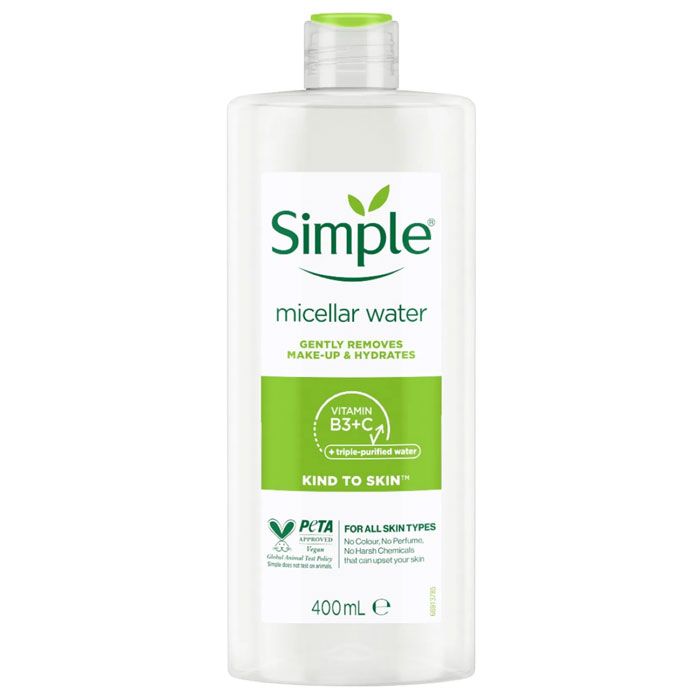
The most important first step in managing dry skin around the eyes is removing the foaming cleanser from the eye area during your face wash. The Simple Kind to Skin Micellar Cleansing Water provides a fragrance-free, no-rinse alternative that removes eye makeup, surface impurities, and excess product from the eye area without any of the stripping that foaming cleansers cause on this already oil-deficient skin.
Micellar technology uses tiny oil-attracting molecules suspended in water that lift away makeup and debris with a gentle swipe, requiring no rinsing, no rubbing, and no contact with the stripped feeling that leaves dry skin around the eyes worse after cleansing than before. The Simple formula is specifically free from harsh chemicals, artificial perfumes, and dyes, removing the most common contact irritants from the step most likely to introduce them to the eye area.
Pros:
- No-rinse micellar formula removes eye makeup and impurities without stripping the eye area’s minimal oil barrier
- Fragrance-free, chemical-free formula removes contact irritants from the eye area cleansing step
- Requires no rubbing, protecting the thin eye-area skin from the mechanical damage that worsens dry skin around the eyes
- Suitable for all skin types including sensitive and reactive skin for daily morning and evening use
Cons:
- May require a second cotton pad for heavy or waterproof eye makeup rather than a single pass
- No active treatment ingredients, requiring a dedicated eye serum or cream to address the underlying dryness
2. Mary and May Tranexamic Acid and Glutathione Eye Cream — Best Brightening Eye Cream for Dry Skin Around the Eyes
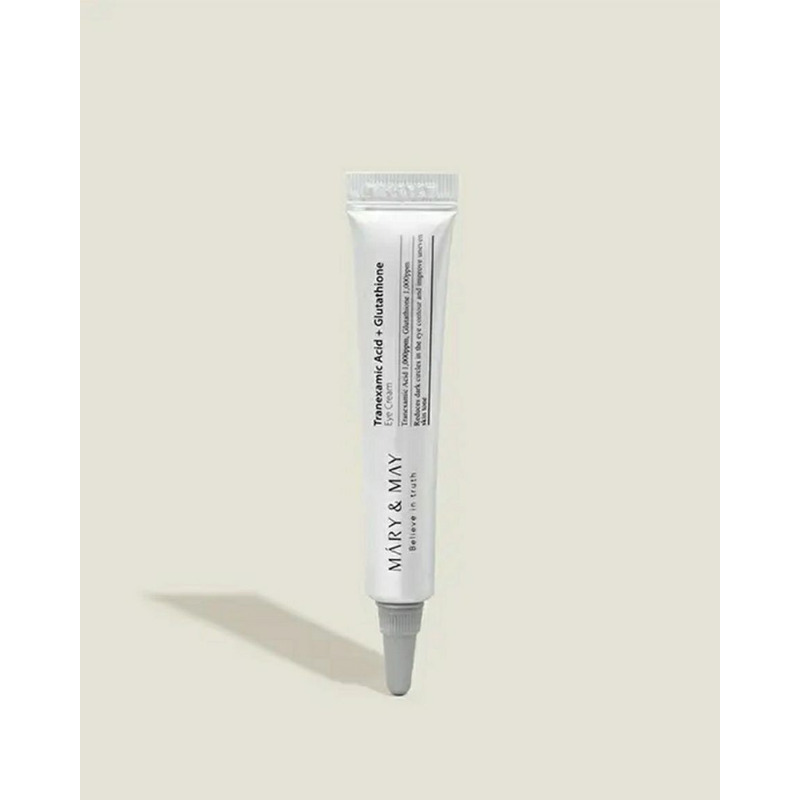
Dry skin around the eyes is frequently accompanied by dullness, dark circles, and an uneven, pigmented appearance that hydration alone does not fully address. The Mary and May Tranexamic Acid and Glutathione Eye Cream (12g) targets this specific presentation, combining two of the most effective brightening ingredients available in a lightweight Korean formulation calibrated for the delicate orbital skin.
Tranexamic Acid is one of the most well-researched brightening ingredients in Korean skincare, working by inhibiting the melanocyte activation that causes hyperpigmentation and dark circles. Glutathione is a powerful antioxidant that reduces oxidative stress in the skin cells and contributes to the progressive brightening of pigmented and dull-looking skin around the eyes. Together, these two actives address the discolouration component of dry skin around the eyes more directly than vitamin C alone, particularly for deeper skin tones where dark circles and post-inflammatory pigmentation are among the most persistent concerns.
The lightweight, nourishing formula hydrates the delicate eye area while delivering its brightening work, leaving the skin around the eyes looking brighter, smoother, and more refreshed. Applied as the first active step after cleansing before eye cream, it provides the targeted brightening layer that the heavier moisturising products applied on top then seal in.
Pros:
- Tranexamic Acid and Glutathione address dark circles and pigmentation around the eyes through two complementary brightening mechanisms
- Lightweight formula hydrates the delicate eye area without heaviness while delivering active brightening treatment
- Particularly effective for deeper skin tones where dark circles and dullness accompany dry skin around the eyes
- Nourishing Korean formulation calibrated for the sensitivity of the orbital skin
Cons:
- Brightening results develop progressively over several weeks of consistent daily use rather than immediately
- 12g size requires regular repurchasing with consistent twice-daily application
3. Face Facts Ceramide Replenishing Eye Cream — Best Ceramide Eye Cream for Dry Skin Around the Eyes
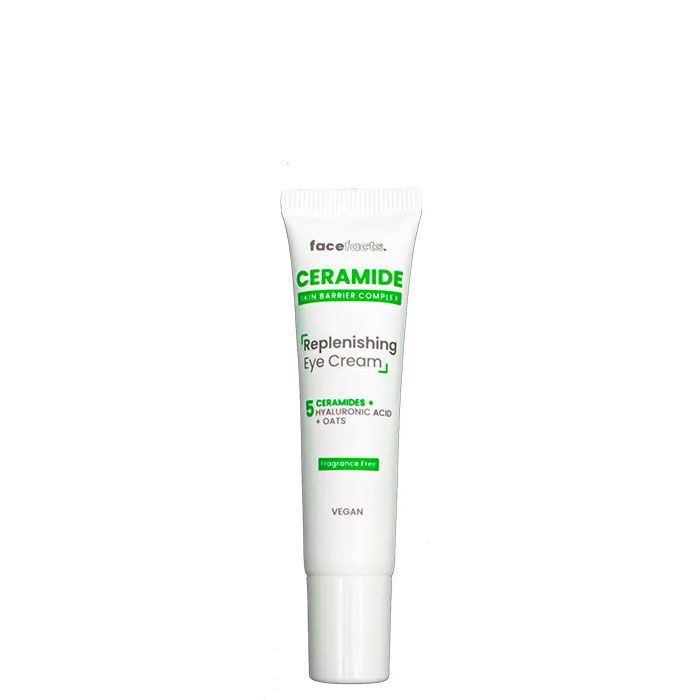
For dry skin around the eyes that is primarily a barrier and hydration issue without significant anti-ageing concerns, the Face Facts Ceramide Replenishing Eye Cream is the most directly targeted and accessible option on this list. Ceramides are the structural lipids of the skin barrier that the oil-deficient eye area depends on for moisture retention, and their topical replenishment through an eye-specific cream directly addresses the barrier deficit that allows dry skin around the eyes to persist despite regular moisturisation.
The lightweight texture ensures the cream is appropriate for the orbital skin without the heaviness that causes product migration into the eyes, which can cause irritation and which most people incorrectly attribute to ingredient sensitivity rather than formulation weight. For dry, tired, or mature skin dealing with dry skin around the eyes as a primary and isolated concern, this ceramide-focused cream provides the most straightforward barrier restoration available among the products on this list.
Pros:
- Ceramide-focused formula directly restores the barrier lipids that prevent moisture loss in dry skin around the eyes
- Lightweight nourishing texture appropriate for the delicate orbital skin without excessive heaviness
- Reduces signs of fatigue and ageing alongside the core barrier-repair and hydration benefits
- Accessible option for those beginning an eye care routine specifically for dry skin around the eyes
Cons:
- Ceramide-focused formula without the advanced actives of more comprehensive eye treatments
- Best suited to primary dryness and barrier concerns rather than significant dark circles or anti-ageing needs
4. CeraVe Eye Repair Cream — Best Dermatologist-Developed Eye Cream for Dry Skin Around the Eyes
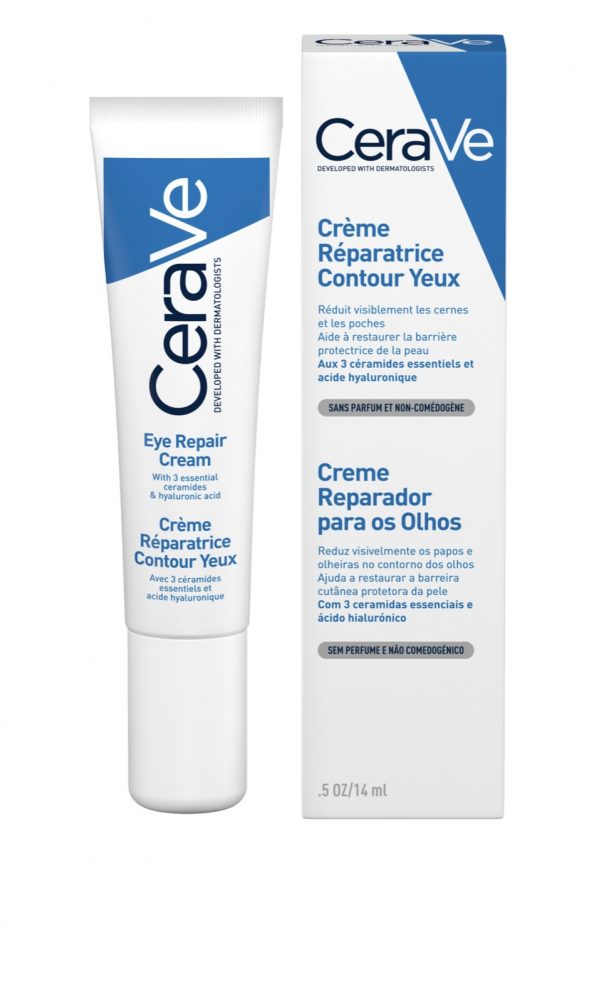
The CeraVe Eye Repair Cream brings the brand’s ceramic-centred barrier science to the orbital area in a dermatologist-developed formula designed specifically for the delicate skin that makes dry skin around the eyes so challenging to treat. It addresses dark circles and puffiness alongside the core hydration deficit, making it one of the more comprehensive single-product solutions for the full presentation of dry skin around the eyes including its cosmetic accompaniments.
CeraVe’s MVE technology, which releases ceramides slowly over time rather than only at the moment of application, is particularly valuable for the eye area where moisture retention is compromised by minimal natural oil production. The sustained ceramide release supports the barrier continuously throughout the day rather than only immediately after application, which produces more durable hydration improvement for dry skin around the eyes than standard moisturisers provide.
The gentle, dermatologist-developed formulation ensures the formula has been validated for the sensitivity requirements of the orbital skin, which is an important consideration for a zone where the wrong formulation choice causes disproportionate damage.
Pros:
- MVE technology provides continuous ceramide release for sustained barrier support around the eyes
- Dermatologist-developed formulation validated for the delicate orbital skin’s sensitivity requirements
- Addresses dark circles and puffiness alongside core hydration for dry skin around the eyes
- Gentle, accessible formula suitable for all skin types including sensitive and reactive eye area skin
Cons:
- Results from dark circle and puffiness reduction develop progressively with consistent use over several weeks
- Small tube size may run out quickly with twice-daily consistent use
5. K-Secret Seoul 1988 Eye Cream Retinal Liposome 4% and Fermented Bean — Best Premium Anti-Ageing Eye Cream for Dry Skin Around the Eyes
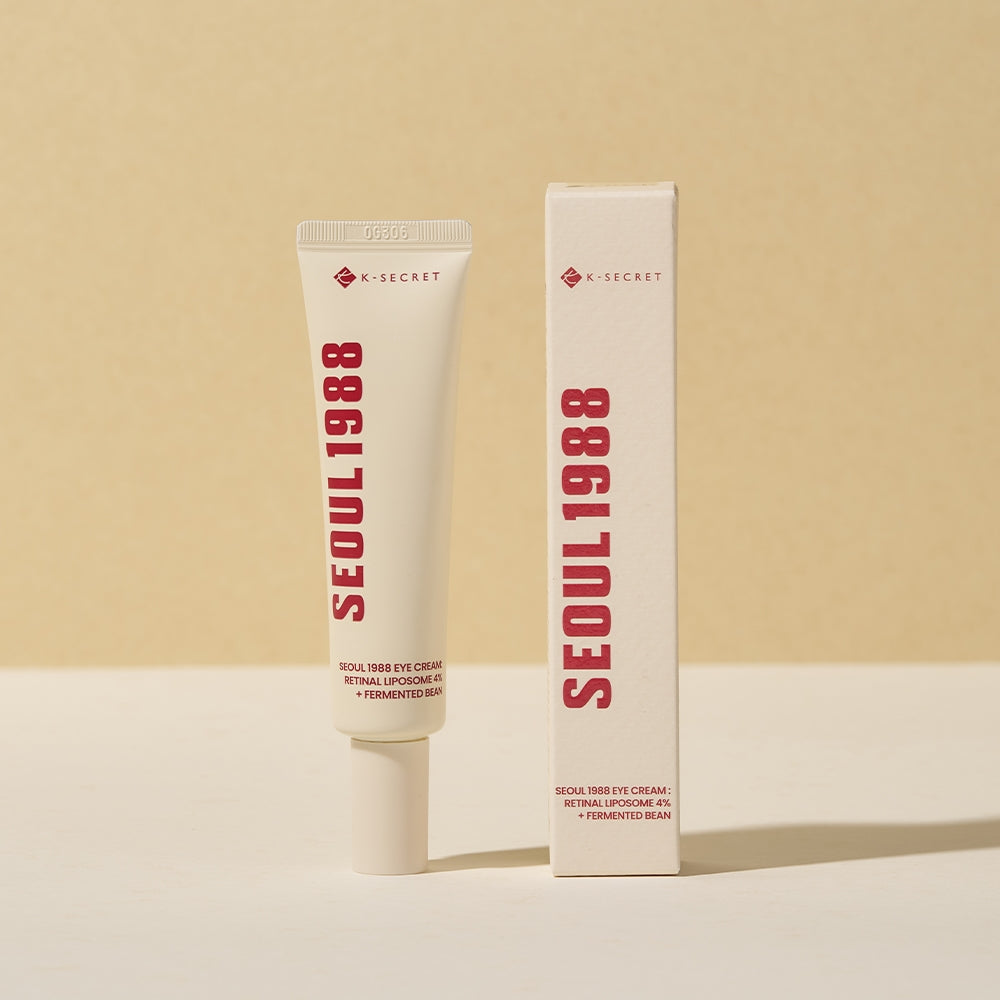
For dry skin around the eyes accompanied by visible fine lines, loss of firmness, or textural concerns, the K-Secret Seoul 1988 Eye Cream is the most sophisticated anti-ageing option on this list. Its 4% retinal in liposome encapsulation delivers the collagen-stimulating and cell-renewal benefits of Vitamin A at the orbital skin without the dryness and irritation that standard face-grade retinol products cause when used around the eyes.
Retinal is more potent than retinol, requiring only one conversion step to become active retinoic acid in the skin rather than the two steps retinol requires. This efficiency means visible results at lower concentrations, which is precisely what the delicate dry skin around the eyes zone requires. The liposome encapsulation gradually releases the retinal rather than delivering it all at once, significantly reducing the irritation risk that makes people afraid to use retinoids around their eyes.
Fermented bean extract enhances active absorption and provides brightening that reduces the dark circles that compound the tired, dry appearance of the orbital area. For anyone whose dry skin around the eyes concern includes structural ageing alongside dryness, this is the most results-driven formulation available.
Pros:
- Retinal liposome 4% delivers collagen stimulation appropriate for dry skin around the eyes without standard retinol irritation
- Liposome encapsulation provides gradual release for better tolerability in the sensitive orbital zone
- Fermented bean extract enhances absorption and brightens dark circles alongside structural anti-ageing
- Most comprehensive anti-ageing treatment for dry skin around the eyes on this list
Cons:
- Premium formulation shows full results over several weeks of consistent nightly use
- Retinal should be introduced gradually for those new to retinoid use around the eyes
6. Some By Mi Retinol Intense Advanced Triple Action Eye Cream — Best Multi-Active Eye Cream for Dry Skin Around the Eyes
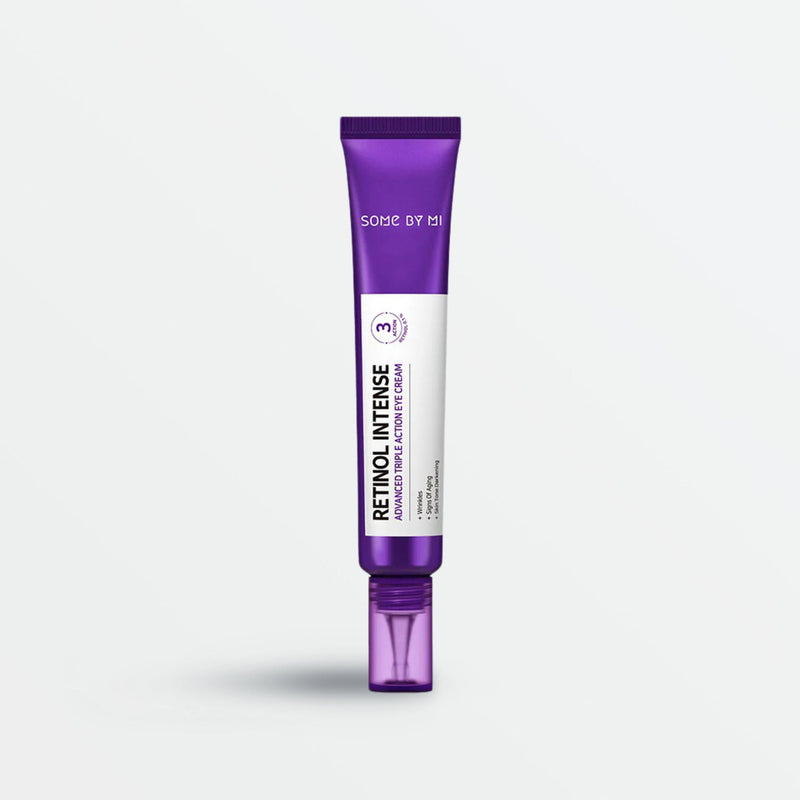
The Some By Mi Retinol Intense Advanced Triple Action Eye Cream addresses dry skin around the eyes through three complementary mechanisms simultaneously: retinol for cell renewal and collagen stimulation, peptides for additional structural support through a separate collagen-signalling pathway, and niacinamide for dark circle reduction and barrier strengthening.
The triple-action approach makes this the most comprehensive single product for dry skin around the eyes that combines anti-ageing activity with the hydration and barrier support that the core dryness requires. Retinol in an eye-specific formulation at appropriate concentration provides structural improvement. Peptides add collagen and elastin signalling through a mechanism gentler than retinol and therefore more immediately appropriate for reactive or first-time retinoid users. Niacinamide addresses the dark circles and inflammation that often accompany dry skin around the eyes while strengthening the ceramide barrier content that the thin orbital skin depends on.
Pros:
- Retinol, peptides, and niacinamide address anti-ageing, hydration, and dark circles simultaneously
- Eye-specific retinol calibration prevents the dryness and irritation of face-grade retinol applied around the eyes
- Peptides provide complementary collagen stimulation suitable for those new to retinoid eye care
- Firms, brightens, and smooths the orbital area with consistent nightly use
Cons:
- Multi-active formula requires gradual introduction for those new to retinol in the eye area
- Structural and brightening results develop progressively over six to eight weeks of consistent use
Building an Eye Care Routine for Dry Skin Around the Eyes
Morning: Use Simple Micellar Water on a cotton pad to cleanse the eye area gently. Apply Creightons Vitamin C Bright Eye Serum with a gentle tapping motion using the ring finger. Follow with your chosen eye cream: CeraVe Eye Repair Cream or Face Facts Ceramide Eye Cream for primary dryness and barrier concerns. Apply SPF to the orbital area, stopping just short of the lash line.
Evening: Cleanse the eye area with Simple Micellar Water to remove makeup and SPF residue without foaming cleanser contact. Apply your chosen advanced eye cream: K-Secret Seoul 1988 or Some By Mi Triple Action for anti-ageing alongside dryness. The retinoid-containing formulas are best at night when UV exposure is not a concern.
At Perona Beauty, all six products in this dry skin around the eyes guide are available in store. Visit us at 120 Ogudu Road, Opposite Debonairs Pizza, Ogudu, Lagos, or at 42 Ademolu House, Ita Eko, Abeokuta. Our team will help you identify the right products for your specific presentation of dry skin around the eyes.
The Eye Area Deserves More Specific Care Than It Usually Gets
Dry skin around the eyes is one of the areas where skincare routines most commonly under-serve the skin, either by ignoring it, using inappropriate products on it, or applying the correct products with the wrong technique. The result is an area that looks persistently tired, crepey, and dry despite consistent skincare effort everywhere else.
The six products in this guide cover every requirement for addressing dry skin around the eyes correctly: Simple Micellar Water for barrier-preserving cleansing, Creightons Vitamin C Serum for brightening and antioxidant protection, Face Facts Ceramide Eye Cream for accessible barrier-focused hydration, CeraVe Eye Repair Cream for dermatologist-developed comprehensive care, K-Secret Seoul 1988 for premium retinal-based anti-ageing, and Some By Mi Triple Action for multi-active firming and brightening treatment.
Use the right products, apply them with the right technique, and the dry skin around the eyes that has felt impossible to resolve will show you what consistent and appropriate eye care is capable of.
Frequently Asked Questions About Dry Skin Around the Eyes
Why does dry skin around the eyes keep coming back despite daily moisturising?
Dry skin around the eyes that persists despite moisturising is usually caused by either the wrong product reaching this area during cleansing, the absence of ceramide-specific barrier repair, or an ingredient in a product being applied near the eye that is too active for this zone. Switching to micellar cleansing for the eye area, adding a ceramide eye cream, and reviewing all products that contact this skin zone typically resolves persistent dry skin around the eyes within two to four weeks.
Can I use my regular face moisturiser for dry skin around the eyes?
Technically, but it is not recommended. General face moisturisers are not calibrated for the eye area’s absorption rate and are not tested for ocular safety in the way dedicated eye products are. Heavy face creams applied around the eyes can migrate into the eyes and cause irritation, and lighter face moisturisers often do not provide adequate barrier support for the more vulnerable dry skin around the eyes zone. A dedicated eye product delivers the appropriate concentration and formulation design for this area.
How long does it take to improve dry skin around the eyes?
Immediate comfort improvement from a well-formulated hydrating eye cream is typically felt within the first few applications. Visible improvement in dry skin around the eyes dryness and rough texture develops over two to three weeks of consistent daily use. Fine line improvement from ceramide and peptide treatment takes four to six weeks. Anti-ageing structural improvement from retinal-containing formulas takes six to eight weeks of consistent nightly use.
Is it safe to use SPF on dry skin around the eyes?
Yes, and it is important. UV damage accelerates the collagen breakdown and ceramide depletion that worsen dry skin around the eyes over time. A mineral SPF applied carefully around the orbital bone, stopping short of the mobile eyelid and lash line, provides daily protection that prevents UV from undoing the improvement your eye care routine is building.