
Everyone knows hyaluronic acid. Most people have heard of peptides. But the world of skin-plumping ingredients extends far beyond the names that dominate skincare marketing, and some of the most effective hydrating and volumising compounds in formulation science are the ones most people have never thought to look for on an ingredient label.
Skin-plumping ingredients work by drawing water into the skin cells, reinforcing the barrier that keeps that water from evaporating, or stimulating the structural proteins that give skin its bounce and density. The well-known ones do this work effectively. But the lesser-known skin-plumping ingredients on this list often outperform them in specific ways, particularly for skin that has not responded fully to standard hyaluronic acid products.
This guide introduces seven skin-plumping ingredients that belong in more routines than they currently occupy, explains what each one does, and pairs each with the best available product formulated around it.
Why Most People Are Only Getting Half the Story on Skin-Plumping Ingredients
The skincare industry’s tendency to market around a small number of hero ingredients means that the majority of consumers focus on the same handful of skin-plumping ingredients while an entire category of effective, well-researched alternatives goes largely unnoticed. This is not because those alternatives are inferior. In many cases, they address dimensions of skin plumping that hyaluronic acid alone cannot cover.
True skin plumping requires three things working simultaneously. First, water must be drawn into the skin cells through humectant activity. Second, the barrier must be strong enough to prevent that water from evaporating back out through transepidermal water loss. Third, the structural proteins and extracellular matrix compounds that give skin its physical density must be supported. Different skin-plumping ingredients address different parts of this process, which is why a routine built around several complementary approaches always outperforms one built around a single celebrated compound.
7 Surprising Skin-Plumping Ingredients and the Products That Deliver Them
1. COSRX Advanced Snail 96 Mucin Power Essence — Best Snail Mucin Essence for Deep Skin Plumping
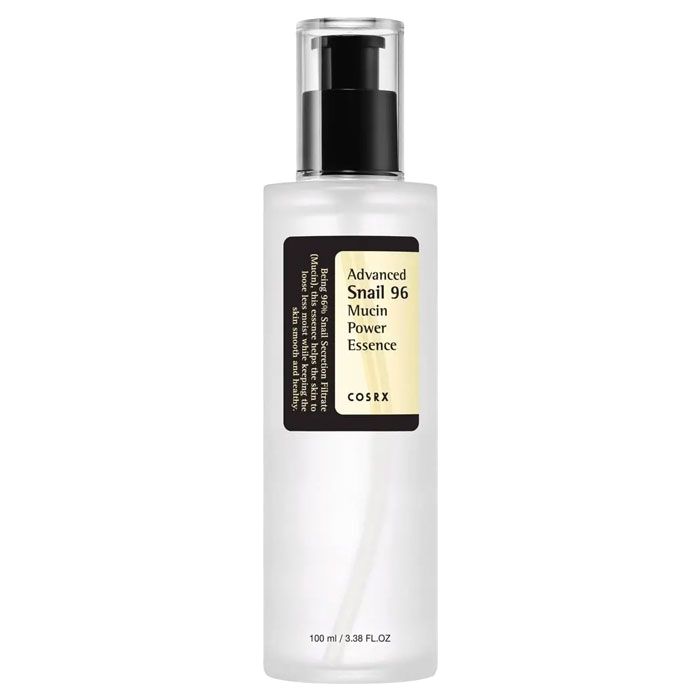
Snail mucin is one of the most biologically compatible plumping ingredients available in skincare, and at 96% snail secretion filtrate, the COSRX Advanced Snail 96 Mucin Power Essence delivers that ingredient at a concentration where its full range of plumping, repairing, and nourishing benefits are genuinely active rather than cosmetically present on the label.
Snail mucin contains naturally occurring hyaluronic acid, glycoproteins, allantoin, collagen precursors, and peptides, compounds that work together to draw moisture into the skin, support the structural proteins that maintain skin firmness, and repair the barrier that prevents moisture from evaporating after it has been delivered. This multi-mechanism approach is what makes snail mucin one of the most effective single ingredients for skin plumping: it hydrates, it repairs, and it stimulates collagen simultaneously, addressing the water content, structural integrity, and barrier function that all contribute to genuinely plump, bouncy skin.
The lightweight, fast-absorbing formula makes it practical for daily use without the heaviness that richer plumping treatments can carry in Nigeria’s warm climate. Applied after toning and before heavier serums and moisturisers, it delivers the hydration and repair foundation that makes every subsequent product in the routine more effective.
Pros:
- 96% snail mucin delivers comprehensive plumping through hydration, barrier repair, and collagen stimulation simultaneously
- Naturally occurring hyaluronic acid and glycoproteins draw and bind moisture for lasting visible plumpness
- Lightweight, fast-absorbing essence is comfortable for daily use in warm and humid conditions
- Repairs the skin barrier alongside plumping, improving the skin’s capacity to retain the moisture delivered
Cons:
- Structural plumping benefits from collagen support develop progressively over several weeks of consistent use
- High snail mucin concentration makes authenticity verification important when purchasing in Nigeria
2. Glycerin — The Most Reliable of All Skin-Plumping Ingredients
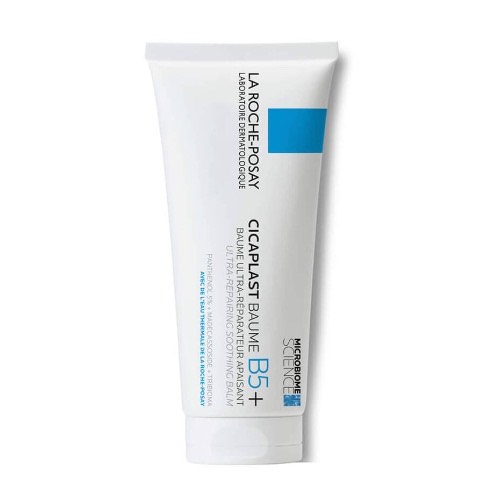
Glycerin is one of the oldest and most extensively researched skin-plumping ingredients in existence, and it is consistently underestimated because of how familiar it is. Familiarity in skincare too often reads as ordinary, but glycerin’s humectant capacity is exceptional. It draws water from both the deeper layers of the skin and from the ambient environment, holds it at the surface, and does so with a tolerability profile that makes it suitable for the most reactive and compromised skin types.
The La Roche-Posay Cicaplast Baume B5+ Ultra Repairing Soothing Balm uses glycerin as a core component of a multi-purpose repairing formula that adds Vitamin B5, madecassoside, and shea butter to the glycerin’s foundational humectant activity. The result is one of the most skin-supportive products on this list, combining the water-drawing capacity of glycerin with barrier-repairing compounds that prevent the water from simply evaporating after being drawn in.
Suitable for babies, children, and adults, this balm demonstrates how effectively glycerin-centred skin-plumping ingredients serve the most sensitive skin types when formulated with intelligence.
Pros:
- Glycerin provides exceptional, well-tolerated humectant activity as a foundational skin-plumping ingredient
- Vitamin B5 and madecassoside support barrier repair alongside the glycerin’s hydration delivery
- Multi-purpose formula suits dry skin, irritated skin, and barrier-compromised skin simultaneously
- Non-oily, lanolin-free formula is comfortable on sensitised skin without heaviness
Cons:
- Balm texture is richer than serum or lotion formats, which may feel heavier in Nigeria’s warm climate
- Best used as a targeted repair product rather than an everyday lightweight moisturiser
3. Beta-Glucan — The Skin-Plumping Ingredient That Heals While It Hydrates
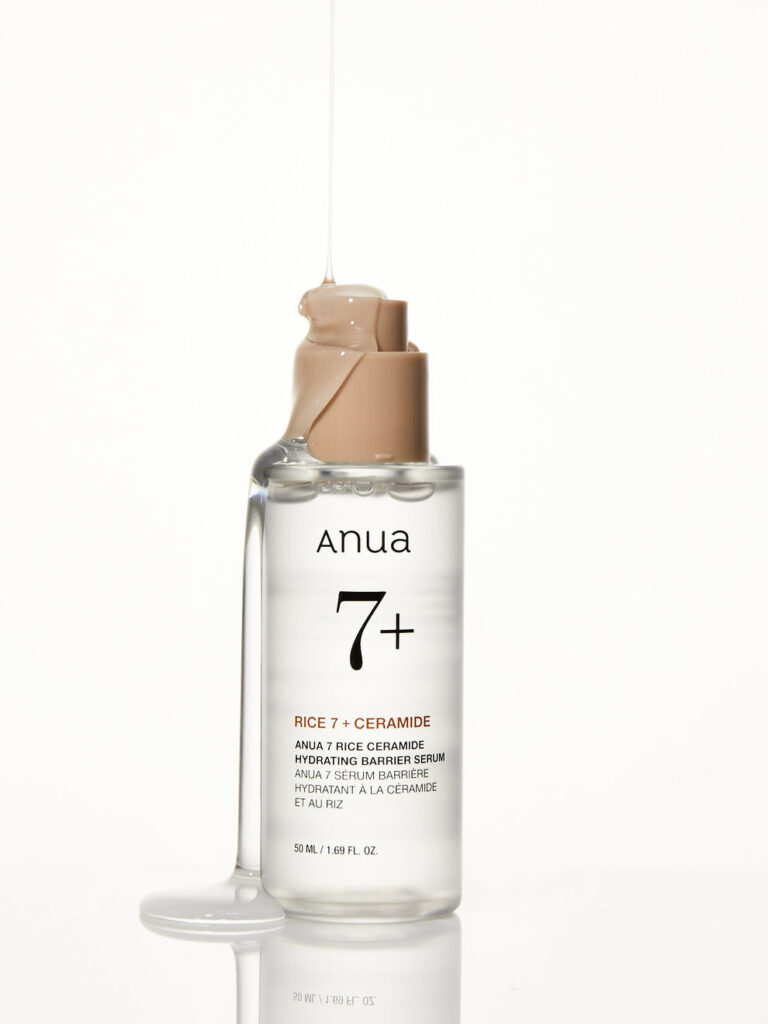
Beta-glucan is a polysaccharide derived from oats, yeast, and grains that belongs in the category of skin-plumping ingredients most people have genuinely never heard of despite its impressive research profile. It functions as a humectant with hydration-holding capacity comparable to hyaluronic acid, but adds anti-inflammatory, wound-healing, and immune-modulating properties that hyaluronic acid does not possess.
For skin dealing with inflammation alongside dehydration, beta-glucan is one of the most strategically valuable skin-plumping ingredients available because it addresses both problems through the same ingredient. It draws water into the skin while simultaneously calming the inflammatory environment that compromises barrier function and accelerates moisture loss.
The Anua Rice 7 Ceramide Hydrating Barrier Serum includes beta-glucan alongside 73% rice extract and seven types of ceramides in a lightweight serum that repairs the barrier, delivers deep hydration, and improves skin resilience. Rice extract contributes amino acids, antioxidants, and its own ceramide content, while the seven-ceramide complex directly rebuilds the barrier lipid structure that prevents transepidermal water loss. Beta-glucan within this formula is one of the most synergistic skin-plumping ingredients pairings on this list.
Pros:
- Beta-glucan delivers humectant hydration alongside anti-inflammatory and barrier-healing properties
- 73% rice extract and seven ceramide types rebuild barrier integrity alongside plumping hydration
- Lightweight serum format absorbs efficiently without heaviness for daily use
- Improves skin resilience and reduces sensitivity alongside its core hydration delivery
Cons:
- Beta-glucan’s less familiar profile means its contribution is often overlooked by people scanning ingredient lists
- Works most effectively as part of a complete routine rather than as a standalone treatment
4. Bolden Brightening Toner — Best Sodium PCA Toner for Plumper, More Even Skin
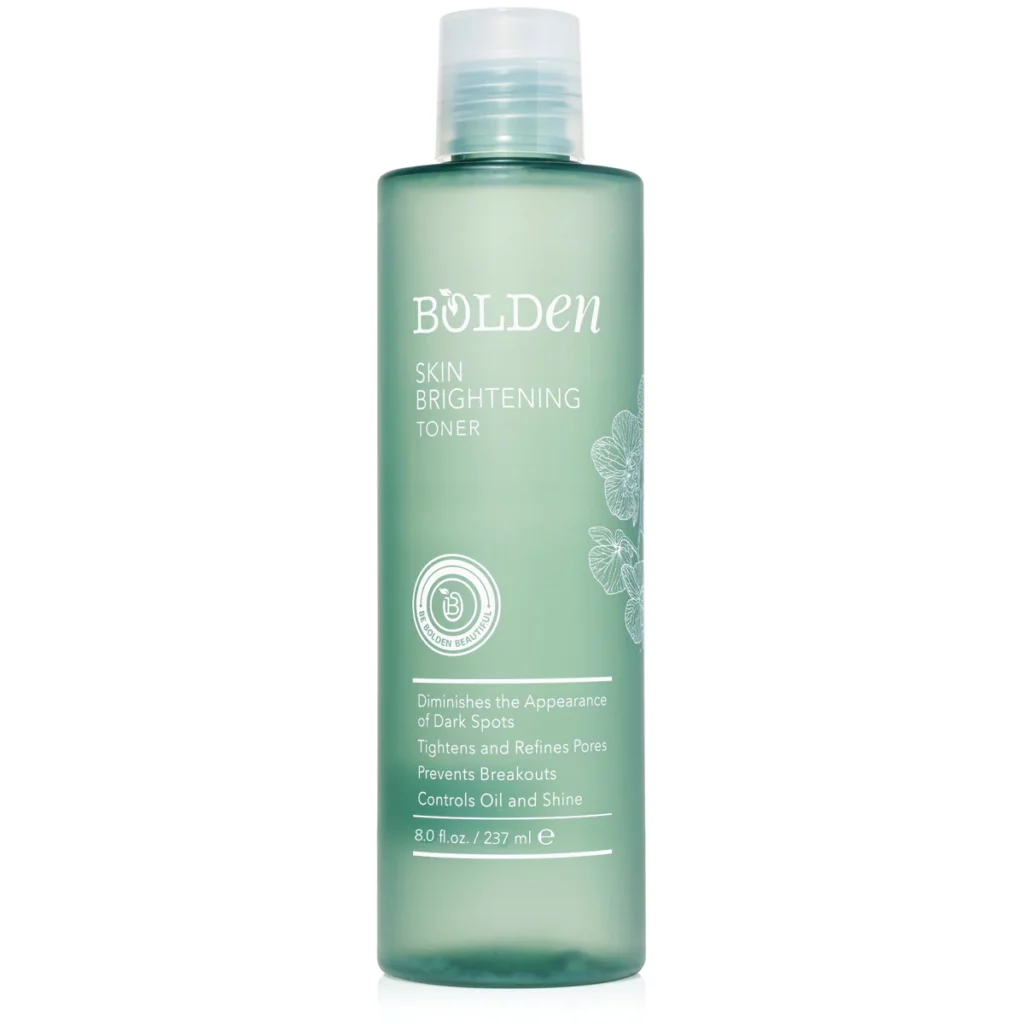
Sodium PCA is one of the most effective humectants available in skincare, and it is one of the most underappreciated. It is a naturally occurring component of the skin’s own natural moisturising factor, the system the skin uses to maintain its water content and surface suppleness. When delivered topically through a product like the Bolden Brightening Toner, it draws moisture from the environment and binds it to the skin cells, producing the plumping effect that comes from well-hydrated, water-filled skin rather than from any surface coating.
What makes this toner particularly relevant in a skin plumping context is its combination of Sodium PCA-driven hydration with active brightening and pore-refining benefits. It fades dark spots and evens skin tone, improves overall skin texture, and minimises the appearance of pores, all alongside the deep hydration that makes skin look and feel plumper and firmer with consistent use. Applied after cleansing as the first active step, it delivers immediate visible plumping while building progressive tone and texture improvement over time.
Pros:
- Sodium PCA attracts and binds moisture at the cellular level for genuine, lasting skin plumping
- Fades dark spots and evens skin tone alongside its hydration and plumping function
- Minimises pore appearance and improves skin texture for a smoother, more refined complexion
- Deeply hydrating formula produces firmer-looking skin with consistent daily use
Cons:
- Results from brightening and tone correction develop progressively over several weeks of daily use
- Works best as part of a layered routine rather than as a standalone plumping treatment
5. Panthenol — The Skin-Plumping Ingredient That Repairs and Plumps Simultaneously
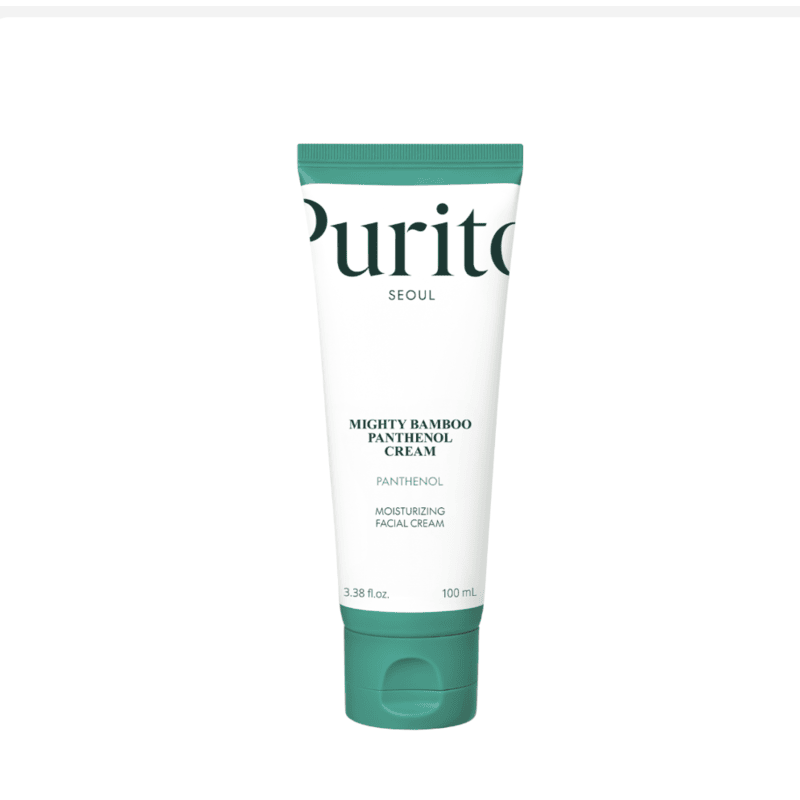
Panthenol, also known as Vitamin B5, is one of the most versatile skin-plumping ingredients in modern formulation science, performing as a humectant, a barrier-repairing active, and an anti-inflammatory compound simultaneously. Its humectant function attracts and retains water in the skin. Its barrier-repair function accelerates the recovery of compromised stratum corneum integrity. Its anti-inflammatory properties reduce the redness and irritation that barrier-compromised skin consistently experiences.
This triple activity makes panthenol one of the most strategically valuable skin-plumping ingredients for sensitive, irritated, or barrier-damaged skin. Skin that is already reactive cannot tolerate many standard hydrating actives, but panthenol’s exceptional tolerability profile makes it one of the rare skin-plumping ingredients that can be used effectively even on the most sensitised skin.
The Purito Mighty Bamboo Panthenol Cream builds its formula around panthenol and bamboo extract, a combination that delivers deep hydration, soothes irritation, and strengthens the barrier for long-term resilience. Applied consistently, it leaves skin soft, smooth, and noticeably more comfortable, which is the visible outcome of the barrier repair and moisture retention that panthenol drives.
Pros:
- Panthenol delivers humectant hydration, barrier repair, and anti-inflammatory activity in a single ingredient
- Bamboo extract provides additional skin-soothing and resilience-building support alongside panthenol
- Exceptional tolerability makes it one of the most appropriate skin-plumping ingredients for sensitive skin
- Restores comfort, resilience, and smoothness for skin dealing with barrier compromise
Cons:
- Panthenol’s gentle mechanism produces gradual improvement rather than dramatic immediate plumping
- Best suited to sensitive and barrier-compromised skin rather than those seeking intensive anti-ageing treatment
6. Ectoin — The Barrier-Supporting Duo for Calmer, Healthier-Looking Skin
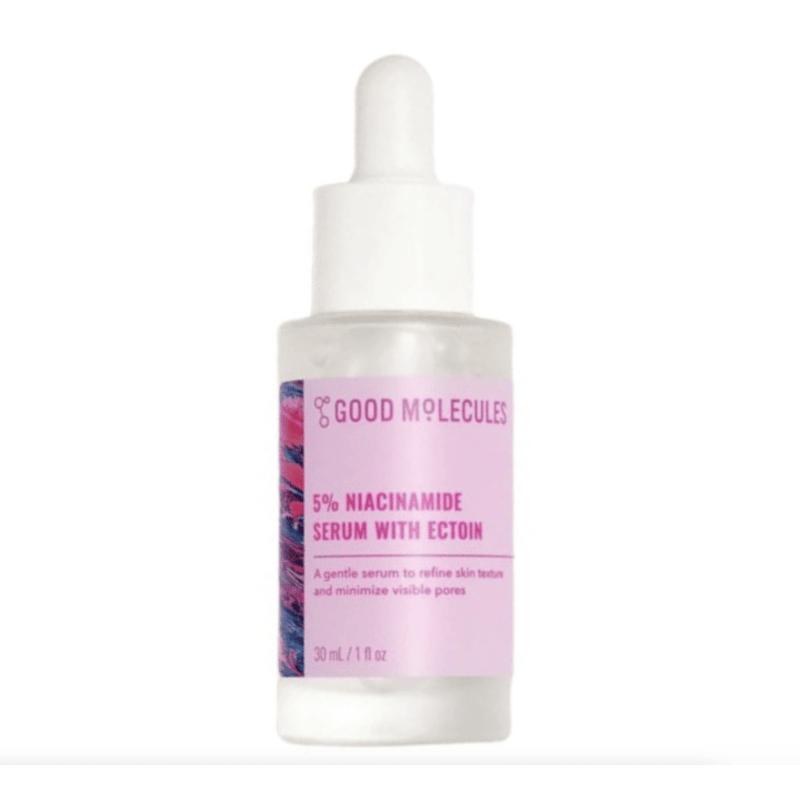
Ectoin is a naturally derived stress-protective ingredient that helps skin retain moisture and defend itself against environmental stress. While it may not be as familiar as hyaluronic acid or niacinamide, its ability to support the skin barrier makes it particularly interesting for skin exposed to factors such as heat, UV exposure, pollution, and changes in humidity.
The Good Molecules 5% Niacinamide Serum with Ectoin combines Ectoin with 5% niacinamide to take a more comprehensive approach to skin health. Niacinamide helps improve the appearance of uneven skin tone, enlarged pores, redness, and blemishes, while Ectoin supports hydration and helps maintain a stronger moisture barrier.
The lightweight formula is designed for everyday use, leaving skin feeling smoother, calmer, and more balanced without the heaviness or greasiness that can come with richer barrier-supporting products. For those looking for a serum that addresses both visible skin concerns and overall barrier health, this combination offers a practical addition to a consistent skincare routine.
Pros:
- Combines 5% niacinamide with Ectoin for tone, blemish, hydration, and barrier support
- Helps improve the appearance of enlarged pores, redness, uneven skin tone, and blemishes
- Ectoin supports the skin’s moisture barrier and helps maintain hydration
- Lightweight, non-greasy texture suitable for everyday skincare routines
- Helps leave skin looking smoother, calmer, and healthier
Cons:
- 5% niacinamide is a moderate concentration, so those seeking a higher-strength niacinamide treatment may prefer a more concentrated formula
- Results for concerns such as uneven tone and blemishes require consistent use rather than immediate changes
7. Polyglutamic Acid — The Skin-Plumping Ingredient That Outperforms Hyaluronic Acid in Specific Ways
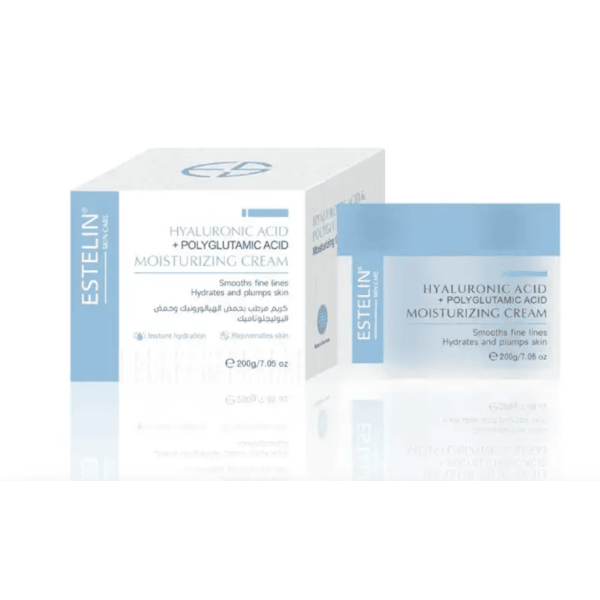
Polyglutamic acid (PGA) is one of the most technically impressive skin-plumping ingredients to have entered mainstream skincare formulation in recent years. Derived through fermentation of soybeans by Bacillus subtilis bacteria, it is a naturally derived polymer with water-binding capacity reported to be four times that of hyaluronic acid at comparable concentrations. Beyond its exceptional humectant capacity, PGA performs an additional function that hyaluronic acid does not: it inhibits the enzyme hyaluronidase, which breaks down the skin’s own natural hyaluronic acid, meaning PGA effectively extends the lifespan of the skin’s existing HA alongside introducing its own superior moisture-binding activity.
The Estelin Hyaluronic Acid and Polyglutamic Acid Moisturizing Cream combines PGA with hyaluronic acid and glycerin in a lightweight, fast-absorbing formula that creates one of the most comprehensive humectant stacks available in an accessible moisturiser. These three skin-plumping ingredients together cover water-binding across multiple mechanisms: PGA for high-capacity surface retention and HA preservation, hyaluronic acid for multi-depth hydration at different molecular weights, and glycerin for reliable baseline humectant activity that keeps the formula performing even when ambient humidity is low.
Pros:
- Polyglutamic acid binds water with four times the capacity of hyaluronic acid at comparable concentrations
- Inhibits hyaluronidase to extend the lifespan of the skin’s own natural hyaluronic acid content
- Combined with hyaluronic acid and glycerin for comprehensive multi-mechanism skin-plumping coverage
- Lightweight, non-greasy formula delivers intensive hydration suitable for all skin types
Cons:
- Polyglutamic acid is a relatively newer skin-plumping ingredient with a shorter long-term research base than hyaluronic acid
- Fast-absorbing formula may feel lighter than very dry skin types prefer as a standalone final moisturiser
How to Layer These Skin-Plumping Ingredients for Maximum Effect
Skin-plumping ingredients work best when layered strategically from lightest to heaviest texture. Humectant serums containing sodium PCA, ectoin, or polyglutamic acid go first on damp skin where they can draw the most available moisture. Barrier-repairing creams containing ceramides, urea, or panthenol go next as the sealing step that prevents the water drawn in by the humectants from evaporating. SPF in the morning protects the barrier from UV damage that would undo the plumping work.
At Perona Beauty, all seven products featured in this guide are available in store. Visit us at 120 Ogudu Road, Opposite Debonairs Pizza, Ogudu, Lagos, or at 42 Ademolu House, Ita Eko, Abeokuta. Our team will help you identify which skin-plumping ingredients suit your skin type and build a layered routine around them.
Your Skin Deserves More Than One Plumping Ingredient
The gap between skin that looks genuinely plump and healthy and skin that looks merely moisturised is almost always the gap between a routine built around one celebrated skin-plumping ingredient and one built around several complementary approaches working simultaneously. Urea for keratolytic hydration. Glycerin for reliable humectant coverage. Beta-glucan for hydration with healing. Sodium PCA for biological NMF replenishment. Panthenol for barrier repair alongside plumping. Ectoin for stress-protective cellular stability. Polyglutamic acid for superior water-binding capacity.
Each of these skin-plumping ingredients addresses a different dimension of what plump, healthy skin requires, and each of the seven products on this list delivers one of them with genuine formulation intelligence. Build the routine around the ingredients your skin needs most and give them the consistency they require to show what skin-plumping ingredients are truly capable of.
Frequently Asked Questions About Skin-Plumping Ingredients
Are skin-plumping ingredients the same as anti-ageing ingredients?
There is significant overlap. Many skin-plumping ingredients address the volume loss that makes skin look aged by drawing water into cells and supporting the structural matrix. However, true anti-ageing also requires collagen stimulation through retinoids and peptides. Skin-plumping ingredients produce visible volumising and smoothing, while anti-ageing actives produce structural improvement. The two categories are most effective when used together.
Can skin-plumping ingredients replace filler treatments?
No. Injectable fillers physically add volume beneath the skin surface in a way that topical skin-plumping ingredients cannot replicate. Topical plumping ingredients improve cellular hydration and surface appearance, producing a visible improvement in skin quality and a reduction in surface fine lines. They do not address the volume deficit beneath the surface that fillers correct.
Which skin-plumping ingredients work best for oily skin?
Lightweight humectants including sodium PCA, ectoin, and polyglutamic acid are the most appropriate skin-plumping ingredients for oily skin because they deliver cellular hydration without adding oil or heaviness. Panthenol in a lightweight formula also works well for oily skin that is simultaneously dehydrated and sensitive.
How long before skin-plumping ingredients produce visible results?
Immediate surface plumping from humectant activity is visible within the first application for most well-formulated skin-plumping ingredients. Longer-term improvement in skin density, barrier function, and sustained moisture retention from consistent use of barrier-building skin-plumping ingredients like ceramides, urea, and panthenol develops over four to eight weeks of daily application.