
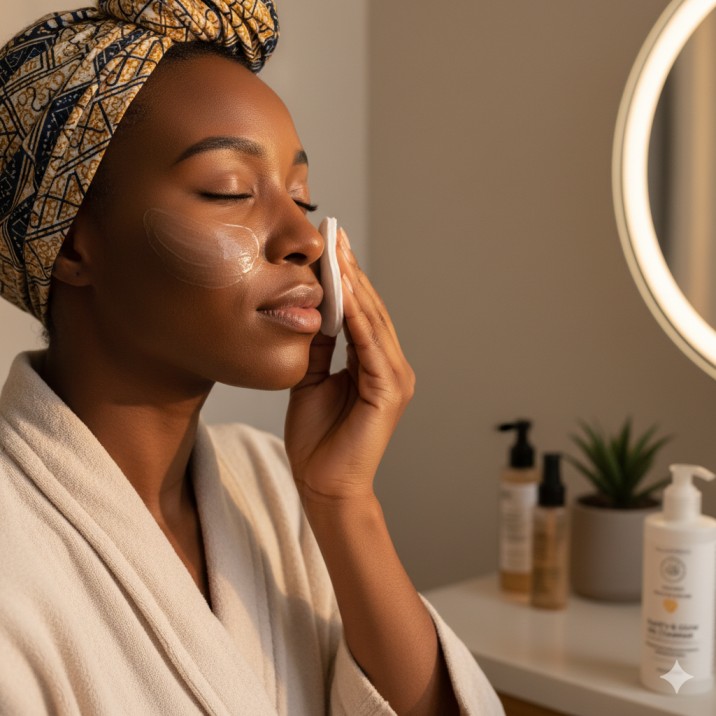
Most people reach for a facial cleanser out of habit; rinse, lather, repeat. But understanding what a facial cleanser actually does at a skin-biology level changes how you choose one, when you use it, and why the wrong formula can quietly damage your complexion over time.
This article goes beyond the basics. It covers the seven core functions of a facial cleanser, the trade-offs no one talks about, and why the formula matters more than the fragrance.
What Does a Facial Cleanser Do? The Short Answer
A facial cleanser removes dirt, excess oil, dead skin cells, make-up, sunscreen, and environmental pollutants from the surface of the skin. But that is the minimum. A well-formulated facial cleanser also preserves your skin’s acid mantle, supports the moisture barrier, and prepares the skin to absorb whatever you apply next. A poorly formulated one strips the barrier and triggers excess oil production, dryness, or irritation, the very problems people try to fix by washing more.
1. It Removes Surface Impurities Without Damaging the Barrier
The primary job of a facial cleanser is emulsification, binding to oil-based debris and water-based sweat or pollution so both rinse away together. This is the function most people understand. What they underestimate is the damage that over-cleansing or using a formula with a high pH can cause.
The skin’s natural pH sits between 4.5 and 5.5, mildly acidic. Many foaming facial cleansers are alkaline (pH 7–9), which disrupts the acid mantle, compromises tight junctions in the skin barrier, and leaves the skin more vulnerable to transepidermal water loss. The COSRX Low pH Good Morning Gel Cleanser is formulated specifically to address this; its mildly acidic pH cleanses without the post-wash tightness that signals barrier disruption.
2. It Maintains or Undermines Your Skin’s pH Balance
pH management is one of the most underappreciated functions of a facial cleanser. Every application shifts your skin’s surface pH. If the cleanser is too alkaline, beneficial bacteria are disrupted, barrier lipids are degraded, and enzymes that regulate natural exfoliation are deactivated.
A pH-balanced facial cleanser keeps the skin environment stable, which matters especially if you follow cleansing with actives like retinol or AHAs that work within a specific pH window. Using an alkaline cleanser before an acid toner is counterproductive; the skin must spend time re-acidifying before the active can function optimally.
3. It Delivers Active Ingredients During Cleansing
Modern facial cleansers do more than wash. Many now carry functional ingredients that act during the brief contact time on the skin. Niacinamide brightens and supports ceramide synthesis. Salicylic acid exfoliates inside pores. Green tea polyphenols neutralise free radicals. Hyaluronic acid draws moisture in while the formula is still on the face.
The Face Facts Enhance Gel-Cream Cleanser combines niacinamide and vitamin E, two ingredients with complementary roles. Niacinamide regulates sebum and visibly evens skin tone; vitamin E, as a fat-soluble antioxidant, helps neutralise oxidative stress caused by pollution. The gel-to-cream texture supports comfortable removal without stripping the skin.
The Uncover I Am Energised Green Tea Revitalising Cleanser takes an antioxidant-first approach. Green tea extract is rich in EGCG (epigallocatechin gallate), a polyphenol shown to reduce inflammation and minimise free radical damage. It is particularly effective as a morning facial cleanser for urban skin exposed to daily pollution.
4. It Prepares the Skin to Absorb What Comes Next
A facial cleanser is not an endpoint; it is the first step in a system. Clean skin has a higher absorption rate than skin coated in a thin film of sebum, SPF residue, or pollutants. The serum, moisturiser, or treatment you apply after cleansing penetrates more effectively when the canvas is properly prepared.
This is why the texture and finish of a facial cleanser matter. A cleanser that leaves a residue or overly strips the skin creates a compromised base. The CeraVe Hydrating Cleanser, formulated with ceramides and hyaluronic acid, ensures the skin retains moisture immediately post-cleanse, making subsequent product absorption more efficient rather than less.
5. It Supports Healthy Skin Cell Turnover
Some facial cleansers include mild chemical exfoliants, most commonly salicylic acid (BHA) or lactic acid (AHA), that assist in loosening the bonds between dead skin cells at the surface. This gentle acceleration of natural desquamation reveals fresher skin underneath and prevents congestion.
The CeraVe Renewing SA Cleanser uses salicylic acid alongside ceramides. Salicylic acid is oil-soluble, meaning it can penetrate into pores to dissolve debris at the source, not just at the surface. For rough, bumpy, or congested skin, on the face and body, this dual action of exfoliation and barrier support makes it a versatile daily option.
The common mistake is assuming that any tingling or tightness means a cleanser is working harder. In practice, that sensation often signals over-exfoliation or pH mismatch, not efficacy.
6. It Manages Oil and Sebum Production (Without Making It Worse)
A facial cleanser affects the skin’s oil levels, but not always in the direction people expect. Harsh, high-pH cleansers strip natural lipids, which triggers a compensatory surge in sebum production. This is why people who over-cleanse often end up oilier than before.
Conversely, a well-balanced facial cleanser removes excess sebum without signalling the skin to produce more. The COSRX Low pH Good Morning Gel Cleanser is particularly suited to oily and combination skin precisely because it cleans effectively at a pH that doesn’t disrupt the feedback loop between barrier integrity and sebum regulation.
At Uncover Skincare, the formulation philosophy is grounded in this balance, understanding that skin reacts to what you remove as much as what you leave behind.
7. It Reduces the Microbial Load That Causes Breakouts
The skin surface hosts a diverse microbiome, some strains are beneficial, others problematic when conditions shift. Excess sebum, dead cells, and occlusive product residue create an environment where C. acnes and other bacteria thrive. A facial cleanser reduces the substrate on which these microbes feed, lowering the likelihood of inflammation and breakouts.
This does not mean cleansers should be antibacterial. Antibacterial facial cleansers risk disrupting beneficial bacteria alongside harmful ones. The goal is a clean, balanced environment, not a sterile one.
Product Round-Up: 5 Facial Cleansers Worth Knowing
Face Facts Enhance Gel-Cream Cleanser
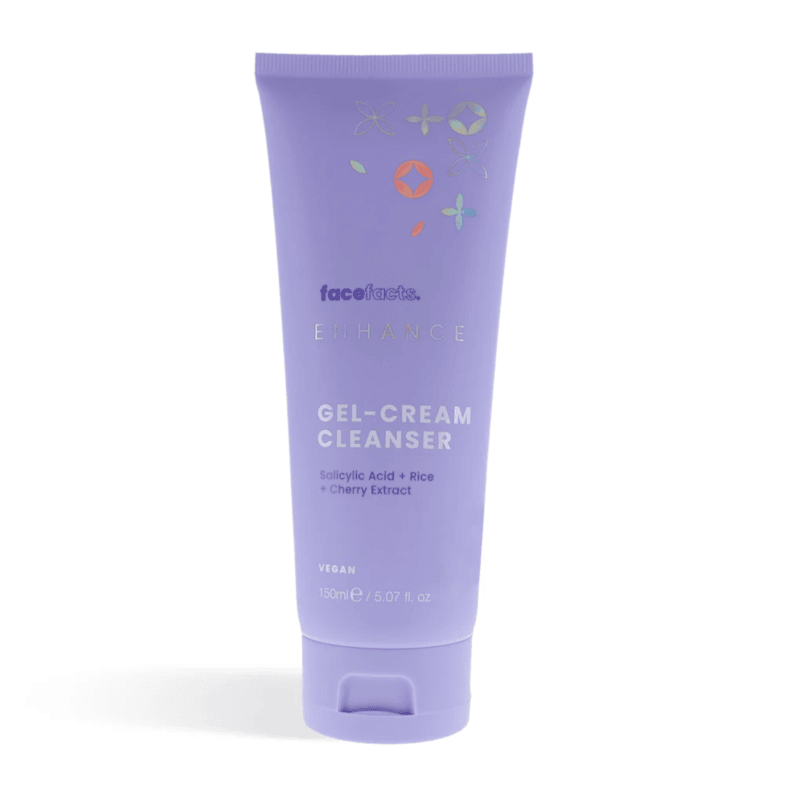
A dual-texture facial cleanser enriched with niacinamide and vitamin E. Suitable for all skin types. The niacinamide content makes it particularly effective for those dealing with uneven tone or mild congestion.
Pros:
- Niacinamide supports barrier function and brightens skin tone
- Gel-to-cream texture is comfortable across skin types
- Vitamin E provides antioxidant protection during cleansing
- Suitable for both AM and PM use
Cons:
- Shorter contact time limits full niacinamide efficacy
- May not be sufficient as a standalone cleanser for heavy make-up or SPF
Uncover I Am Energised Green Tea Revitalising Cleanser
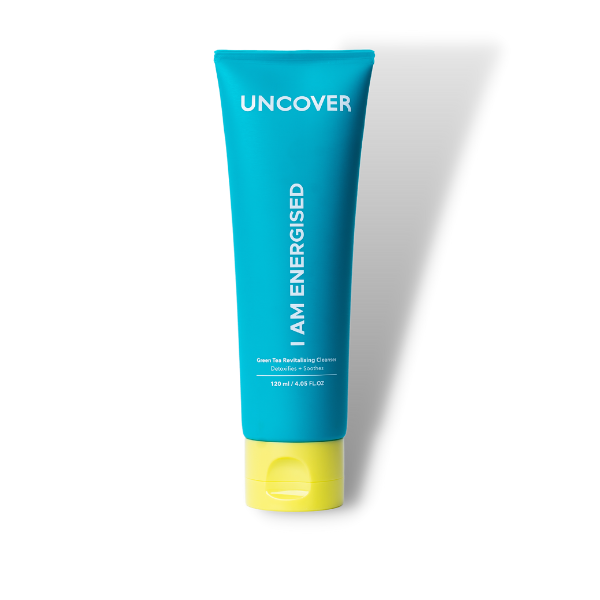
A refreshing gel-based facial cleanser infused with antioxidant-rich Green Tea extract. Ideal as a morning cleanser for skin exposed to daily environmental stress.
Pros:
- EGCG-rich green tea actively neutralises free radicals
- Lightweight gel formula rinses cleanly without residue
- Energising sensory experience suited to morning routines
- Non-stripping, leaves skin feeling refreshed, not tight
Cons:
- Not formulated for heavy make-up removal
- Those sensitive to botanical extracts should patch test first
COSRX Low pH Good Morning Gel Cleanser
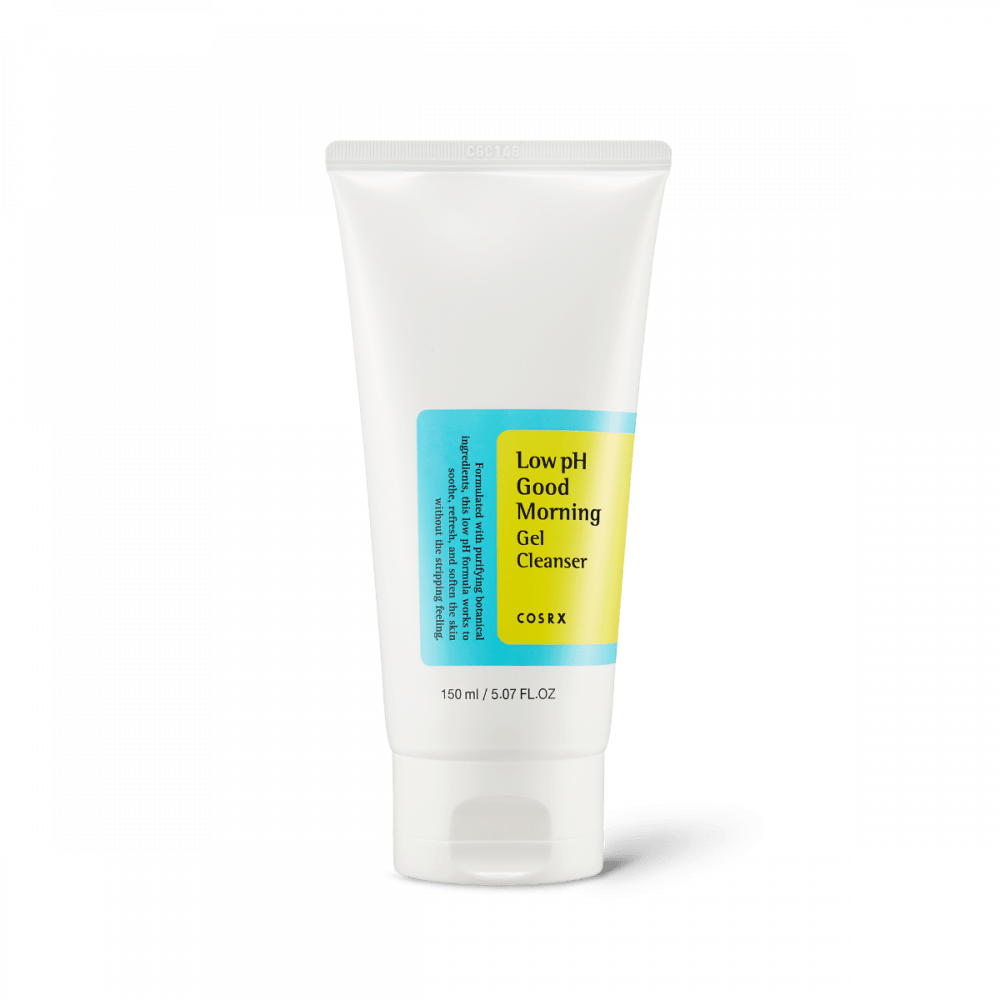
A mildly acidic gel facial cleanser formulated to respect the skin’s natural pH. Excellent for daily use, particularly for oily and combination skin types.
Pros:
- Mildly acidic pH protects the acid mantle
- Gentle enough for twice-daily use without barrier compromise
- Prepares skin optimally for subsequent pH-sensitive actives
- Lightweight gel that leaves no film
Cons:
- Minimal additional functional ingredients beyond cleansing
- Not suited to dry skin needing hydration during the cleanse
CeraVe Renewing SA Cleanser
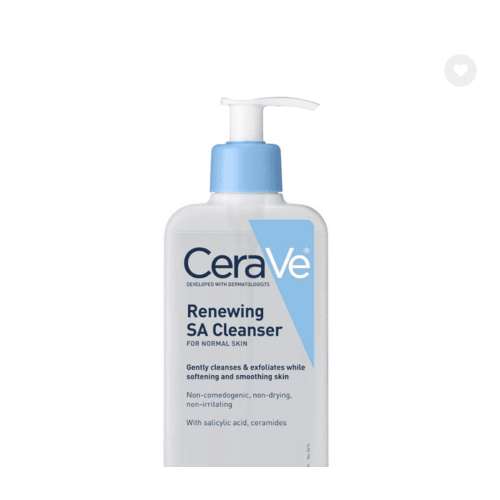
A salicylic acid-based facial cleanser that combines chemical exfoliation with ceramide-fortified barrier support. Effective for rough or bumpy skin on face and body.
Pros:
- Salicylic acid exfoliates inside pores to address congestion at the source
- Ceramide complex actively repairs the moisture barrier
- Dual-use for face and body, excellent value at 12oz
- Non-stripping despite its exfoliant content
Cons:
- Not ideal for sensitive skin or active rosacea
- Should not be combined with other strong exfoliants without care
CeraVe Hydrating Cleanser
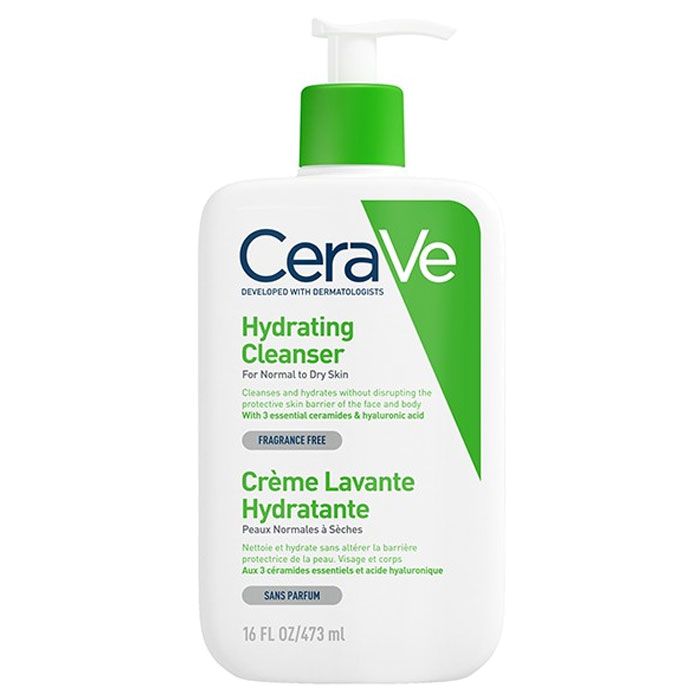
A fragrance-free, ceramide-rich facial cleanser formulated for all skin types, particularly dry and sensitive. Hyaluronic acid and three essential ceramides maintain moisture throughout the cleansing process.
Pros:
- Ceramides and hyaluronic acid actively support skin hydration
- Fragrance-free, suitable for reactive or sensitised skin
- 16oz size offers excellent longevity for daily use
- Thorough cleanse without any drying effect
Cons:
- Creamier finish may not appeal to oily skin types
- Not an option for those needing exfoliation alongside cleansing
What This Means for Your Routine
The facial cleanser you choose is not a passive step, it sets the conditions for everything that follows. A formula that disrupts your pH makes actives less effective. One that strips your barrier increases sensitivity to everything you apply. One that simply doesn’t clean thoroughly enough means impurities remain, reducing the efficacy of serums and treatments.
Think of your facial cleanser as the foundation of your skin health, not just a product you use before the “real” skincare. At Uncover Skincare, this philosophy shapes every formulation decision, because clean skin is not just an absence of dirt. It is a carefully calibrated biological environment primed to receive, respond, and recover.
Choosing deliberately means asking: does this cleanser clean without compromising? Does it work with my skin type and routine, not against it? The answer should come from the ingredient list, not the label claim.
Frequently Asked Questions About Facial Cleansers
Should you use a facial cleanser morning and night?
Yes, for most skin types, but the formula used can differ. In the morning, a gentle or gel-based facial cleanser removes overnight sebum and product residue without over-stripping. In the evening, a more thorough cleanse removes the day’s accumulated impurities. Those with very dry or sensitive skin may prefer water alone in the morning and their full facial cleanser at night.
Can the wrong facial cleanser cause breakouts?
Yes. A high-pH cleanser disrupts the acid mantle and creates conditions where C. acnes proliferates. A cleanser with comedogenic ingredients can physically block pores. And one that over-dries the skin triggers excess sebum production, a direct contributor to congestion. Choosing the right facial cleanser is as important as choosing the right treatment.
What is the difference between a gel cleanser and a cream cleanser?
Gel cleansers are water-based, lighter, and better suited to oily or combination skin. They rinse cleanly with minimal residue. Cream and gel-cream cleansers contain emollients suited to dry or sensitive skin. A gel-to-cream facial cleanser like the Face Facts Enhance formula bridges both textures, starting light and becoming creamy on contact.