

Finding the best night time serum can transform your skin while you sleep. Night-time is when the skin repairs itself, absorbs nutrients more effectively, and responds best to targeted treatments. A well-formulated serum can fade dark marks, smooth texture, brighten dullness, calm inflammation, and support long-term skin health. This guide breaks down everything you need to know about choosing the best night time serum, along with five top options worth adding to your routine.
Understanding What Makes the Best Night Time Serum Effective
A night serum works differently from a day serum. During sleep, your skin shifts into recovery mode. This natural repair cycle allows the best night time serum to penetrate more deeply and support regeneration. Night-time skincare focuses on renewal, correction, and restoring balance so your skin looks fresher by morning.
Why Night-Time Serums Work Better While You Sleep
Your skin loses water overnight. Oil production slows down. Cell turnover increases. This creates a perfect window for concentrated actives to work without the interference of sunlight or pollution. Ingredients that may cause sensitivity during the day, like retinol or glycolic acid, perform best at night because the skin isn’t exposed to UV rays.
Key Ingredients To Look For in the Best Night Time Serum
The best night time serum will contain ingredients that support renewal and correction:
- Retinol for boosting cell turnover and improving texture.
- Niacinamide for soothing and refining pores.
- Glycolic acid for gentle exfoliation.
- Kojic acid, licorice root, and tranexamic acid for fading dark spots.
- Hyaluronic acid for deep hydration at night.
- Soothing antioxidants to support barrier recovery.
Hydration-Focused Ingredients
Night-time dryness is common. Serums with hyaluronic acid, ceramides, and glycerin keep the skin balanced and prevent irritation from stronger actives.
Brightening Ingredients
Kojic acid, niacinamide, licorice root, and tranexamic acid work well overnight. They fade uneven patches and help restore uniform clarity.
Texture-Renewing Ingredients
Glycolic acid and retinol support smoother texture, refined pores, and a healthier glow by morning.
How To Choose the Best Night Time Serum for Your Skin Type
The best night time serum is different for each skin type. What works for oily skin may overwhelm sensitive skin. What benefits dullness may not work for fine lines.
Oily and Congested Skin Types
Look for exfoliating or refining serums that include:
- Glycolic acid
- BHA blends
- Lightweight textures
They prevent build-up and keep pores smooth.
Dry and Dehydrated Skin Types
Choose serums with:
- Hyaluronic acid
- Niacinamide
- Nourishing botanical extracts
These hydrate the skin and support barrier repair.
Sensitive and Reactive Skin Types
Opt for soothing and barrier-friendly serums that avoid harsh exfoliants. Retinol in encapsulated or gentle forms can also work if introduced slowly.
The 5 Best Night Time Serum Options Worth Adding to Your Routine
Below are the top contenders for the best night time serum title, each one addressing different skin concerns with strong, thoughtful formulations.
1. Koji White Dark Spot Brightening Serum
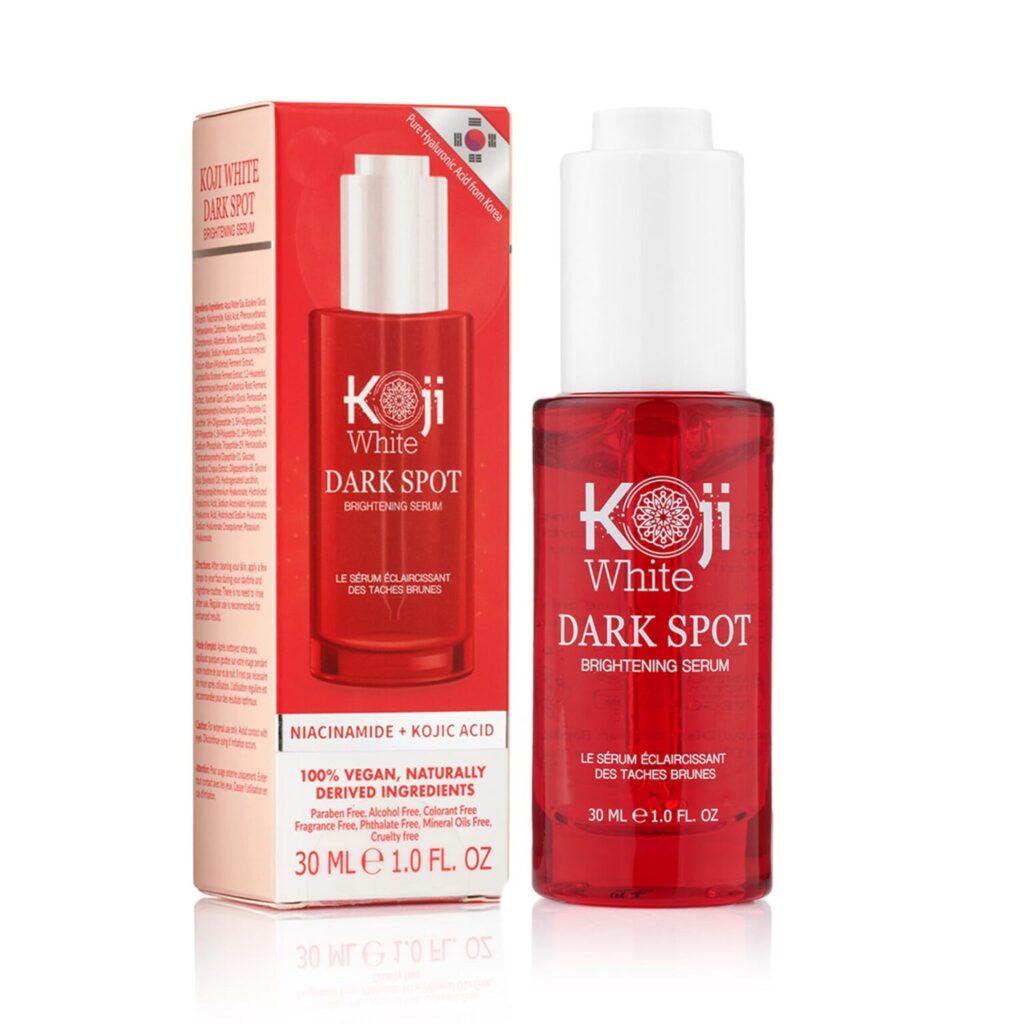
A lightweight formula created to improve uneven skin tone while supporting moisture levels through the night. The texture sits between a gel and a fluid, allowing it to glide easily across the skin without any sticky residue. Once absorbed, it leaves a soft, hydrated finish that prepares the skin for night-time repair.
This serum combines Niacinamide with Kojic Acid, two ingredients known for helping skin appear clearer and more even. Together, they work through the night to soften the look of dark spots and dullness. With repeated use, the skin looks brighter, smoother, and more uniform. It suits all skin types, including those prone to occasional sensitivity, because the formula keeps hydration in balance while delivering brightening benefits.
Pros
- Helps soften the appearance of dark spots and uneven tone with steady nightly use.
- Lightweight texture absorbs quickly and layers well with night moisturisers.
- Supports hydration, reducing the chance of dryness or tightness while brightening.
- Leaves the complexion looking smoother and visibly refreshed by morning.
Cons
- May take time for deeper pigmentation marks to appear less noticeable.
- Users sensitive to Kojic Acid may need to introduce it slowly.
2. Nineless Molecule-Clear 5% Glycolic Acid Serum
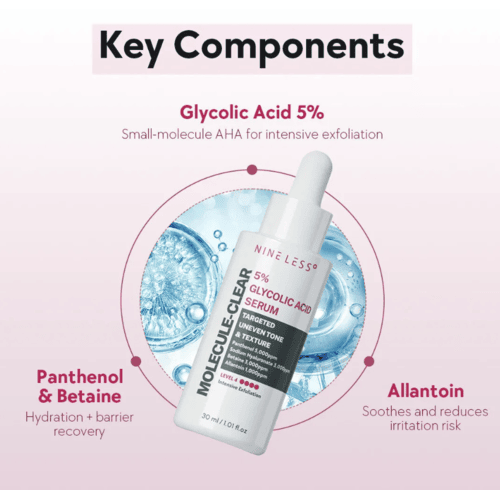
This exfoliating serum is developed to lift dull, dead skin cells from the surface, helping the complexion appear smoother and brighter over time. Its 5% Glycolic Acid level offers gentle but effective exfoliation suitable for regular night-time use, especially for those who want to improve texture and tone without harshness.
The fluid formula glides on softly and disappears quickly, making it ideal as the first step after cleansing. With consistent use, the skin feels softer, looks clearer, and reflects light more evenly. It also helps with rough patches, early signs of congestion, and lack of radiance. Though active, it maintains hydration, which allows it to work without leaving the skin tight.
Pros
- Gently exfoliates dull, rough surface skin for a smoother morning finish.
- Helps reduce the look of uneven tone with consistent nightly use.
- Lightweight, water-like texture makes it easy to layer with other products.
- Supports hydration while exfoliating, preventing excessive dryness.
Cons
- May cause mild tingling for those new to acids.
- Not ideal for nights when using stronger actives like retinol.
3. Some By MI Retinol Intense Reactivating Serum
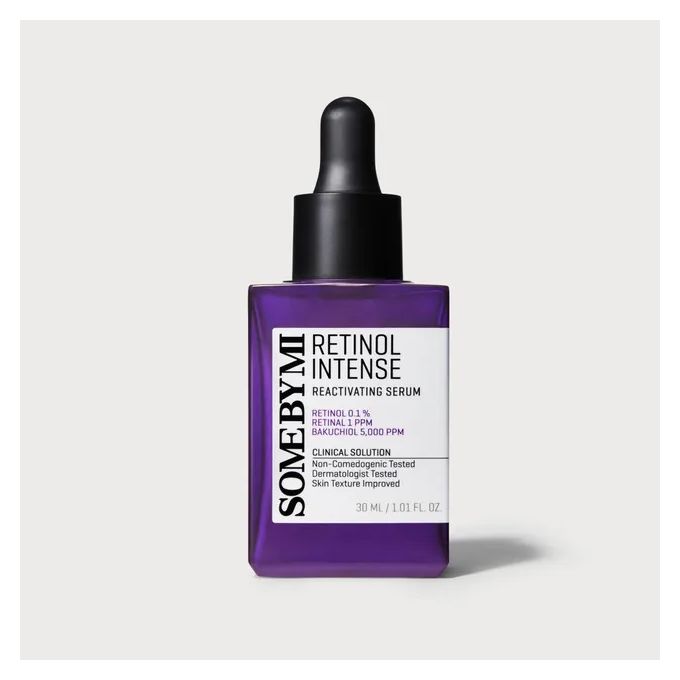
This serum pairs retinol, retinal, and bakuchiol to support elasticity, refine texture, and soften the look of fine lines during sleep. The formula uses a technology designed to deliver actives deeply yet comfortably. This allows even sensitive skin to enjoy the renewing benefits of retinoids with less irritation.
The texture feels silky and nourishing without heaviness. Once applied, it sinks into the skin and supports moisture all night, helping the complexion stay calm while the active ingredients work. With regular use, the skin appears firmer, clearer, and more youthful.
Pros
- Combines retinol, retinal, and bakuchiol for a balanced, effective night treatment.
- Supports elasticity and refines the appearance of fine lines over time.
- Hydrating finish helps reduce dryness commonly associated with retinoids.
- Formulated to be gentle enough for users with occasional sensitivity.
Cons
- Should be introduced gradually for those new to retinol.
- Requires consistent night-time SPF usage during the day.
4. Uncover Licorice Root Dark Spot Serum
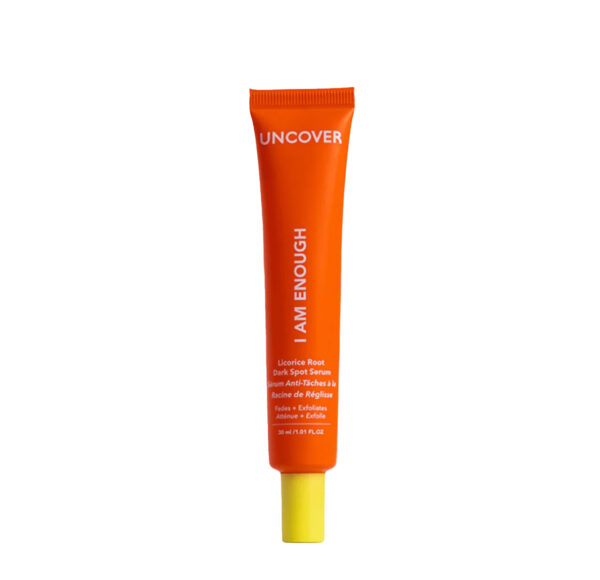
This brightening serum focuses on reducing the look of dark spots, post-acne marks, and general uneven tone. Powered by Licorice Root Extract, Niacinamide, and Tranexamic Acid, it works overnight to target dullness and help the complexion appear clearer.
The formula feels calming, making it friendly for those who want brightening benefits without harsh exfoliation. It spreads like a lightweight lotion-serum blend, giving the skin a soft glow as it dries. Over several weeks, the skin looks more radiant and balanced.
Pros
- Helps fade the appearance of dark spots and post-acne marks with steady use.
- Calming formula makes brightening accessible for sensitive or reactive skin.
- Niacinamide supports smoother, more balanced-looking skin.
- Comfortable texture that layers well with other night treatments.
Cons
- Not an instant-results formula; improvements show gradually.
- May feel too light for users who prefer richer night serums.
5. La Roche-Posay MelaB3 Serum Intense Anti-Dark Spot Serum
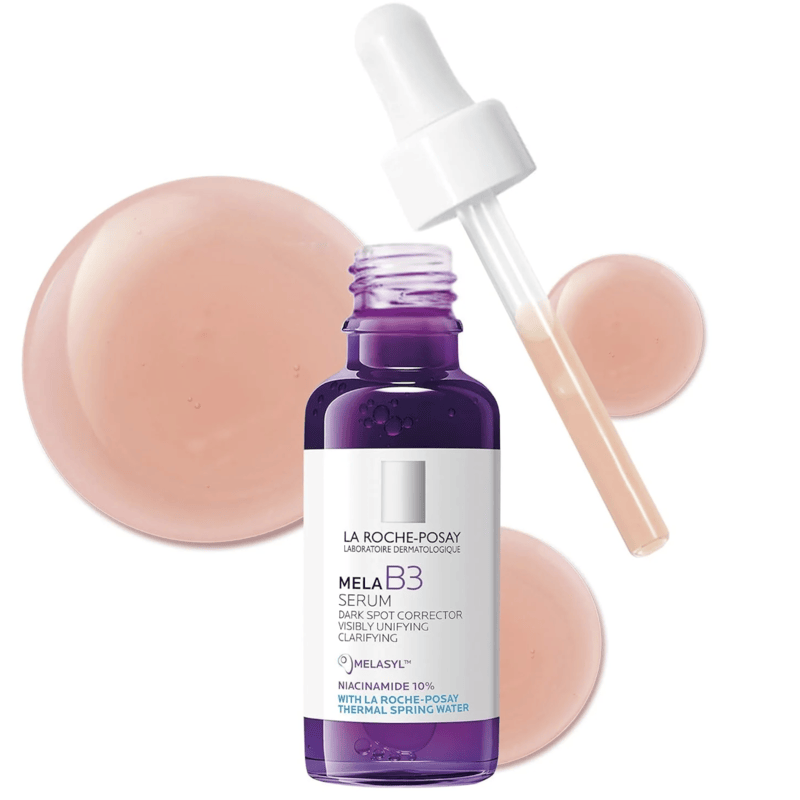
A targeted night serum created to brighten and refine uneven tone. It is powered by Niacinamide, Melasyl, and the brand’s well-known Thermal Spring Water, offering a blend that supports clarity, comfort, and balance.
The serum has a silky gel texture that feels cooling on the skin. It sinks in quickly and delivers hydration while targeting visible pigmentation concerns. With consistent use, the complexion appears smoother, more even, and more luminous. This formula suits a wide range of skin types, including drier skin, because of its soothing finish.
Pros
- Helps reduce the look of dark spots and discolouration with consistent use.
- Gentle formula that supports hydration and comfort during night repair.
- Smooth, gel-like texture absorbs easily without stickiness.
- Works well alongside a night-time moisturiser or hydrating serum.
Cons
- Users with deep, long-standing pigmentation may require extended use.
- Mild scent may not suit those who prefer fragrance-free products.
How To Use the Best Night Time Serum for Maximum Results
Using the best night time serum correctly is just as important as choosing the right one. The skin behaves differently at night. Hydration drops, repair increases, and active ingredients absorb more efficiently. A structured routine helps you get the most from any formula you choose.
Layering Products Correctly
Layering plays a major role in how well a serum performs. A few simple rules keep things effective and irritation-free.
- Start with a gentle cleanse.
Dirt, oil, and SPF residue block penetration. Cleansing resets the skin so your best night time serum can work deeper. - Apply your serum on dry skin.
Damp skin increases absorption. This can be helpful with hydrating serums, but it may irritate the skin when using retinol or acids. - Follow with a moisturiser.
A night moisturiser seals in serums, preventing water loss and supporting the repair cycle. - Use one strong active at a time.
For example, do not mix retinol with glycolic acid in the same routine unless your skin is trained for it.
Building Tolerance Gradually
Even the best night time serum needs a slow introduction. Skin adapts over time, and this reduces any risk of tightness or discomfort.
- Start with two to three nights per week.
- Increase frequency slowly after two weeks.
- Pair active serums with calming moisturisers containing ceramides, peptides, or hyaluronic acid.
- If redness appears, reduce frequency temporarily.
Consistency is more important than speed. When used steadily, the best night time serum improves clarity, texture, smoothness, and overall skin tone over several weeks.
Choosing Your Ideal Best Night Time Serum
Choosing the best night time serum is about matching the formula to your skin’s needs. If your concern is texture, choose ingredients that renew the surface. If your goal is brightness, look for pigmentation-targeting blends. If hydration is your priority, choose calming and moisture-rich formulas.
Night-time skincare is your skin’s chance to recharge. When supported by the best night time serum, your skin wakes up smoother, clearer, brighter, and more balanced. Consistency matters. A few minutes each night build long-term radiance.
Shop your best night time serum at Perona Beauty for trusted, skin-loving options designed to elevate your nightly routine.
Frequently Asked Questions About the Best Night Time Serum
1. Can I use more than one serum in my night routine?
Yes, but avoid layering multiple strong actives at once. You can combine a hydrating serum with your best night time serum, but stick to one corrective active to keep irritation low.
2. How long before I see results from my night serum?
Most users notice early improvements within four weeks. Smoother texture and reduced dullness appear first. Pigmentation and fine-line changes take longer, usually eight to twelve weeks of consistent use with your chosen best night time serum.
3. Can sensitive skin handle night serums with acids or retinol?
Sensitive skin can still use the best night time serum, but choose gentle formulations. Start slowly and avoid harsh combinations. Moisturiser buffering helps reduce irritation.
4. Should I use sunscreen even if the serum is applied only at night?
Yes. Ingredients like glycolic acid, retinol, and tranexamic acid increase sun sensitivity. Daily SPF protects progress made with your best night time serum.
5. Can I use a night serum every single night?
Yes, once your skin builds tolerance. Some formulas are suitable for nightly use from the start, especially hydrating or brightening serums. Stronger actives require a gradual introduction.
6. What makes a serum better than a night cream?
Serums contain smaller molecules and higher concentrations of active ingredients. This allows the best night time serum to penetrate deeper and correct concerns faster than a cream alone.