
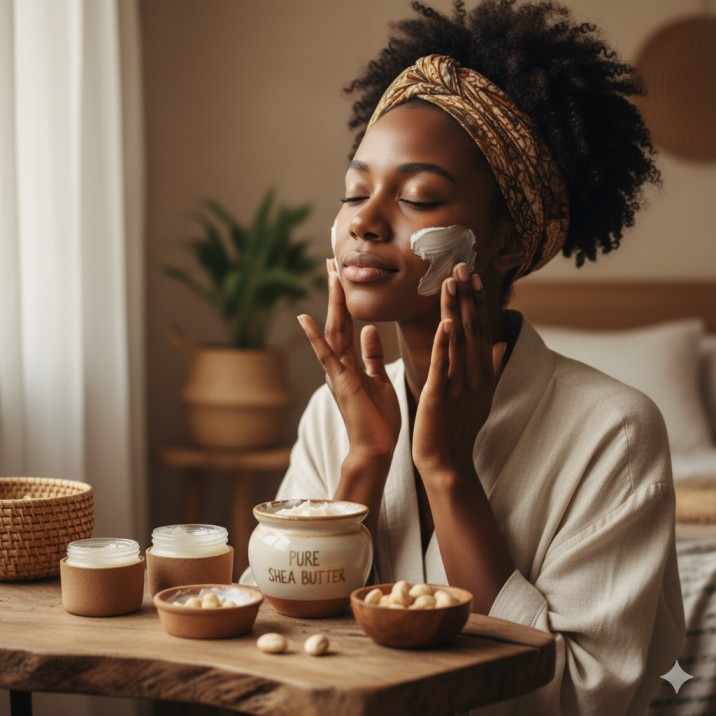
Shea butter has earned its place in modern beauty routines not because of trends but because of performance. Long before complex formulations and synthetic actives dominated shelves, shea butter was already doing the work of restoring dry skin, protecting the barrier, and improving comfort.
Today, shea butter for skincare remains one of the most reliable ingredients for hydration and skin resilience. Its versatility across lotions, body washes, and oils makes it suitable for daily use, especially for skin that struggles with dryness, sensitivity, or dullness.
This article explores why shea butter for skincare continues to matter, how it works across different product formats, and which formulations make the most of its benefits.
Why Shea Butter Still Matters in Modern Skincare
Many skincare ingredients promise quick results. Shea butter offers something different. It supports the skin slowly, consistently, and without disruption.
Derived from the nuts of the shea tree known as Vitellaria paradoxa, shea butter is rich in fatty acids, antioxidants, and skin-repairing compounds. These properties make shea butter for skincare especially valuable for maintaining the skin barrier, which plays a central role in hydration and protection.
When the barrier is healthy, skin retains moisture more effectively, reacts less to environmental stress, and feels more comfortable throughout the day.
Benefits of Shea Butter for Skincare
The value of shea butter for skincare lies in how many functions it performs at once without overwhelming the skin.
Shea butter helps:
- Restore moisture by sealing water into the skin
- Soften rough or flaky texture caused by dryness
- Protect the skin barrier from environmental stress
- Improve skin comfort for sensitive or reactive skin
Unlike heavier occlusives, shea butter contains natural compounds that allow it to nourish while still letting the skin breathe. This balance explains why shea butter for skincare appears in products designed for both intense moisture and everyday maintenance.
How Shea Butter Works Across Different Skincare Products
Shea butter adapts well to multiple formats, which is why it appears in lotions, washes, and oils.
In body lotions, it provides long-lasting hydration and improves elasticity. In body washes, it reduces post-cleansing tightness. In oils, it seals moisture and adds softness without leaving skin feeling stripped or brittle.
Using shea butter for skincare across multiple steps can improve overall skin comfort, especially for dry or climate-stressed skin.
Body Lotions With Shea Butter: Deep Hydration That Lasts
Body lotions are where shea butter often delivers its most noticeable benefits. These products remain on the skin long enough to support barrier repair and sustained moisture.
Medix Niacinamide + Shea Butter Body Cream
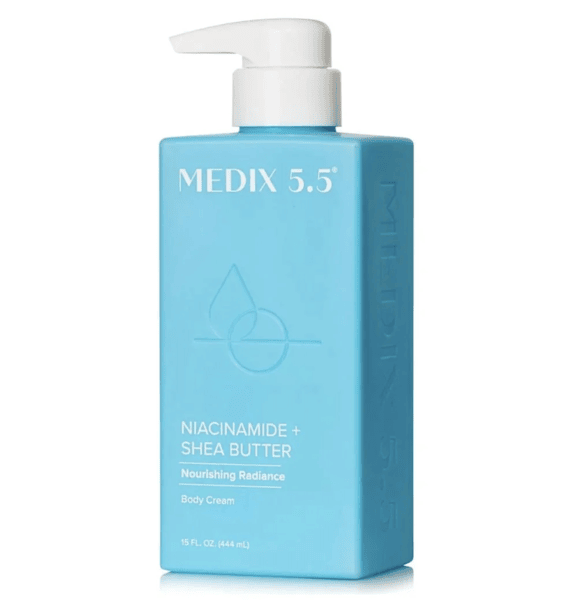
This body cream combines shea butter with niacinamide, creating a formula that focuses on hydration and tone improvement at the same time.
Shea butter delivers moisture and softness, while niacinamide supports elasticity and helps improve uneven-looking skin. The cream texture feels rich but absorbs without leaving heavy residue, making it suitable for regular use.
Pros
- Provides long-lasting hydration for dry skin
- Shea butter improves softness and comfort
- Niacinamide supports smoother, more even-looking skin
- Cream texture spreads easily and absorbs well
Cons
- Texture may feel heavy for those who prefer lightweight lotions
- Results on uneven tone develop gradually
Palmers Shea Formula Raw Shea Body Lotion
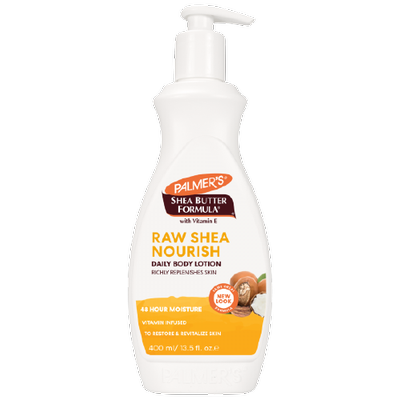
Palmers has built its reputation around dependable, ingredient-led formulations. This lotion centres raw shea butter as its core moisturising agent, supported by vitamin E.
Designed for dry and sensitive skin, it focuses on nourishment rather than cosmetic finish. The formula delivers extended hydration and improves skin comfort with continued use.
Pros
- Rich shea butter content deeply nourishes dry skin
- Provides long-lasting moisture throughout the day
- Suitable for sensitive and reactive skin
- Ethically sourced shea butter supports sustainable skincare
Cons
- Lotion texture may feel rich for humid climates
- Absorption takes longer than lighter formulas
Shea Butter in Body Washes: Cleansing Without Stripping
Cleansing is often where dryness begins. Body washes containing shea butter help counteract the moisture loss that typically follows bathing.
Using shea butter for skincare in cleansers helps the skin feel comfortable immediately after rinsing, rather than tight or dry.
Dove Pampering with Shea Butter and Warm Vanilla Body Wash
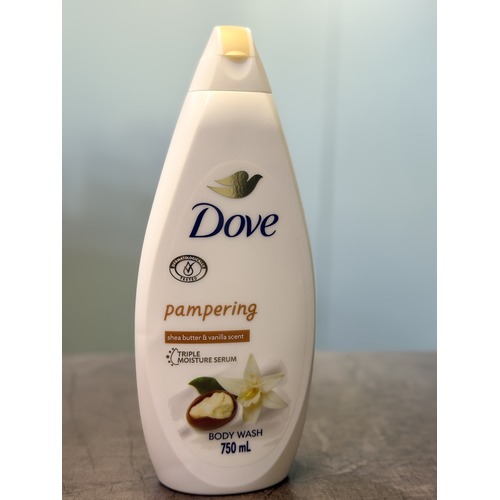
This body wash focuses on gentle cleansing paired with skin conditioning. Shea butter helps maintain moisture, while the warm vanilla scent adds a sensory element to daily cleansing.
The formula cleans without harsh surfactants, making it suitable for regular use.
Pros
- Cleanses without stripping the skin
- Shea butter helps maintain softness after washing
- Creamy lather feels gentle on the skin
- Suitable for everyday use
Cons
- Fragrance may not suit scent-sensitive users
- Moisturising effect depends on consistent use
St Ives Soothing Body Wash Oatmeal and Shea Butter
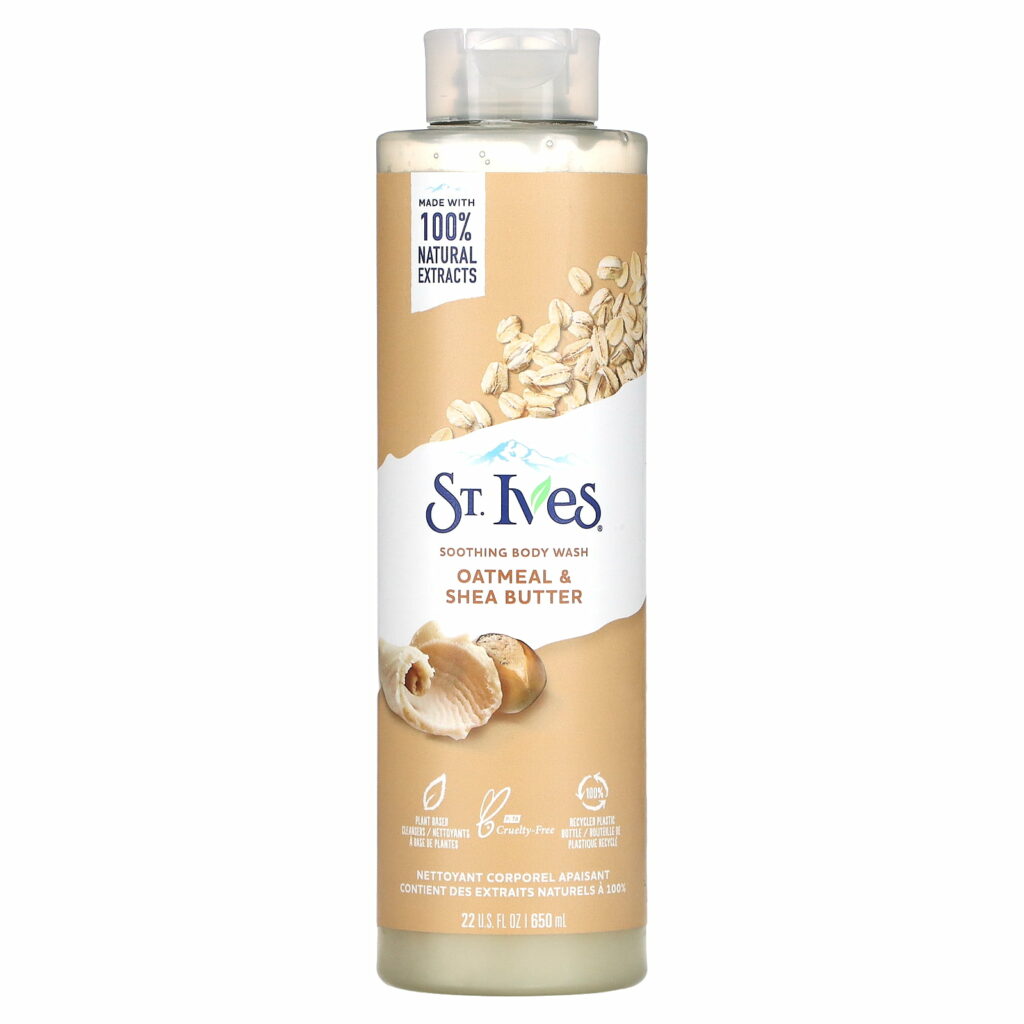
This body wash combines shea butter with oatmeal to support skin comfort. The formulation focuses on soothing and nourishment rather than intense cleansing.
It works well for skin that feels dry, irritated, or uncomfortable after washing.
Pros
- Gentle cleansing suitable for dry skin
- Shea butter and oatmeal calm skin discomfort
- Leaves skin feeling soft after rinsing
- Suitable for frequent use
Cons
- Not designed for deep exfoliation
- May feel mild for those who prefer stronger cleansers
Shea Butter in Body Oils: Locking in Moisture
Body oils enriched with shea butter work best when applied after bathing. They seal in moisture and add a healthy sheen without compromising comfort.
Using shea butter for skincare in oil form is especially helpful for skin that loses moisture quickly.
Dr Teal’s Moisturising Bath & Body Oil with Shea Butter
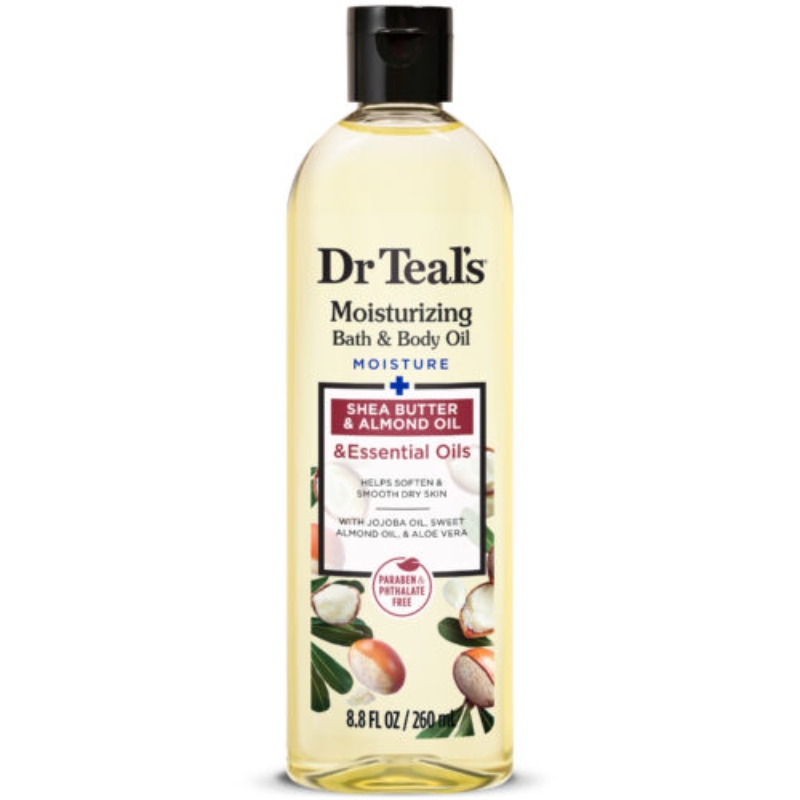
This oil blends shea butter with essential oils to deliver hydration and softness. It can be used during baths or applied directly to damp skin after showering.
The result is skin that feels nourished rather than coated.
Pros
- Locks in moisture effectively
- Enhances skin softness and glow
- Versatile use for bath or post-shower care
- Suitable for dry and dull skin
Cons
- Oil texture may feel heavy for some users
- Requires careful application to avoid slippery surfaces
Who Benefits Most From Shea Butter for Skincare
Shea butter is often associated with dry skin, but its benefits extend far beyond that category. Shea butter for skincare works well for anyone whose skin barrier needs support, whether due to climate, lifestyle, or natural skin type.
People with dry or flaky skin benefit from its ability to seal in moisture and reduce rough texture. Those with sensitive skin often appreciate how shea butter improves comfort without triggering irritation. Even normal skin types can use shea butter for skincare to maintain softness and resilience, particularly during periods of environmental stress.
Because shea butter supports the barrier rather than altering skin behaviour, it remains suitable for long-term use.
How to Use Shea Butter Products Without Overloading the Skin
One of the strengths of shea butter for skincare is its adaptability. However, using too many rich products at once can leave skin feeling heavy.
When shea butter appears in multiple products, balance matters. A rich body lotion pairs well with a lighter cleanser. A nourishing oil works best when the skin is slightly damp. This approach allows the skin to absorb what it needs without excess residue.
Layering shea butter-based products thoughtfully improves comfort and prevents buildup.
Common Misconceptions About Shea Butter for Skincare
A common belief is that shea butter clogs pores. In reality, shea butter is considered low on the comedogenic scale and is generally well tolerated when properly formulated.
Another misconception is that shea butter only suits extremely dry skin. While it excels in that area, shea butter for skincare also supports normal and combination skin by strengthening the barrier and preventing moisture loss.
Some assume natural ingredients lack effectiveness. Shea butter’s continued use across generations proves that simplicity and performance can coexist.
Why Shea Butter Remains Relevant Despite New Skincare Trends
Trends shift quickly, but skin biology does not. The barrier still needs lipids. Moisture still evaporates without protection. Environmental stress still affects skin comfort.
Shea butter addresses these fundamental needs. This is why shea butter for skincare continues to appear in formulations designed for reliability rather than novelty. It delivers results that remain visible and consistent over time.
Shea Butter for Skincare
Shea butter has lasted in skincare because it solves real problems. It protects the barrier, reduces dryness, and improves skin comfort without demanding complicated routines.
Shea butter for skincare works quietly. It does not promise instant transformation, but it delivers consistent improvement through nourishment and protection. That reliability is what keeps it relevant across generations and formulations.
For anyone seeking skincare that supports the skin rather than challenges it, shea butter remains a dependable choice that continues to earn its place on the shelf.
Frequently Asked Questions About Shea Butter for Skincare
Is shea butter suitable for sensitive skin?
Yes. Shea butter is known for its soothing properties and is often well tolerated by sensitive skin. Shea butter for skincare helps improve comfort by supporting the skin barrier rather than irritating it.
Can shea butter be used daily on the body?
Yes. Shea butter-based products are designed for regular use. Daily application helps maintain hydration and prevent dryness, especially in changing climates.
Does shea butter help with uneven skin texture?
Shea butter does not exfoliate, but it improves texture by softening rough areas and reducing dryness. Over time, shea butter for skincare helps the skin feel smoother and more supple.
Is shea butter better in lotions or oils?
Both formats offer benefits. Lotions provide balanced hydration, while oils help seal in moisture. The best choice depends on skin preference and texture tolerance.
Can shea butter be used all year round?
Yes. Shea butter adapts well across seasons. It supports hydration during colder months and maintains skin comfort during warmer periods when used in lighter formulations.