
If you’ve ever stood in front of a mirror wondering about the real difference between serums and moisturizers, you’re not alone. These two skincare products often sit side by side on beauty shelves, yet many people in Nigeria still struggle to understand how they work and which one their skin actually needs. Serums promise powerful ingredients in small bottles, while moisturizers are all about hydration and protection. But are they the same thing? Or do they play completely different roles in your routine?
Let’s settle the debate once and for all.
What exactly is a serum
A serum is a lightweight skincare product that contains a high concentration of active ingredients. Think of it as a treatment designed to target specific skin issues like acne, hyperpigmentation, fine lines, or dullness. Because serums are made with smaller molecules, they can penetrate deeper into the skin and work more effectively.
For example, if you are dealing with dark spots, a vitamin C serum might brighten your skin. If your struggle is fine lines or uneven texture, a retinol serum can be a game changer. And if hydration is your main concern, hyaluronic acid serums deliver that plump, bouncy look.
What exactly is a moisturizer
A moisturizer, on the other hand, is designed to lock in hydration and keep your skin barrier strong. Unlike serums, moisturizers are thicker and create a protective layer on top of your skin. This layer prevents water loss and keeps your face smooth, supple, and shielded from harsh environmental conditions.
But here’s the twist: not all moisturizers are just about hydration. Many modern moisturizers now include active ingredients that target skin concerns. For instance, you’ll find moisturizers infused with retinol to fight fine lines or niacinamide to calm and balance the skin. That means some moisturizers can double up as treatment products, blurring the strict line between them and serums.
Still, the key difference between serums and moisturizers lies in how they deliver results. Serums penetrate deeper for more targeted treatment, while moisturizers stay closer to the surface to lock in hydration and protect the skin barrier.
The key difference between serums and moisturizers
The most important difference between serums and moisturizers lies in their purpose. Serums are problem-solvers, focusing on specific concerns like acne, wrinkles, and dark spots. Moisturizers, while sometimes boosted with actives, are mainly protectors, ensuring your skin stays hydrated and resilient no matter the weather.
Think of your skincare routine as a team sport. The serum is the specialist player who scores the goals, while the moisturizer is the defender keeping everything in balance. Both are necessary if you want healthy and glowing skin.
Do you need both serums and moisturizers in your skincare routine
Short answer: Yes! While serums do the heavy lifting with active ingredients, moisturizers seal everything in and make sure your skin barrier stays healthy. Using only a serum might leave your skin feeling tight or unprotected. Using only a moisturizer may keep your skin soft but won’t address deeper concerns like acne scars or hyperpigmentation.
For the best results, always apply serum first, then layer your moisturizer on top. This way, the serum delivers its active ingredients while the moisturizer locks in hydration.
When to apply serums and moisturizers
Timing is key. In the morning, apply a serum with antioxidants like vitamin C to fight off sun damage and pollution. Follow up with a moisturizer and, of course, sunscreen. At night, use treatment serums like retinol or niacinamide, then seal with a nourishing moisturizer to repair your skin while you sleep.
This step-by-step layering makes sure you are maximizing the difference between serums and moisturizers without wasting your products.
How to choose the right serum for your skin
Not every serum is made for everyone. Here are a few tips to guide you:
- For acne-prone skin: Look for serums with niacinamide or salicylic acid.
- For dull or pigmented skin: Vitamin C serums are your best friend.
- For dry or dehydrated skin: Hyaluronic acid delivers hydration deep into the skin.
- For aging skin: Retinol helps reduce fine lines and promotes cell turnover.
Always patch-test before adding a new serum to your routine.
How to choose the right moisturizer for your skin
Moisturizers also come in different forms. Gel moisturizers are lightweight and perfect for oily or combination skin. Cream-based moisturizers are richer and ideal for dry skin. If you have sensitive skin, look for fragrance-free formulas with soothing ingredients like ceramides.
If your moisturizer contains active ingredients like retinol or niacinamide, make sure it complements your serum. For example, a vitamin C serum pairs well with a simple hydrating moisturizer, while a retinol serum works best with a calming moisturizer to reduce irritation.
Common mistakes Nigerians make with serums and moisturizers
- Skipping one product entirely – Many people think they can use only serums or only moisturizers, but both are needed.
- Using too much product – A few drops of serum are enough. A pea-sized amount of moisturizer works for most people.
- Layering incorrectly – Always apply serum before moisturizer, not the other way around.
- Ignoring skin type – Using the wrong formula can lead to breakouts or irritation.
Product recommendations you can shop at Perona Beauty Store
If you’re ready to experience the real difference between serums and moisturizers, here are some trusted picks you can shop at Perona:
Serums
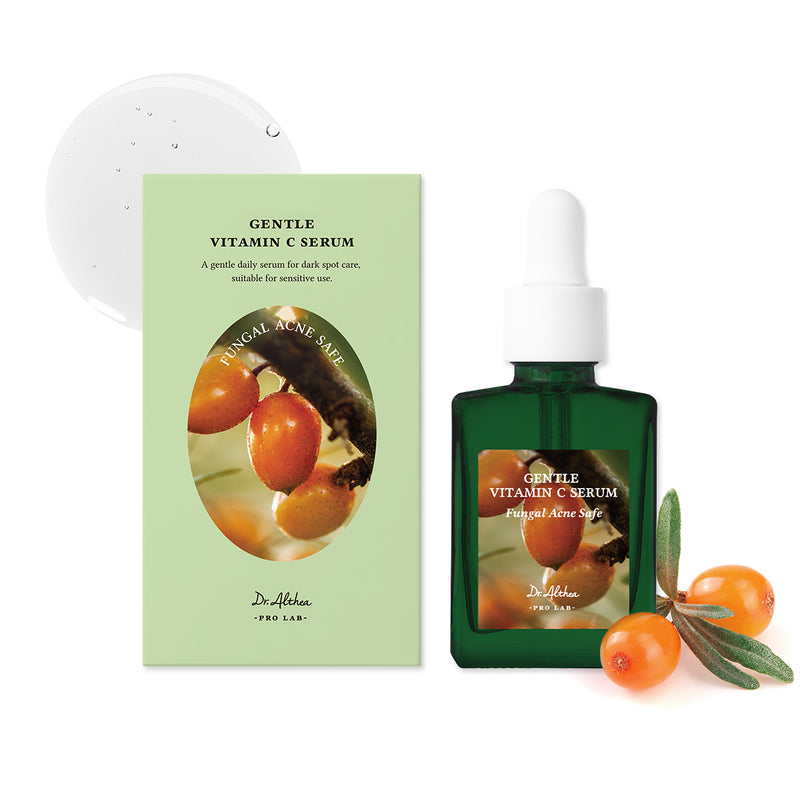
Dr Althea Gentle Vitamin C Serum | 30ml
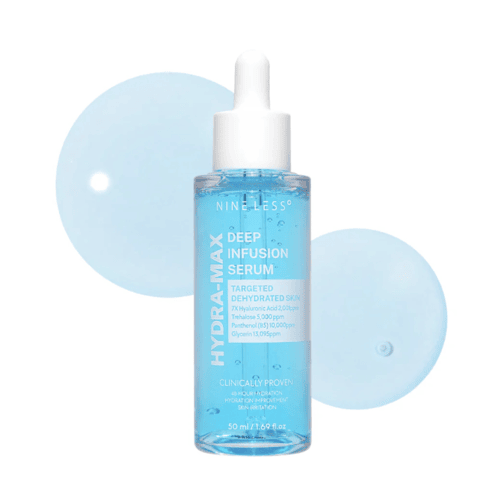
Nineless Hydra-Max Deep Infusion Serum | 50ml
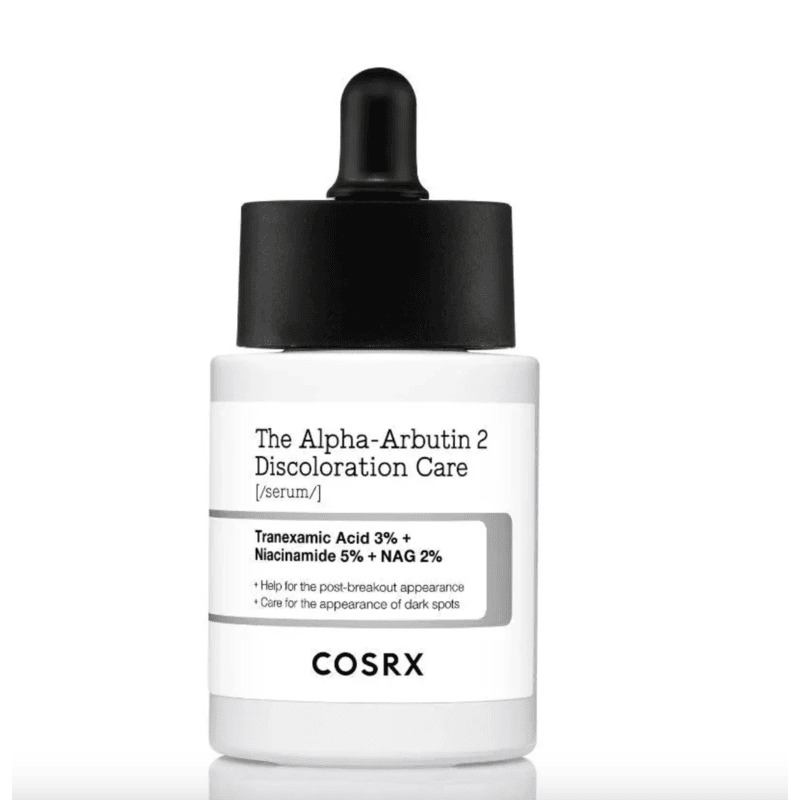
Cosrx The Alpha-Arbutin 2% Discoloration Care Serum
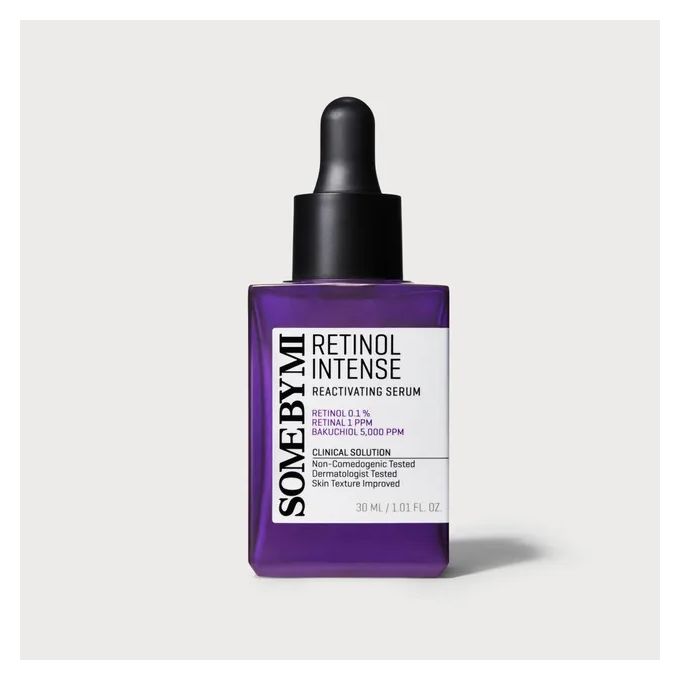
Some: MI Retinol Intense Reactivating Serum
Moisturizers
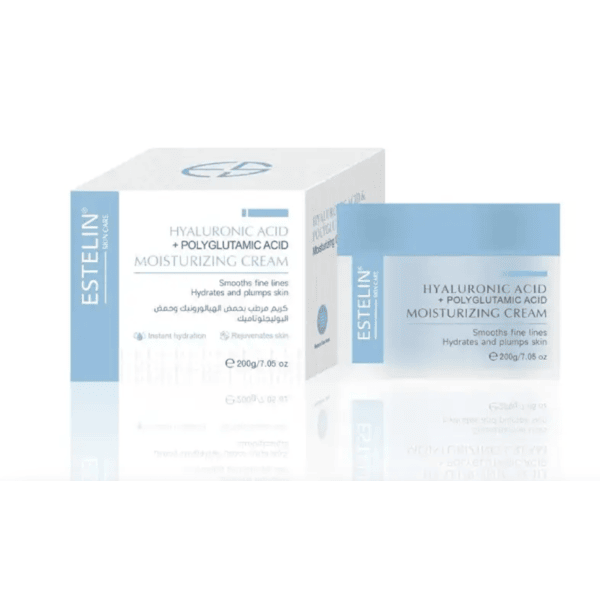
Estelin Hyaluronic Acid & Polyglutamic Acid (Moisturizing Cream)
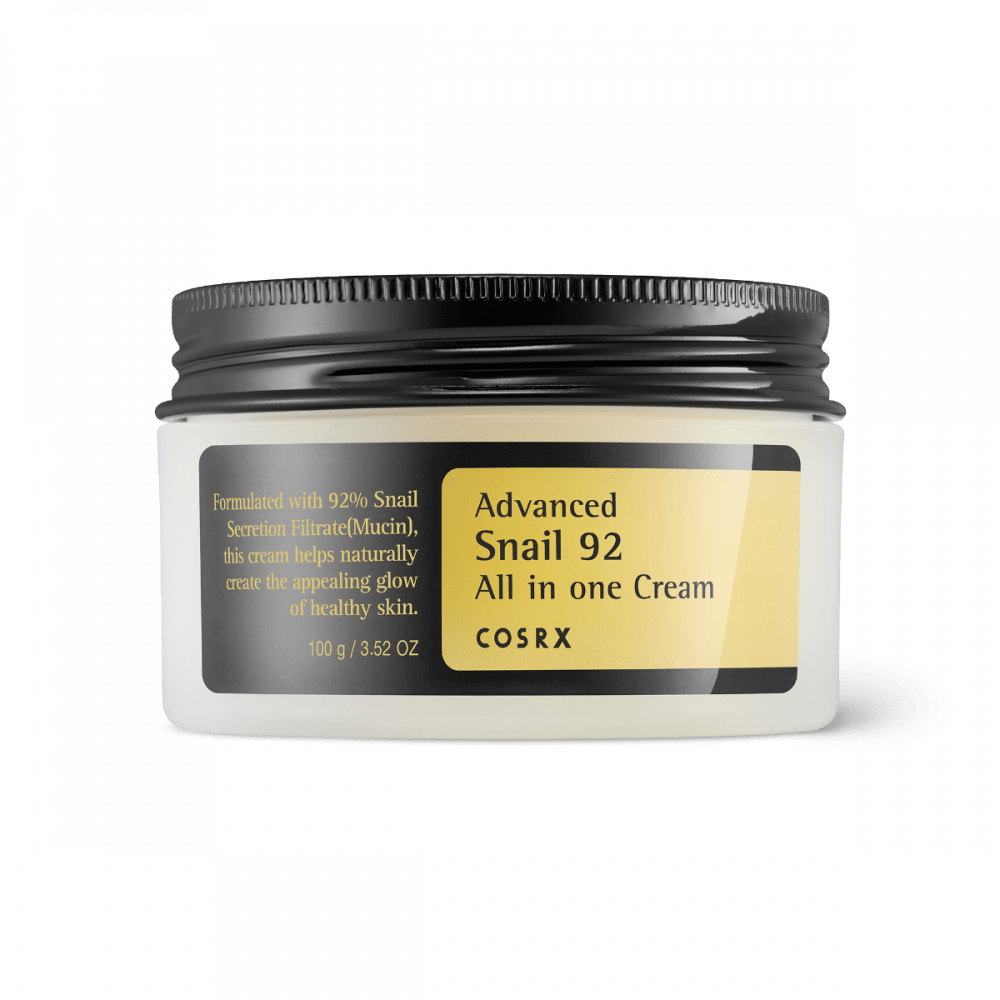
COSRX Advanced Snail 92 All in one Cream
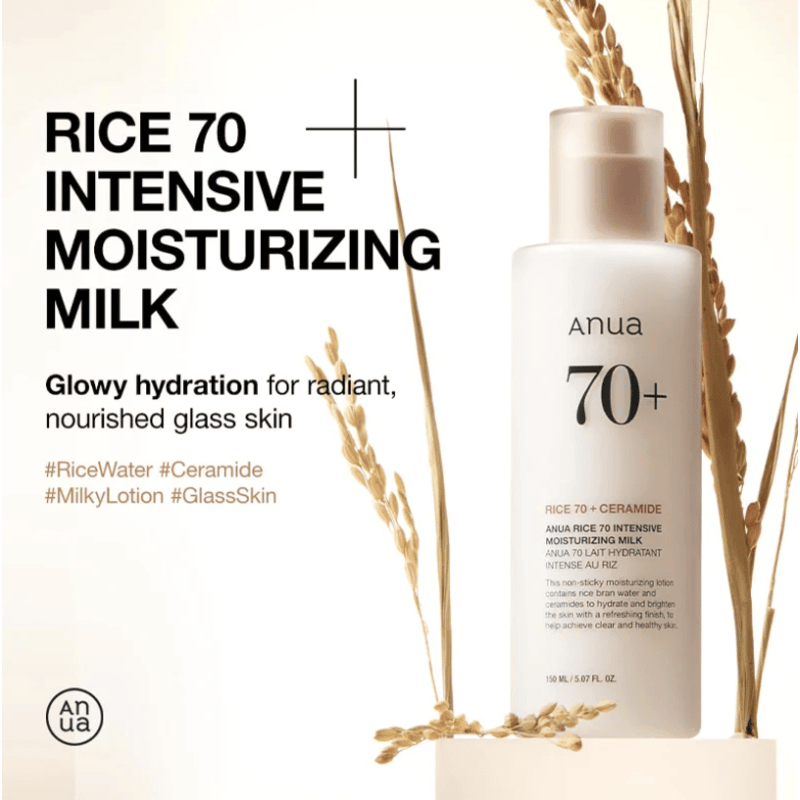
Anua Rice 70 Intensive Moisturizing Milk 150ml
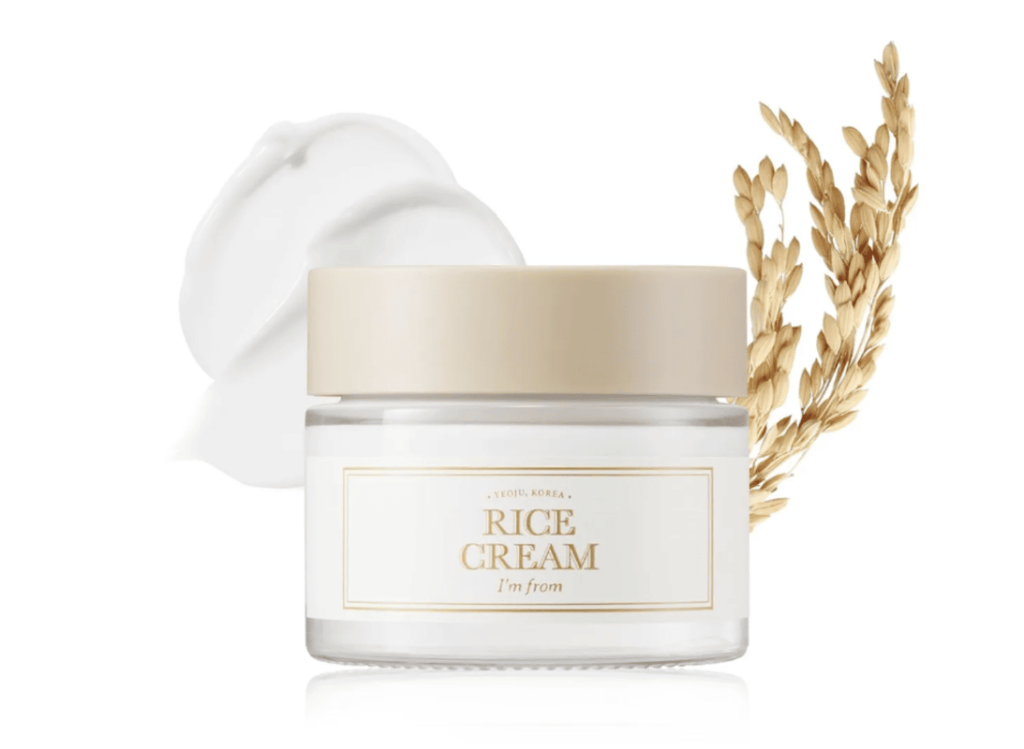
Im From Rice Cream 50g
Final thoughts on the difference between serums and moisturizers
At the end of the day, the real difference between serums and moisturizers comes down to function. Serums target and treat, while moisturizers protect and lock in hydration. Modern moisturizers may also include active ingredients, but they still can’t replace the deep treatment serums provide.
If glowing, healthy skin is your goal, then don’t make it a battle between serums and moisturizers. Instead, think of them as a power duo working together to give your skin exactly what it needs.