
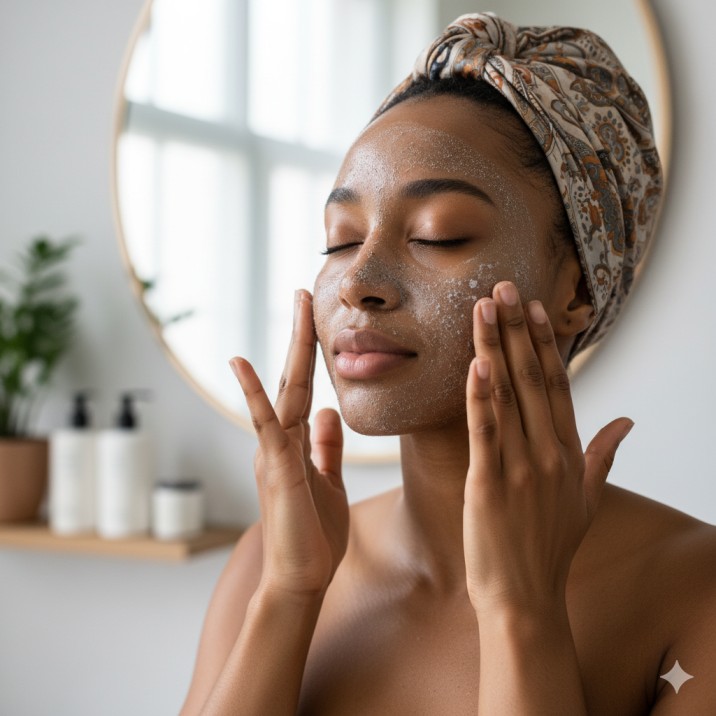
Your skin renews itself constantly. Old skin cells die and make way for fresh ones underneath. The problem is that this process slows down significantly with age, and without help, those dead cells do not always shed the way they should. Instead, they accumulate on the surface, clogging pores, dulling your complexion, and creating a texture that no moisturiser can fully fix.
Removing dead skin from the face is one of the most impactful steps in any skincare routine. When dead cells are properly cleared, everything else you apply, serums, oils, moisturisers, performs better because it can reach the living skin beneath. This guide covers how to remove dead skin from the face effectively and safely, what ingredients work, and five of the best products to do the job.
Why Dead Skin Builds Up and Why It Matters
The skin’s natural cell turnover cycle typically takes between 28 and 40 days in younger skin but slows considerably with age, stress, dehydration, and environmental damage. When this cycle is disrupted, dead skin from the face does not shed efficiently, resulting in a dull, uneven complexion, enlarged-looking pores, rough texture, and skin that feels congested even after cleansing.
Beyond aesthetics, accumulated dead skin from the face creates a barrier that prevents skincare products from absorbing correctly. There is also a direct link to breakouts. When dead cells mix with sebum inside a pore, the result is a blockage that becomes a blackhead, whitehead, or inflamed pimple. Consistently removing dead skin from the face is therefore both a brightening strategy and an acne prevention measure.
A widespread misconception is that scrubbing harder produces better results. Physical over-scrubbing tears the skin surface, compromises the moisture barrier, and causes micro-inflammation that ultimately worsens dullness and sensitivity. Chemical exfoliation is the better approach. It dissolves the bonds holding dead cells to the surface without any physical force, producing safer and more consistent results.
Chemical vs Physical: Which Works Better for Removing Dead Skin From the Face?
Chemical exfoliation uses acids to dissolve the bonds between dead skin from the face and the living cells beneath. The main categories are Alpha Hydroxy Acids (AHAs) such as glycolic and mandelic acid, which work on the skin surface; Beta Hydroxy Acids (BHAs) like salicylic acid, which penetrate into the pore; and Polyhydroxy Acids (PHAs), which are the gentlest option and ideal for sensitive skin.
Physical scrubs feel immediately satisfying but carry real risks. Abrasive particles create micro-tears, disrupt the barrier, and can spread bacteria, making them unsuitable for sensitive, acne-prone, or deeper skin tones prone to post-inflammatory hyperpigmentation.For consistent, safe, and visible results, chemical exfoliation is the recommended approach for removing dead skin from the face across all skin types.
The 5 Best Products to Remove Dead Skin From the Face
1. The Ordinary Glycolic Acid 7% Exfoliating Toner — Best Cult-Favourite AHA Toner
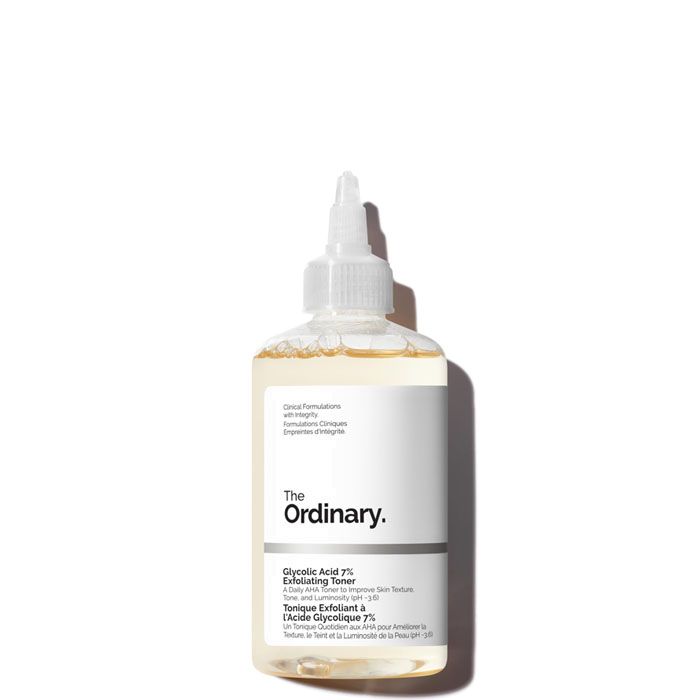
The Ordinary Glycolic Acid 7% Exfoliating Toner has earned its reputation through years of consistent, visible results. At 7% glycolic acid, it sits at a concentration strong enough to produce real improvement in texture and tone while remaining manageable for regular use. Glycolic acid is the smallest AHA molecule, meaning it penetrates efficiently and dissolves the bonds holding dead skin from the face together with notable effectiveness.
What makes this formula stand out beyond the active is its supporting ingredient list. Tasmanian Pepperberry reduces the irritation and sensitivity that can accompany glycolic acid. Aloe Vera provides soothing hydration, and Ginseng Root contributes antioxidant protection. These additions make this one of the more skin-conscious approaches to removing dead skin from the face at any price point. Apply with a cotton pad after cleansing, and always follow with SPF in the morning.
Pros:
- 7% glycolic acid effectively dissolves dead skin from the face without physical scrubbing
- Tasmanian Pepperberry and Aloe Vera reduce irritation and support the skin barrier
- Visibly improves texture, tone, and radiance with consistent use
- Exceptional value for a clinically active formulation
Cons:
- Increases UV sensitivity, making daily SPF non-negotiable
- May cause initial tingling for those new to acid exfoliation
2. Face Facts BHA Toner — Best for Oily and Acne-Prone Skin
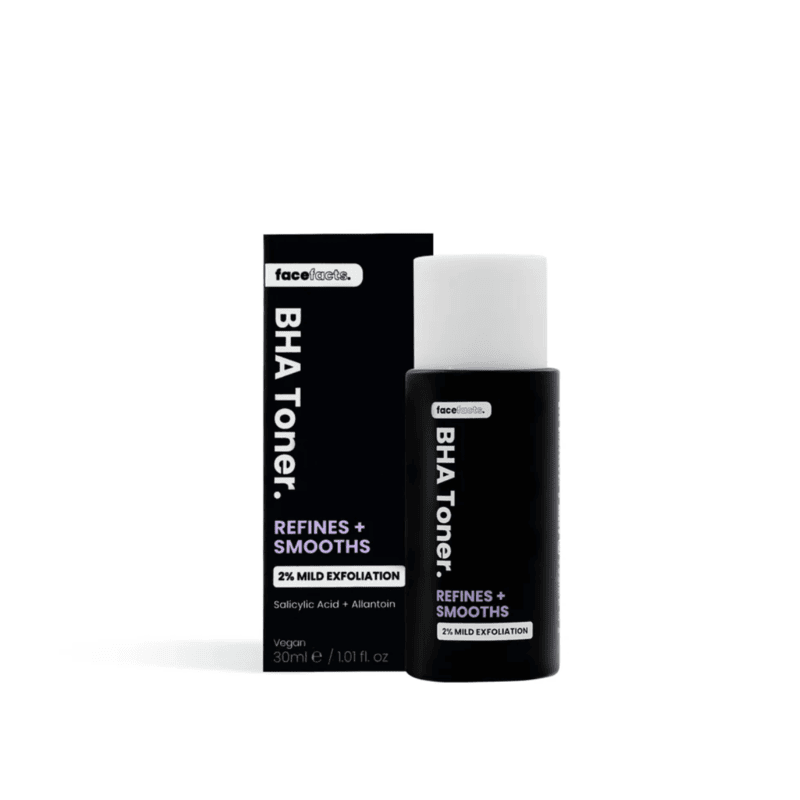
For anyone dealing with dead skin from the face alongside oily skin and persistent breakouts, the Face Facts BHA Toner takes a targeted approach that AHA-based products cannot fully replicate. Built around Salicylic Acid, a Beta Hydroxy Acid, this toner works differently from surface-level exfoliants because it is oil-soluble, meaning it penetrates directly into the pore rather than working only on the outermost skin layer.
This distinction matters significantly. Most exfoliants dissolve the bonds holding dead skin from the face at the surface. Salicylic acid does that and goes further, clearing the sebum and debris that accumulate inside the pore itself. The result is a more thorough clearing of congestion that shows up as fewer blackheads, visibly cleaner pores, reduced oil, and a clearer overall complexion with consistent use.
The lightweight formulation makes it practical as a regular toning step after cleansing. For oily and acne-prone skin types dealing with both surface dead cell buildup and deep pore congestion, the Face Facts BHA Toner addresses both problems within a single, easy-to-use step.
Pros:
- Salicylic acid penetrates into the pore to remove dead skin from the face and clear congestion from within
- Targets excess oil production, making it ideal for oily and acne-prone skin types
- Lightweight formula integrates easily as a daily post-cleansing toning step
- Visibly improves skin clarity, pore appearance, and surface texture with consistent use
Cons:
- BHA exfoliation increases UV sensitivity, making morning SPF use essential
- May cause initial dryness in those new to salicylic acid, requiring a gradual introduction period
3. Anua BHA 2% Gentle Exfoliating Toner — Best for Sensitive Yet Congested Skin
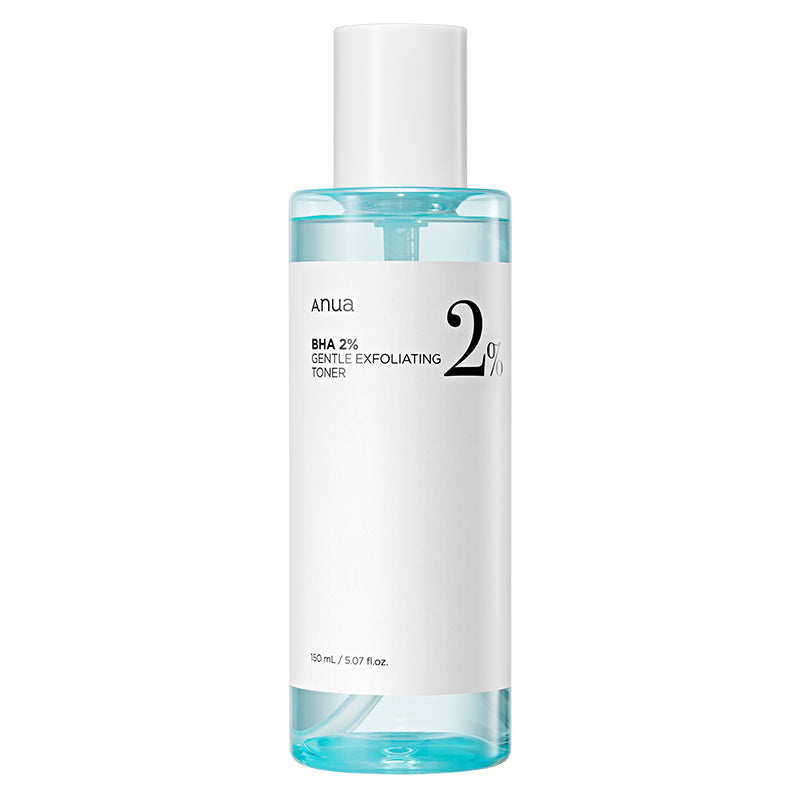
One of the most common skincare challenges is skin that is simultaneously sensitive and congested, reactive enough to flare with stronger acids, yet dealing with the kind of clogged pores and dead skin from the face buildup that demands consistent exfoliation to resolve. The Anua BHA 2% Gentle Exfoliating Toner (150ml) is formulated precisely for this overlap.
At 2% BHA, the salicylic acid concentration is measured and deliberate, delivering pore-clearing and dead cell removal without the aggressive exfoliation that destabilises reactive skin. What genuinely elevates this formula beyond basic BHA toners is the supporting complex built around six types of ceramides. Ceramides are the lipids that form the skin’s moisture barrier, and including them alongside an exfoliating acid actively maintains and repairs the barrier as the exfoliation takes place. This is one of the rare formulas that removes dead skin from the face without compromising skin integrity in the process.
Hyaluronic acid and panthenol provide layered hydration and soothing benefits that keep the skin comfortable throughout use. Tea tree leaf extract adds targeted antibacterial and anti-inflammatory properties that calm redness and reduce irritation, making this one of the most thoughtfully constructed approaches to removing dead skin from the face for skin that cannot tolerate more aggressive formulations.
Pros:
- 2% BHA effectively removes dead skin from the face and clears pores without over-exfoliating sensitive skin
- Six types of ceramides actively protect and repair the skin barrier during exfoliation
- Hyaluronic acid and panthenol maintain hydration and comfort throughout use
- Tea tree extract calms redness and soothes irritation for reactive skin types
Cons:
- 2% BHA concentration may produce gradual rather than rapid results for heavily congested skin
- Those with very resilient, non-sensitive skin may find a higher concentration more effective
4. The INKEY List PHA Toner — Best for Sensitive Skin
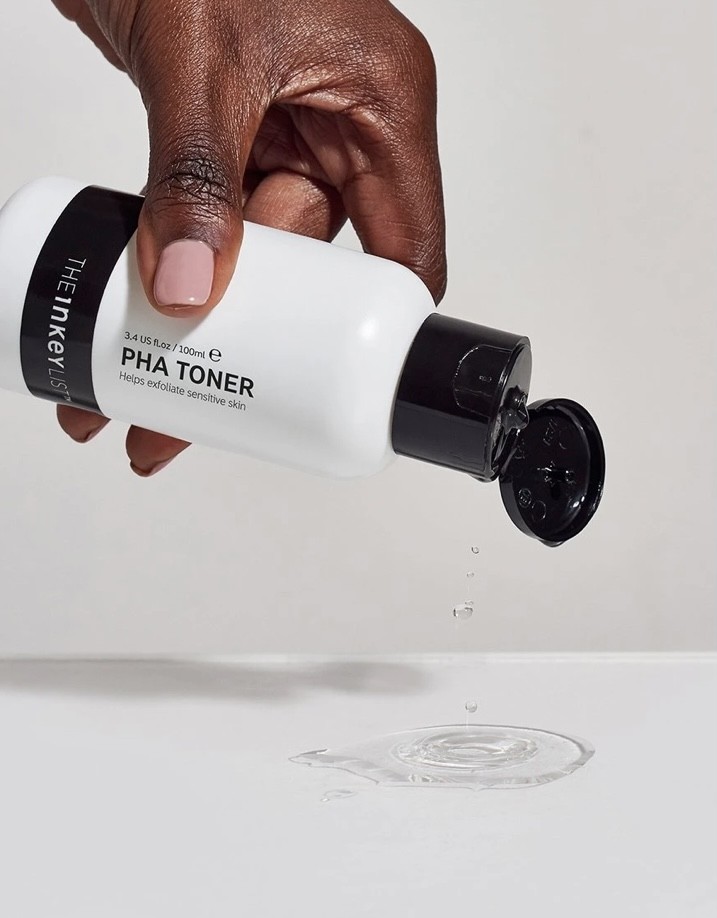
Sensitive skin presents a specific challenge when removing dead skin from the face. Most exfoliating acids, even at lower concentrations, produce reactivity that sensitive skin cannot consistently tolerate. The INKEY List PHA Toner addresses this by building its formula around Polyhydroxy Acids, the gentlest class of chemical exfoliants.
PHAs have larger molecules than AHAs and BHAs, meaning they work more slowly and remain closer to the skin’s surface, exfoliating without triggering the sensitivity response associated with stronger acids. The result is a product that removes dead skin from the face effectively enough to improve texture and radiance while remaining gentle enough to use without redness, stinging, or barrier disruption.
PHAs are also inherently hydrating, attracting water to the skin as they work. This dual benefit makes the INKEY List PHA Toner a particularly well-rounded option for anyone whose skin is reactive, dry-sensitive, or compromised. For those who have previously abandoned exfoliation due to irritation, this is the most logical starting point.
Pros:
- PHA exfoliation removes dead skin from the face gently enough for consistent sensitive skin use
- Inherent hydrating properties support the skin barrier rather than compromise it
- Refines texture and unclogs pores without the redness or stinging of stronger acids
- Ideal first exfoliating toner for those new to chemical exfoliation
Cons:
- Gentler action means results develop more gradually than higher-concentration AHA or BHA products
- Those with resilient skin seeking faster results may find the exfoliation too mild
5. Good Molecules Overnight Exfoliating Treatment — Best for Overnight Skin Renewal
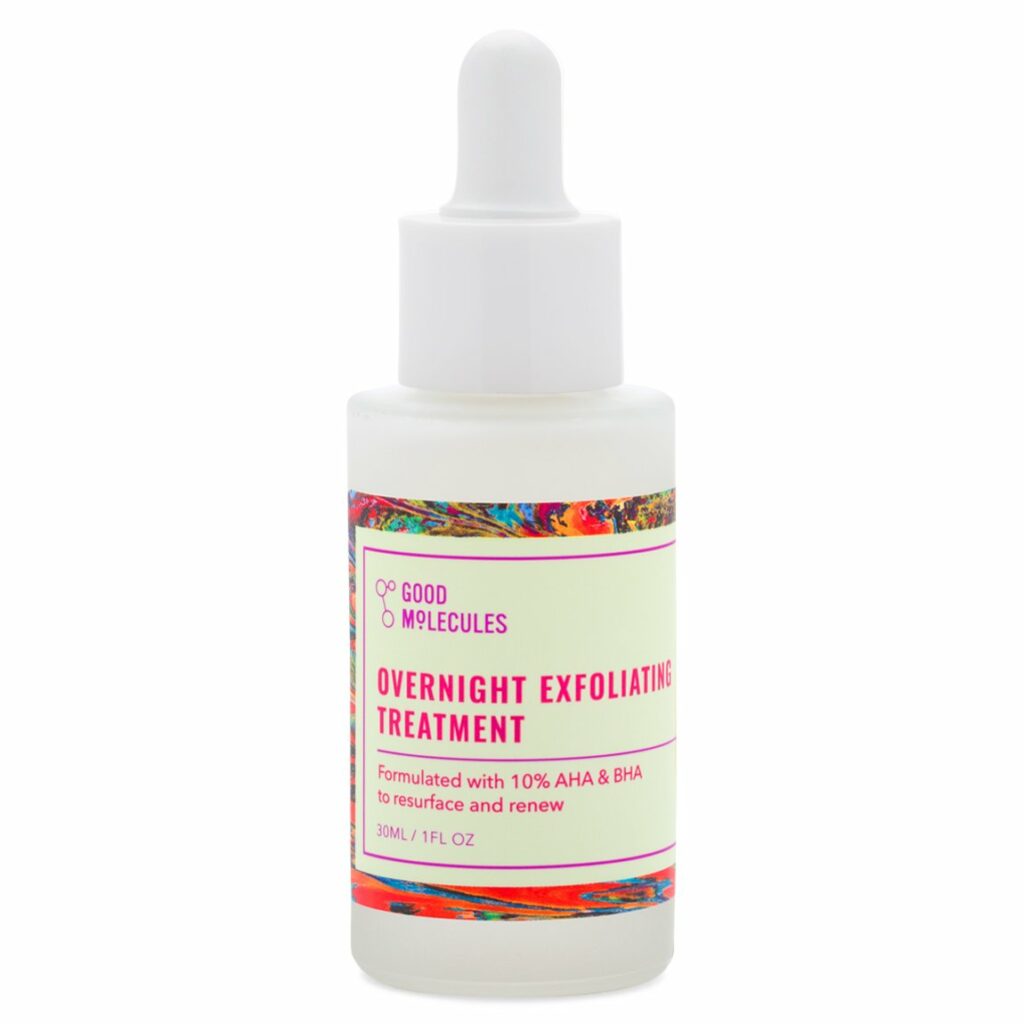
Nighttime is when the skin’s repair cycle is most active, making it the most strategically valuable window for removing dead skin from the face. The Good Molecules Overnight Exfoliating Treatment is formulated specifically for this window, delivering a 10% combined alpha and beta hydroxy acid complex that resurfaces skin while you sleep.
The inclusion of both AHAs and BHAs is meaningful. AHAs work on the skin’s surface to dissolve and lift dead skin from the face, improving tone and texture. BHAs penetrate into the pore to clear congestion from within. Together, they address two dimensions of skin congestion that no single acid class can cover alone. Applying this treatment at night allows the acids to work undisturbed through the skin’s peak repair hours, producing visibly smoother, clearer skin by morning with consistent use.
Pros:
- 10% combined AHA and BHA formula addresses dead skin from the face and pore congestion simultaneously
- Overnight application leverages the skin’s peak repair window for maximum results
- Dual-acid approach resurfaces texture and clears pore blockages in a single step
- Produces visibly smoother skin with consistent nightly use
Cons:
- Not suitable for very sensitive or compromised skin without careful introduction
- Morning SPF use is essential due to increased photosensitivity after AHA application
How Often Should You Remove Dead Skin From the Face?
Frequency is one of the most misunderstood variables in exfoliation. More is not better. Over-exfoliating strips the moisture barrier, causes chronic redness, increases sensitivity, and paradoxically worsens congestion. For most skin types, removing dead skin from the face two to three times per week is sufficient. Sensitive skin should begin with once per week and increase only if the skin tolerates the product well after four weeks.
Signs of over-exfoliation include persistent redness, tightness after cleansing, increased dryness, and sudden breakouts. If any of these appear, reduce frequency immediately and prioritise barrier repair before reintroducing exfoliation.
What to Apply After Removing Dead Skin From the Face
Freshly exfoliated skin is more permeable and more vulnerable. Always follow with a hydrating toner or essence to replenish moisture, then a serum appropriate for your skin concern, then a moisturiser suited to your skin type. In the morning, SPF is the most important step after removing dead skin from the face. Exfoliated skin is significantly more susceptible to UV damage, which directly reverses the brightening work you are trying to achieve.
At Perona Beauty, our approach focuses on pairing every exfoliating product with the right aftercare. Based on our experience working with Nigerian skin in a tropical climate, the most common reason people do not see results from exfoliation is not the product itself. It is inadequate hydration and SPF use in the steps that follow.
What Removing Dead Skin From the Face Actually Changes
There is a version of exfoliation that produces little lasting change because it is done inconsistently or with the wrong product. And then there is exfoliation that becomes the turning point in someone’s skin, unlocking the results they were not getting from cleansing and moisturising alone.
The difference between those two versions is almost always product selection and consistency. The five products on this list cover every skin type and concern: The Ordinary for accessible daily brightening, Face Facts BHA Toner for oily and congested skin, Anua BHA 2% for sensitive yet congested skin that needs gentle pore clearance, INKEY List for the most reactive skin types needing the gentlest possible entry point, and Good Molecules for maximum overnight renewal.
Removing dead skin from the face consistently, with the right product and proper aftercare, will do more to transform your complexion than almost anything else in your routine. Build that habit, protect your skin with SPF, and the results will make the case for themselves.
Frequently Asked Questions About Removing Dead Skin From the Face
How do I know if I have dead skin buildup on my face? Common signs include persistent dullness despite moisturising, rough or bumpy texture, foundation that clings to dry patches, and pores that look consistently clogged. Skin that feels congested immediately after cleansing is also a strong indicator of dead skin from the face accumulation.
Can I remove dead skin from the face if I have acne? Yes, and it is often beneficial. Removing dead skin from the face reduces the cell and sebum buildup that causes breakouts. Avoid exfoliating directly over active, inflamed spots to prevent spreading bacteria, but treat the surrounding skin consistently. The Face Facts BHA Toner and Anua BHA 2% Toner are particularly well suited for acne-prone skin.
How long before I see results? Texture improvements are often visible after the first or second use. Longer-term improvements in tone, pore appearance, and radiance from removing dead skin from the face typically develop over four to eight weeks of consistent application.
Should I exfoliate in the morning or at night? Night is generally better for removing dead skin from the face with AHA and BHA products because it avoids immediate sun exposure and takes advantage of the skin’s natural repair cycle. Gentle PHAs like the INKEY List toner are safe for morning use when followed by SPF.
Can I use more than one exfoliating product at the same time? Layering multiple exfoliating actives significantly increases the risk of over-exfoliation. Choose one primary product and use it consistently. If you want to address multiple concerns simultaneously, choose a formula that combines actives intelligently rather than combining separate products in the same routine.