

Skincare damage rarely happens overnight. It builds quietly through over-exfoliation, inconsistent routines, harsh actives, skipped hydration, and stress. By the end of 2025, many people are noticing the consequences. Skin feels tight yet oily. Breakouts linger longer. Redness appears without warning. Products that once worked now sting or do nothing at all.
Fixing skincare damage is not about adding stronger treatments. It is about helping the skin recover its ability to protect, hydrate, and repair itself. Healthy skin functions well on its own. When that function is disrupted, even the best formulas struggle to deliver results.
What Skincare Damage Really Looks Like
Skincare damage does not always look dramatic. Sometimes it shows up as dullness that does not improve. Sometimes it feels like dryness that moisturiser cannot fix. In other cases, skin becomes reactive to products it once tolerated.
Common signs include:
- Tightness after cleansing
- Increased sensitivity or stinging
- Persistent redness
- Dehydration lines
- Breakouts that heal slowly
- Rough or uneven texture
These symptoms often point to a weakened skin barrier. When the barrier is compromised, moisture escapes and irritants enter more easily. Repairing this barrier is the first step in reversing damage.
The Right Way to Heal Skin After a Tough Year
Skin recovery works best when routines become simpler. Instead of chasing results, the focus shifts to comfort and consistency.
Three principles guide the healing process:
- Cleanse gently without stripping
- Rehydrate deeply and repeatedly
- Seal moisture with barrier-supporting creams
The products that follow fit into this approach. Each one serves a clear role in restoring balance rather than forcing change.
1. CeraVe Hydrating Cream-to-Foam Cleanser
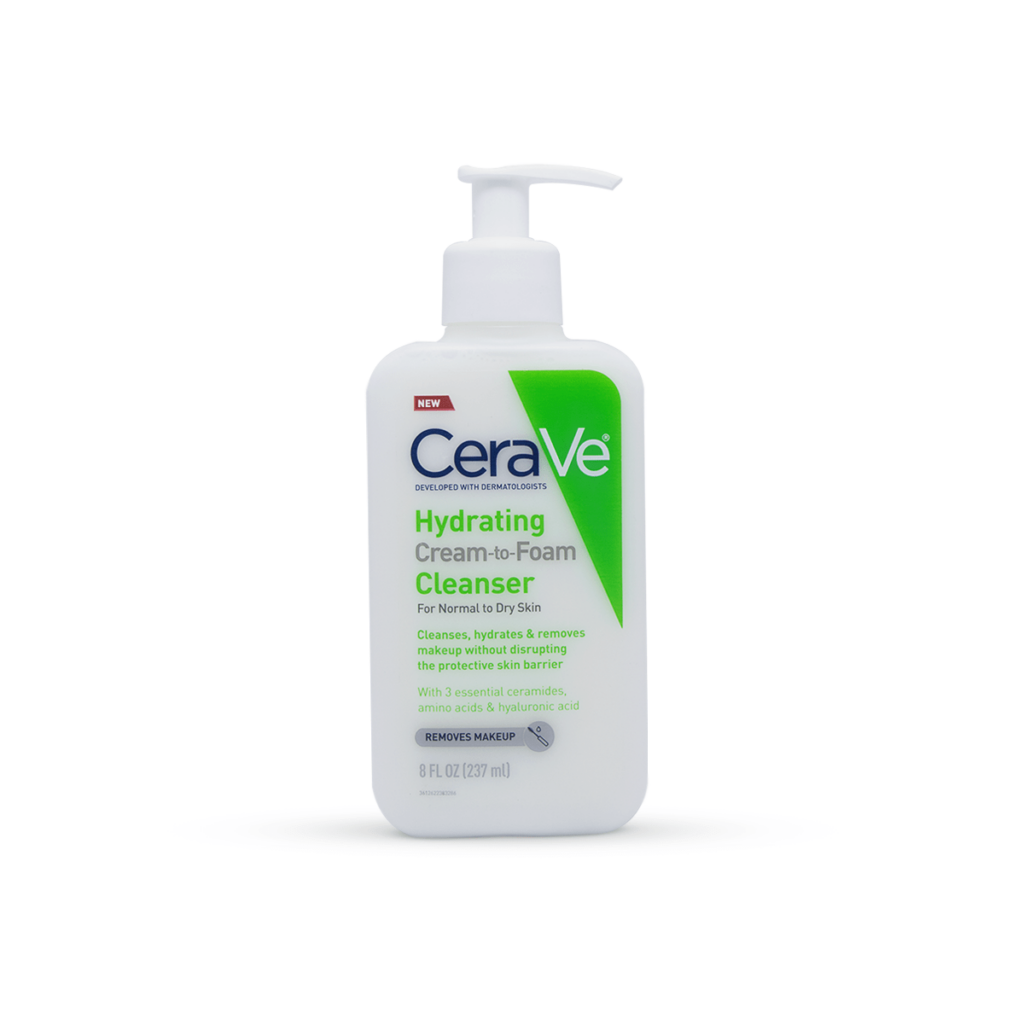
Cleansing is where most skincare damage begins. Harsh surfactants remove dirt but also strip the lipids that protect the skin. The CeraVe Hydrating Cream-to-Foam Cleanser takes a different approach. It starts as a cream and transforms into a soft foam, lifting impurities while respecting the skin barrier.
Its amino acid-based surfactants cleanse without disrupting the skin’s natural moisture balance. Ceramides, hyaluronic acid, and amino acids work together to maintain hydration during and after cleansing. The MVE Technology ensures continued release of moisturising ingredients even after rinsing.
This cleanser suits damaged, sensitive, and dehydrated skin because it cleans effectively without leaving the skin feeling tight or exposed.
Pros
- Gently removes dirt, oil, and makeup
- Supports the skin barrier with ceramides
- Maintains hydration during cleansing
- Suitable for sensitive and dry skin types
Cons
- May feel too gentle for heavy makeup days
- Foam texture may not appeal to cream-cleanser purists
2. Tonymoly Wonder Ceramide Mochi Toner
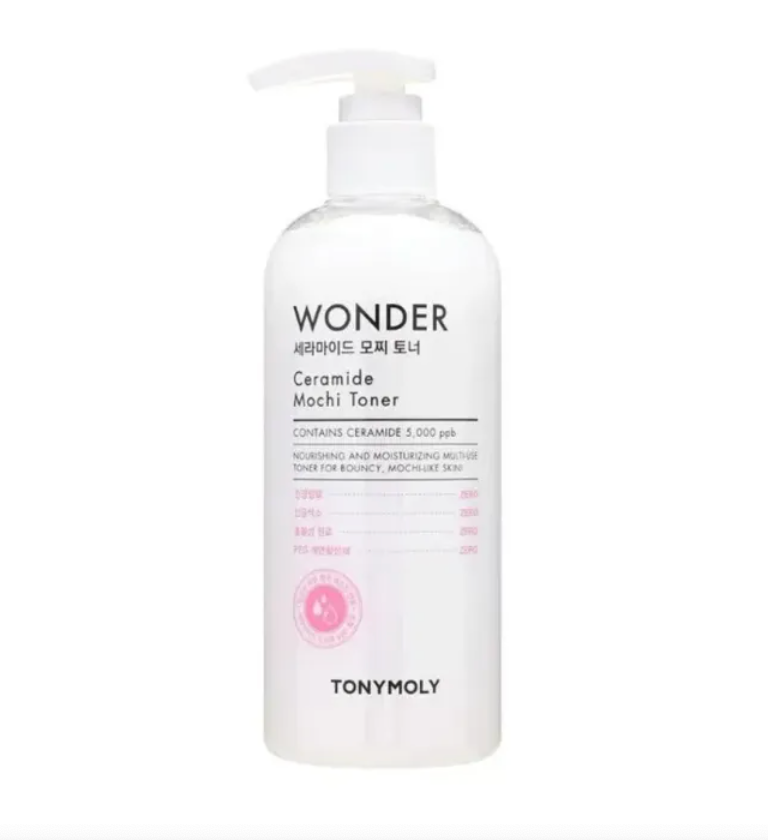
When skin is damaged, hydration needs to be layered. A single moisturiser is rarely enough. The Tonymoly Wonder Ceramide Mochi Toner acts as a hydration base, flooding the skin with moisture while reinforcing the barrier.
Its viscous texture feels comforting without being heavy. Ceramides help strengthen the skin’s protective layer, while the formula’s gentle profile makes it suitable for daily use. This toner can be applied with hands, layered multiple times, or used with cotton pads depending on preference.
It is especially useful for skin that feels tight after cleansing or struggles to hold onto moisture.
Pros
- Deeply hydrating with a comforting texture
- Strengthens the skin barrier with ceramides
- Suitable for sensitive and dry skin
- Large size allows generous daily use
Cons
- Texture may feel rich for very oily skin
- Takes a moment to absorb fully
3. I’m From Rice Toner
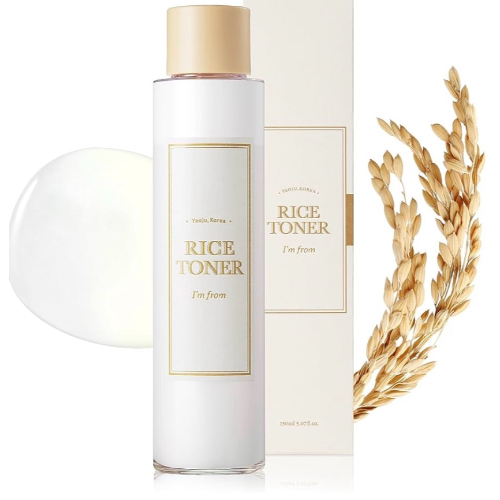
Damaged skin often loses its natural glow. The I’m From Rice Toner focuses on restoring brightness while maintaining hydration and barrier health. With a high concentration of Yeoju rice extract, it nourishes the skin while improving tone and texture gradually.
This toner feels lightweight yet substantial. It hydrates without heaviness and supports skin clarity over time. Its soothing nature makes it suitable for sensitive skin that needs gentle brightening rather than aggressive treatments.
It fits well into routines focused on repair rather than correction.
Pros
- Hydrates while improving skin tone
- Supports barrier health
- Lightweight and comfortable on the skin
- Suitable for dull and sensitive skin
Cons
- Brightening results take time
- Requires consistent use for visible changes
4. Anua Rice 7 Ceramide Hydrating Barrier Serum
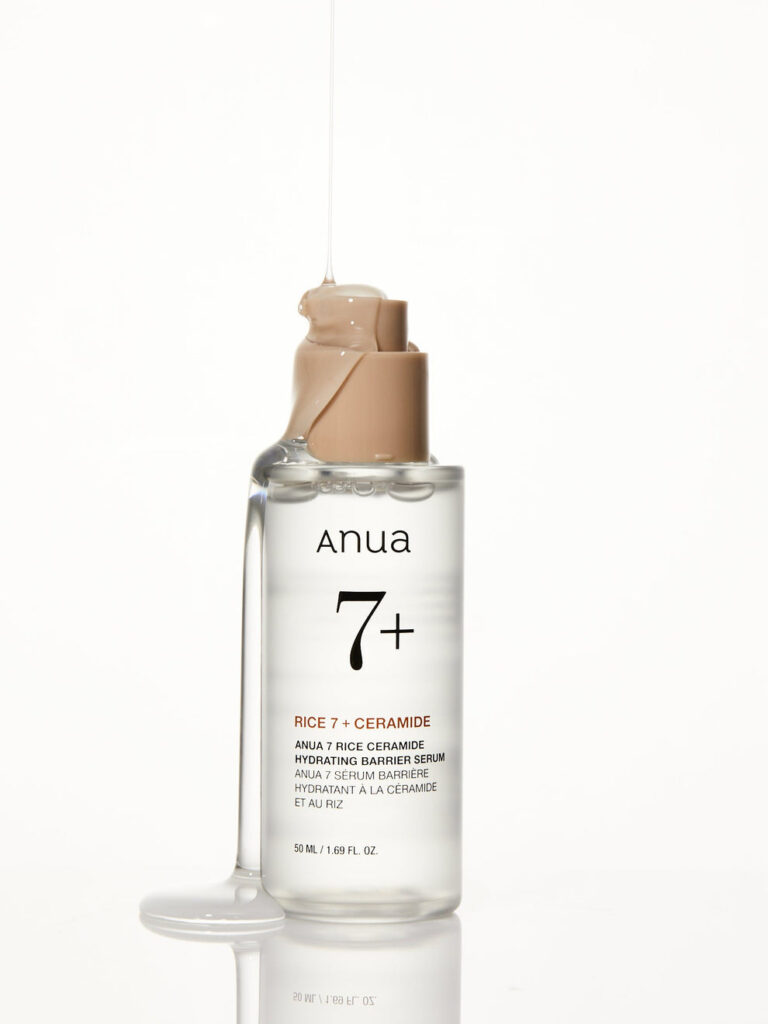
When skincare damage runs deep, a targeted serum helps accelerate recovery. The Anua Rice 7 Ceramide Hydrating Barrier Serum delivers concentrated nourishment without overwhelming the skin.
Its high percentage of rice extract provides hydration and soothing benefits, while seven types of ceramides reinforce the skin’s barrier structure. The serum absorbs easily and layers well with other products, making it suitable for both morning and evening routines.
This formula works particularly well for skin that feels fragile, dehydrated, or reactive.
Pros
- Strengthens the skin barrier effectively
- Provides long-lasting hydration
- Lightweight and easy to layer
- Supports recovery for compromised skin
Cons
- Results are subtle rather than instant
- May feel insufficient alone for very dry skin
5. Illiyoon Ceramide Ato Concentrate Cream
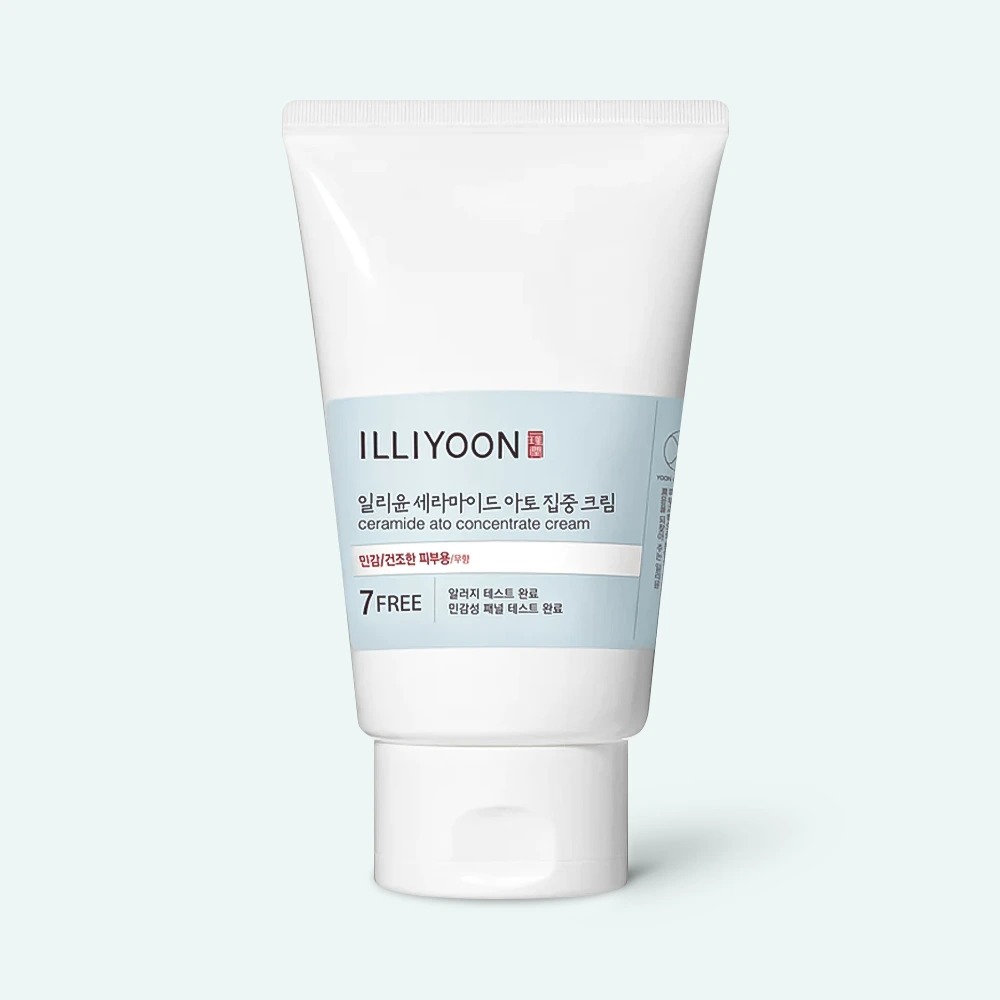
A damaged skin barrier needs sealing. The Illiyoon Ceramide Ato Concentrate Cream focuses on locking in moisture and protecting the skin while it repairs itself.
Its patented Ceramide Skin Complex™ helps replenish lost lipids, improving resilience over time. The cream feels rich but absorbs well, making it suitable for nightly use or during periods of extreme dryness.
This moisturiser is especially helpful for skin that feels chronically dry, itchy, or uncomfortable.
Pros
- Deeply nourishes and protects the skin
- Strengthens barrier function
- Suitable for sensitive and eczema-prone skin
- Fragrance-free and non-irritating
Cons
- Texture may feel heavy for oily skin
- Better suited to evening or colder weather
What to Stop Doing While Your Skin Heals
Healing skin requires restraint as much as care. Certain habits slow recovery even when good products are used.
Stop over-cleansing. Washing the face too often disrupts the barrier and increases moisture loss.
Pause exfoliation. Scrubs, acids, and frequent exfoliating treatments delay healing when the barrier is compromised.
Avoid product hopping. Switching products frequently prevents the skin from adapting and recovering.
Reduce heat exposure. Hot water, steam, and saunas can worsen redness and dehydration.
Allow your skin time. Recovery is gradual, and pushing for faster results often leads to setbacks.
How Long Skin Recovery Takes
Repairing skincare damage is not instant. The timeline varies based on the severity of damage and how consistently the routine is followed.
In the first one to two weeks, most people notice reduced tightness and stinging. Hydration improves, and the skin feels calmer.
Between weeks three and six, texture begins to smooth out. Redness decreases, and moisture retention improves.
After two to three months, the skin barrier becomes stronger. Products feel more effective, and sensitivity continues to decline.
Progress is rarely linear. Some days feel better than others. Consistency matters more than speed.
Repairing Skincare Damage from 2025
Skincare damage reflects habits, stress, and overcorrection rather than failure. Repair begins with patience and consistency. Gentle cleansing, layered hydration, and barrier repair create the conditions skin needs to recover.
The products in this guide support healing by working with the skin instead of pushing it. They restore moisture, strengthen defences, and reduce irritation without demanding constant adjustment.
As your skin recovers, routines feel simpler. Products perform better. Comfort returns. Repair is not about doing more. It is about doing what allows the skin to function as it should again.
Frequently Asked Questions About Fixing Skincare Damage
Can damaged skin fully recover?
Yes. The skin has a strong ability to repair itself when supported with gentle care, hydration, and barrier-focused products.
Should actives be removed completely?
During recovery, it helps to pause strong actives. Once the skin feels stable, they can be reintroduced slowly if needed.
Why does skin feel oily but tight at the same time?
This often indicates dehydration and a weakened barrier. The skin produces oil to compensate while lacking water.
Is redness always a sign of damage?
Not always, but persistent redness often signals irritation or barrier disruption.
Can makeup worsen skin damage?
Heavy or long-wear makeup can stress compromised skin, especially if removal is harsh. Gentle cleansing matters.