

Cleanser and face wash are two of the most frequently confused terms in skincare, and the confusion is understandable. Both sit in the cleansing aisle, both claim to clean your face, and most packaging offers little to distinguish them. Understanding the differences between cleanser and face wash goes beyond reading a label. It requires looking at what each product is actually doing to your skin and why that matters for your routine.
The differences between cleanser and face wash are grounded in formulation science, not branding. Choosing the wrong one for your skin type can undermine results that no other product can repair. Most people never think to question their cleansing step, yet the differences between cleanser and face wash affect everything that follows in a routine. This article explains the trade-offs involved in each choice, the misconceptions that lead people astray, and why the popular advice of “just use whatever feels comfortable” regularly fails.
What Separates a Cleanser from a Face Wash?
One of the most important differences between cleanser and face wash is intent. A face wash is a water-activated, rinse-off product that relies on surfactants to break down oil and debris. A cleanser is a broader category spanning cream, oil, balm, gel, and micellar formats, not all of which require water or rinsing to function.
A face wash is formulated to purify thoroughly. A cleanser is formulated to purify whilst preserving the skin’s natural barrier. That distinction determines suitability, frequency of use, and where each product belongs in a routine. Knowing the differences between cleanser and face wash at this level is what separates a routine that works from one that quietly undermines itself.
Difference 1: Formulation and Texture
Face washes are almost universally gel, foam, or liquid. They depend on surfactants to lift and remove oil, and the lather they produce is a byproduct of that process rather than the mechanism of cleansing itself.
One of the clearest differences between cleanser and face wash is texture and how it reflects barrier interaction. Cleansers work across a far wider range of textures using gentler mechanisms, whether emulsification, micellar attraction, or oil-based dissolution. Foaming face washes can remove ceramides and natural moisturising factors alongside sebum, whilst cream and gel-cream cleansers are formulated to avoid that trade-off entirely.
Difference 2: pH and Barrier Integrity
The skin’s natural pH sits between 4.5 and 5.5. Many conventional face washes register at a higher pH, disrupting that balance with every use. Over time, repeated disruption contributes to sensitivity, reactivity, and a compromised barrier.
When examining the differences between cleanser and face wash through the lens of pH, cleansers consistently come out gentler. Cream and oil-based formats operate closer to the skin’s natural acidity because their formulas rely less on high-concentration surfactants. The tight, stripped sensation many associate with a thorough cleanse is not a sign of efficacy. It is a sign of disruption. This is one of the differences between cleanser and face wash that has the most long-term impact on skin health, yet it is the least visible on a product label.
Difference 3: Depth of Cleansing and Appropriate Use
Face washes are designed for thoroughness. Their surfactant-heavy formulas penetrate deeper into the pore to remove sebum, sweat, and environmental pollutants, making them the stronger option after exercise or a full day of product wear.
This is one of the most practical differences between cleanser and face wash for everyday use. Cleansers are better positioned for daily maintenance, particularly morning routines where the skin primarily needs refreshing, or as the first step in a double-cleanse. Using a face wash twice daily out of habit rather than necessity is one of the most common reasons skin becomes reactive over time.
Difference 4: Skin Type Suitability
Face washes serve oily, combination, and acne-prone skin well. Their ability to cut through excess sebum is an asset for skin types where congestion is a genuine concern. For dry, sensitive, or mature skin, that same capacity works against the skin, stripping the lipids and moisture already in limited supply.
Understanding the differences between cleanser and face wash by skin type reveals that cleansers offer a more inclusive suitability range. Their gentler formulas do not deplete what vulnerable skin types depend on. It is also worth noting that product naming is unreliable when navigating the differences between cleanser and face wash. A product called “face wash” can be gentle, and one called “cleanser” can be surprisingly stripping. The formulation is always the more reliable indicator than the label.
Difference 5: Role in a Skincare Routine
In a considered routine, cleanser and face wash occupy different positions rather than competing for the same one. A double-cleanse uses a cleanser first to dissolve sunscreen and makeup, then a face wash to remove what remains. Used alone, a face wash is most appropriate in the evening or after activity. A cleanser is sufficient in the morning when skin needs maintenance rather than a deep reset.
Recognising the differences between cleanser and face wash in a routine context prevents both over-cleansing and under-cleansing, two failures that are equally damaging to long-term skin health.
Which Should You Use?
The answer depends on your skin type, the time of day, and what your skin has been exposed to. As a working framework:
- Oily or acne-prone skin benefits from a face wash, particularly in the evening or after exercise.
- Dry, sensitive, or mature skin performs better with a cream or gel-cream cleanser twice daily.
- Combination skin may benefit from a face wash at night and a gentle cleanser in the morning.
- Anyone wearing SPF or makeup daily should consider double-cleansing, with a cleanser first and a face wash second.
The common advice to “just use what feels good” fails because perception of comfort is not the same as barrier health. Skin can feel comfortable immediately after washing and still be measurably dehydrated, particularly if surfactant exposure is frequent and unbalanced.
Face Wash Products
Simple Purifying Face Wash
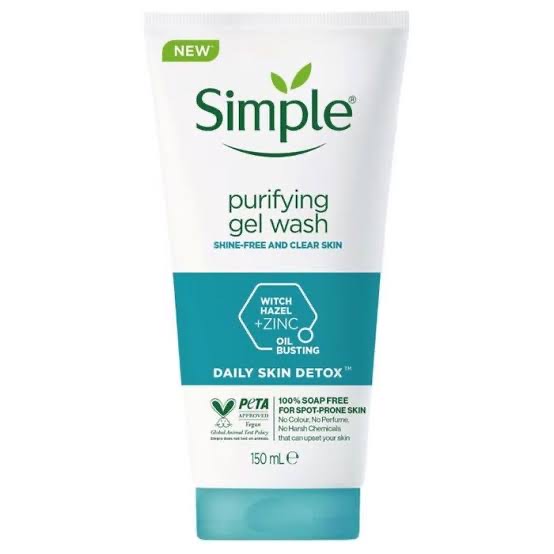
A gentle yet effective cleanser that deeply cleanses the skin, removing impurities and excess oil without leaving it feeling tight or dry. It is a dependable everyday option for those who want reliable cleansing without the risk of over-stripping, suiting a wide range of skin types including those prone to sensitivity.
Pros
- Gentle formula suits most skin types including those prone to sensitivity or barrier disruption
- Does not produce tightness or stripped feeling after use, supporting comfortable twice-daily cleansing
- Low irritant risk makes it a reliable choice for those actively repairing a compromised barrier
Cons
- May not deliver sufficient cleansing depth for oily or congested skin with higher sebum production
- Contains no active ingredients, limiting its role to maintenance cleansing rather than treatment
Simple Glow Facial Wash with Vitamin C and Antioxidants
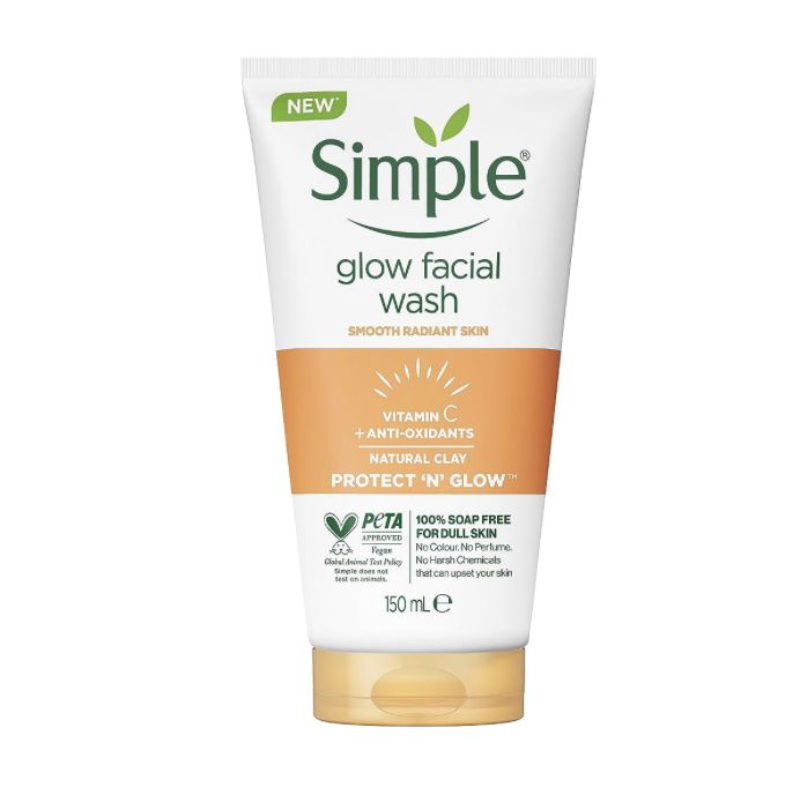
Enriched with vitamin C and antioxidants, this facial wash gently cleanses while brightening and revitalising dull skin, making it suitable for daily use. It suits those who want their cleansing step to contribute to radiance without adding a separate brightening product to their routine.
Pros
- Vitamin C and antioxidant complex delivers brightening and protective benefit at the cleansing stage
- Gentle enough for daily use with consistent improvement in skin radiance over time
- Practical for those wanting fewer products without sacrificing a brightening step
Cons
- Rinse-off vitamin C has limited contact time with the skin compared to a leave-on treatment
- Not sufficient as a sole cleanser for acne-prone or oily skin types needing deeper cleansing
Skin by Zaron Acne Control Glow Face Wash
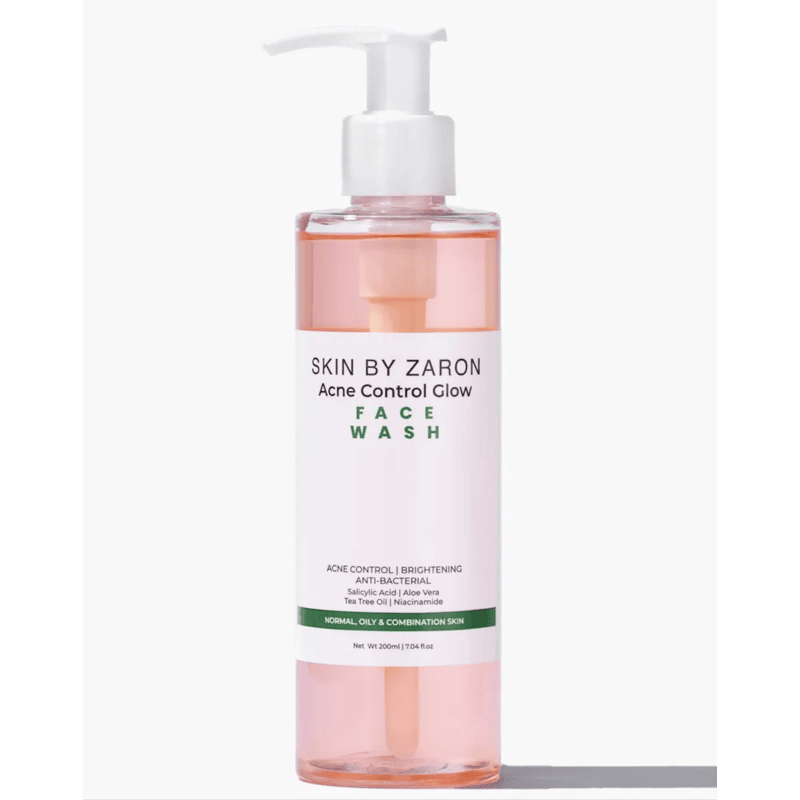
A gentle yet effective foaming cleanser formulated to fight acne, reduce excess oil, and brighten dull skin. Enriched with anti-inflammatory and antioxidant ingredients, it leaves skin refreshed, balanced, and glowing. This is a targeted product for congested or oily skin rather than a general-purpose daily wash.
Pros
- Anti-inflammatory ingredients address active breakouts at the cleansing stage, reducing the need for additional spot treatments
- Foaming base effectively removes excess oil and surface buildup from oily, combination, or acne-prone skin
- Brightening actives deliver visible improvement in skin clarity over consistent use
Cons
- Not appropriate for dry or sensitive skin where oil removal worsens dehydration and triggers reactivity
- Best used once daily rather than twice to avoid over-stripping the barrier
Face Cleanser Products
Face Facts Enhance Gel-Cream Cleanser
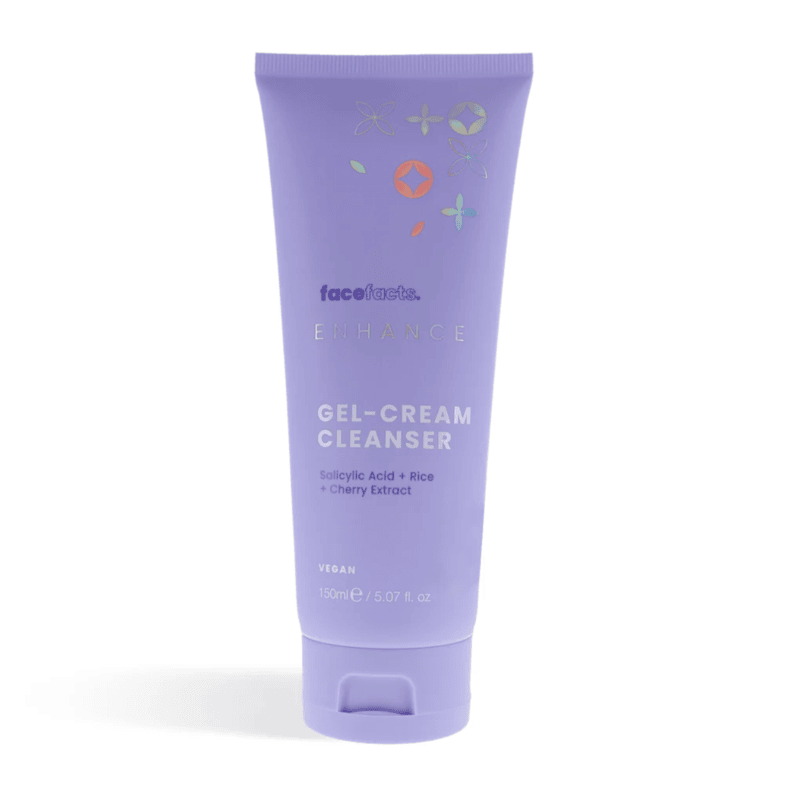
A gentle yet effective gel-to-cream cleanser enriched with niacinamide and vitamin E to cleanse, hydrate, and enhance skin’s natural glow, suitable for all skin types. At Face Facts, our approach focuses on formulating cleansers that do not ask your skin to recover from cleansing. The Enhance Gel-Cream Cleanser was built around the belief that the cleansing step should leave skin in a better condition than it found it, not simply a cleaner one.
Pros
- Niacinamide supports skin tone and barrier function during cleansing, delivering active benefit beyond impurity removal
- Gel-to-cream texture suits all skin types and transitions comfortably between morning and evening use
- Vitamin E maintains moisture balance and provides antioxidant support during and after the cleansing process
Cons
- The cream finish may feel too rich for very oily skin types, particularly during humid conditions
- Best paired with a dedicated face wash on days involving heavy SPF or long-wear cosmetics
Uncover I Am Energised Green Tea Revitalising Cleanser
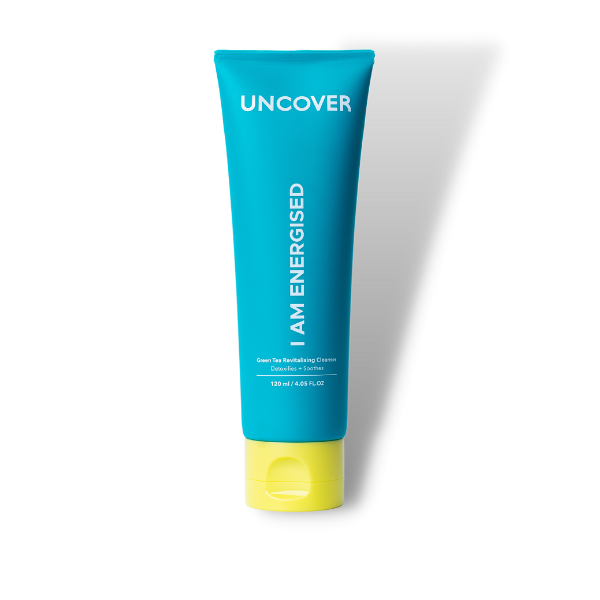
A refreshing gel-based cleanser infused with antioxidant-rich green tea to gently remove impurities, energise the skin, and leave the complexion feeling clean and revitalised. It suits those who want a lightweight daily cleanser with added antioxidant support that does not compromise on gentleness.
Pros
- Green tea antioxidants deliver skin benefit at the cleansing stage beyond basic impurity removal
- Lightweight gel base refreshes without the stripping effect associated with heavier surfactant formulas
- Energises the complexion and leaves a clean, revitalised finish suitable for daily use
Cons
- May not provide adequate removal on days involving full-coverage base products or long-wear SPF without a prior oil cleanse
- Very dry skin may find the gel base mildly drying with twice-daily use if not followed by a rich moisturiser
COSRX Low pH Good Morning Gel Cleanser
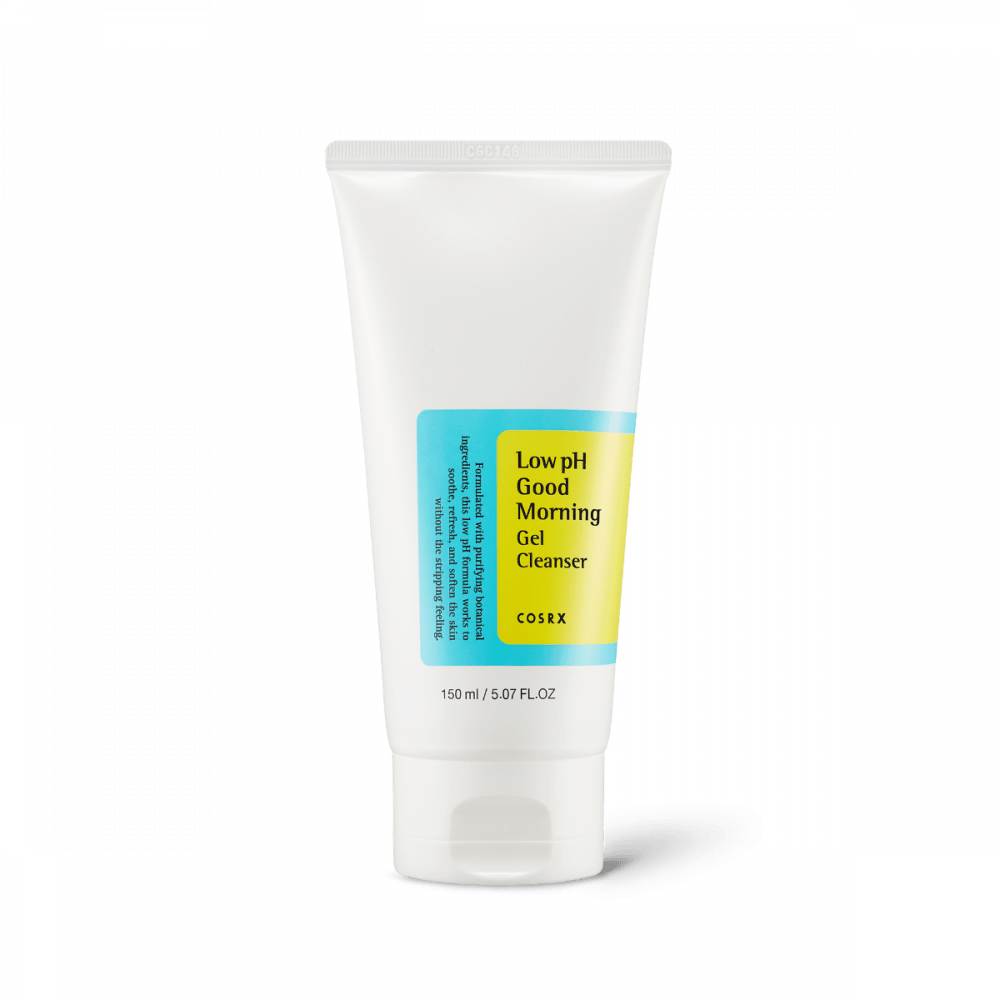
A gentle gel-type cleanser with a mildly acidic pH level that mirrors the skin’s natural acidity. While refining skin texture, it cleanses without stripping and suits all skin types. It supports a firmer-looking complexion over time and works effectively as both a morning and evening cleanse.
Pros
- Mildly acidic pH works in alignment with the skin’s natural chemistry, reducing barrier disruption with regular use
- Suitable for all skin types including sensitive skin that typically reacts to conventional foaming cleansers
- Refines skin texture over time, supporting a smoother complexion without additional exfoliation
Cons
- Low-lather texture may feel unfamiliar or insufficient to those conditioned to expect high foam
- Not optimally effective as a standalone cleanse on days involving heavy base products or full-coverage SPF
What the Differences Between Cleanser and Face Wash Mean for Your Skin
The differences between cleanser and face wash come down to formulation depth, pH behaviour, barrier impact, skin type suitability, and routine positioning. None of these are visible on the front of a bottle, which is why so many people cleanse with the wrong product for years without realising it.
The cleansing step is the foundation every other product depends on. A disrupted barrier absorbs subsequent actives unpredictably and resists the improvement a well-functioning skin can achieve with the same routine. If results have plateaued or skin is behaving inconsistently, the cleansing step is the most logical first variable to reassess. Applying what you now know about the differences between cleanser and face wash to that reassessment is the most direct route to a routine that actually performs.
The right cleanser or face wash will not ask your skin to choose between clean and comfortable. It will deliver both.
Frequently Asked Questions
Can I use a cleanser and a face wash in the same routine? Yes, and for many skin types this is the most effective approach. A double-cleanse uses a cleanser to remove oil-based residue such as sunscreen and makeup first, followed by a face wash to clear remaining impurities. This division of labour means neither product has to overperform, and the skin receives a thorough cleanse without excessive surfactant exposure.
Is a face wash better than a cleanser for acne? For oily or acne-prone skin, a face wash is generally more effective at clearing pore congestion. However, frequency matters as much as formulation. Using a face wash twice daily, particularly one with a high pH, can compromise the barrier and trigger increased oil production. A pH-balanced face wash used once daily alongside a gentle morning cleanser is a more sustainable approach.
Does a cleanser clean the face as thoroughly as a face wash? For most purposes, yes. A cream or gel-cream cleanser is entirely adequate for a morning routine when skin has not been exposed to heavy products. The assumption that a foaming lather is necessary for a thorough cleanse is a perception issue rather than a scientific one. Where cleansers fall short is after full SPF or long-wear cosmetics, where a face wash or double-cleanse is more appropriate.
What is the better option between cleanser and face wash for dry skin? A cleanser is almost always the more appropriate choice. Foaming face washes remove the natural oils and lipids that dry skin already produces in insufficient quantities. A cream or gel-cream cleanser maintains the skin’s moisture balance during cleansing and leaves the barrier in a better condition than it started.
How do you know if your cleanser or face wash is affecting your skin barrier? Persistent tightness after cleansing, increased reactivity to products previously tolerated without issue, and a dull or rough texture that moisturising does not resolve are the most reliable indicators. Transitioning to a barrier-supportive cleanser and reducing face wash use to once daily is typically sufficient to see measurable improvement within a few weeks.