

Hyaluronic acid has become one of the most recognisable ingredients in skincare, appearing on the labels of toners, serums, moisturisers, and sun creams alike. But beyond the marketing buzzword status, hyaluronic acid earns its reputation through genuine, well-researched mechanisms that produce visible results. Understanding the actual hyaluronic acid for the skin benefits helps you use the ingredient more intentionally rather than simply trusting that it must be doing something good because it appears on so many products.
This guide breaks down five specific benefits, explains the science behind each one, and recommends five products that deliver hyaluronic acid alongside complementary ingredients for more comprehensive results.
What Hyaluronic Acid Actually Is
Hyaluronic acid is a naturally occurring substance already present in human skin, connective tissue, and eyes. Its defining characteristic is an extraordinary capacity to bind and retain water, with a single molecule able to hold up to 1,000 times its own weight in water. The skin’s natural hyaluronic acid levels are highest in youth and decline progressively with age and environmental exposure, which is part of why skin loses its plumpness and develops fine lines over time.
When introduced topically, hyaluronic acid works as a humectant, drawing moisture from the environment and the deeper skin layers to the surface and holding it there. This single mechanism is responsible for the majority of the benefits this ingredient is known for, but the way that mechanism translates into visible skin improvement is worth examining specifically.
5 Benefits of Hyaluronic Acid for The Skin
1. Deep, Lasting Hydration
The most fundamental of all hyaluronic acid for the skin benefits is its hydrating capacity. Unlike heavier emollients that simply coat the skin surface, hyaluronic acid works at a cellular level, drawing water into the skin and keeping it there. This produces a different quality of hydration than oil-based moisturisers alone can achieve, one that plumps the skin from within rather than just sealing the surface.
For dehydrated skin, regardless of whether it is naturally oily or dry, hyaluronic acid addresses the water deficit directly. This is particularly relevant in Nigeria’s climate, where heat accelerates water loss from the skin and harmattan season strips moisture aggressively. Consistent use of hyaluronic acid restores and maintains the water content that environmental conditions are constantly working to deplete.
2. A Visibly Plumper, More Youthful Complexion
When skin cells are adequately hydrated, they appear fuller and rounder, which translates directly into a visibly plumper skin surface. This is one of the most immediately noticeable hyaluronic acid for the skin benefits, often visible within minutes of application as the skin takes on a smoother, more cushioned quality.
This plumping effect also temporarily reduces the appearance of fine lines and dehydration creases, the surface lines that become more pronounced when skin lacks adequate water content. While this is not a substitute for collagen-stimulating ingredients like retinol when it comes to deeper structural wrinkles, the visible softening of fine lines that hyaluronic acid provides is a genuine and immediate cosmetic benefit.
3. Improved Skin Barrier Function
Hyaluronic acid plays a supportive role in maintaining the skin’s protective barrier, the outermost layer responsible for retaining moisture and defending against environmental irritants. A well-hydrated skin barrier is more resilient, less prone to inflammation, and better equipped to recover from the daily stress of pollution, UV exposure, and active ingredients used elsewhere in a skincare routine.
This is one of the more underappreciated hyaluronic acid for the skin benefits, because barrier support is not always visibly dramatic but has significant long-term consequences for how reactive, sensitive, or resilient skin becomes over time.
4. Enhanced Absorption of Other Skincare Products
Hyaluronic acid’s ability to draw moisture to the skin surface also improves the penetration and effectiveness of products applied afterwards. Skin that is adequately hydrated absorbs serums, treatments, and moisturisers more efficiently than dry, dehydrated skin, which often struggles to absorb anything properly until its baseline moisture deficit is addressed.
This is why many skincare routines place a hyaluronic acid product early in the sequence, after cleansing and before treatment serums. The hyaluronic acid for the skin benefit here is indirect but significant: it makes every other product in your routine work better.
5. Support for Skin Elasticity and a Smoother Texture
With consistent use, hyaluronic acid contributes to improved skin elasticity and a noticeably smoother surface texture. Well-hydrated skin is more flexible and resilient, better able to resist the micro-trauma of daily movement and environmental exposure that gradually contributes to a rough, uneven texture over time.
This benefit compounds with continued use, meaning the longer hyaluronic acid remains part of a consistent routine, the more pronounced the improvement in overall skin texture and resilience becomes.
6 Signs Your Skin Needs More Hyaluronic Acid
If you are unsure whether your routine needs more hyaluronic acid for the skin support, these signs are worth paying attention to:
- Your skin looks dull even immediately after moisturising, suggesting the issue is a water deficit rather than an oil deficit.
- Fine lines appear more noticeable by midday or in dry environments, indicating dehydration rather than deeper structural ageing.
- Your skin feels tight after cleansing, a classic sign that moisture is being stripped faster than it is replenished.
- Products seem to sit on the surface rather than absorbing properly, which often improves once a hydrating step is added before other treatments.
- Your skin is oily but still feels uncomfortable or tight, the hallmark of dehydrated oily skin, which hyaluronic acid addresses without adding extra oil.
- You notice your skin looking visibly different in humid versus dry conditions, suggesting your current routine is not adequately maintaining moisture independent of ambient humidity.
The 5 Best Products for Hyaluronic Acid Benefits
1. Abib Glutathiosome Dark Spot Toner Skin Booster — Best for Hydration and Brightening Together
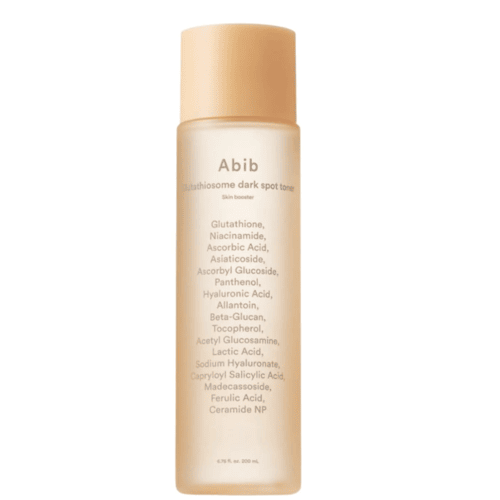
The Abib Glutathiosome Dark Spot Toner Skin Booster combines hyaluronic acid’s hydrating function with active brightening ingredients including Glutathiosome, Niacinamide, and PlusSome Vitamin C, addressing hyperpigmentation and dullness alongside core hydration. Used as the first step after cleansing, it delivers the hyaluronic acid for the skin benefit of preparing the skin to absorb subsequent products more effectively while simultaneously working to even skin tone.
For anyone dealing with dark spots and dehydration at the same time, this booster addresses both concerns in a single lightweight step rather than requiring separate products for each.
Pros:
- Combines hydration with active melanin-inhibiting brightening ingredients in one step
- Lightweight booster format improves absorption of products applied afterwards
- Suitable as the first step in a routine for both hydration and tone correction
- Reduces hyperpigmentation and dullness with consistent daily use
Cons:
- Brightening results develop progressively over several weeks rather than immediately
- Primary focus on dark spots means hydration is secondary to its core function
2. Anua Azelaic 10 Hyaluron Redness Soothing Pad — Best for Sensitive, Reactive Skin
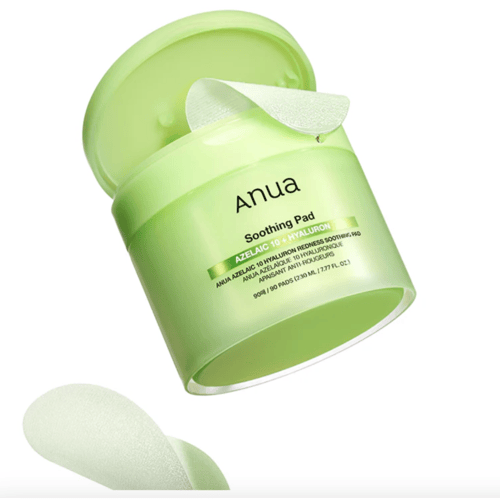
The Anua Azelaic 10 Hyaluron Redness Soothing Pad pairs hyaluronic acid with azelaic acid and a 7 Cica Complex specifically for sensitive skin dealing with redness and irritation. This combination delivers the calming, soothing benefit alongside hydration, making it one of the more targeted ways to access hyaluronic acid for the skin support without the risk of further sensitising already reactive skin.
The stretchable pad format allows the product to adhere comfortably to larger areas of concern, left on for five to ten minutes for a more concentrated soothing and hydrating treatment than a standard toner application provides.
Pros:
- Azelaic acid and Cica Complex soothe redness while hyaluronic acid hydrates simultaneously
- Stretchable pad format covers larger areas of concern comfortably and effectively
- Clinically tested to reduce excess oil, sebum production, and visible redness
- Suitable for sensitive skin that reacts poorly to standard hydrating toners
Cons:
- Pad format requires more product per use than a standard liquid toner application
- Best used as a targeted treatment for redness rather than an everyday hydration step
3. NineLess Essentials UV Shield Soothing Sun Cream SPF 50 — Best for Hydrated Sun Protection
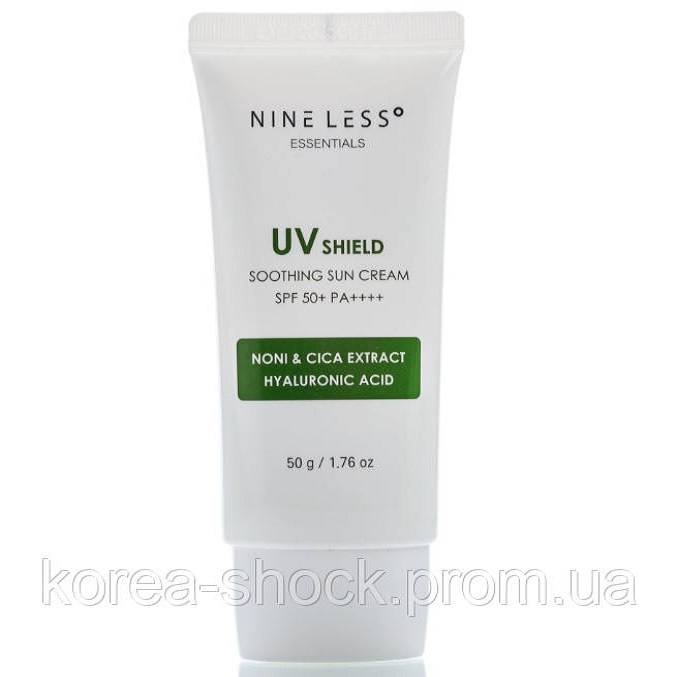
Sun protection and hydration are often treated as separate steps, but the NineLess Essentials UV Shield Soothing Sun Cream SPF 50 combines both, ensuring that the hyaluronic acid for the skin benefit of moisture retention is not lost during the most important protective step of any morning routine. A sunscreen that hydrates rather than drying out the skin makes daily SPF use far more comfortable and sustainable.
For anyone whose skin tends to feel tight or dehydrated after applying standard sunscreens, this soothing formula addresses that discomfort directly while maintaining full SPF 50 protection.
Pros:
- SPF 50 protection combined with hydrating and soothing ingredients in a single product
- Prevents the tightness and dehydration that standard sunscreens can cause
- Suitable for daily use as the final step of a hydrating morning routine
- Soothing formulation reduces the likelihood of irritation from daily sunscreen wear
Cons:
- Sunscreen-specific formulation means it should not replace a dedicated hydrating serum
- Best paired with a hyaluronic acid serum beforehand for more comprehensive hydration
4. Revuele Liquid Facial Exfoliant 7% AHA/PHA Blend + HA — Best for Exfoliation Without Dehydration
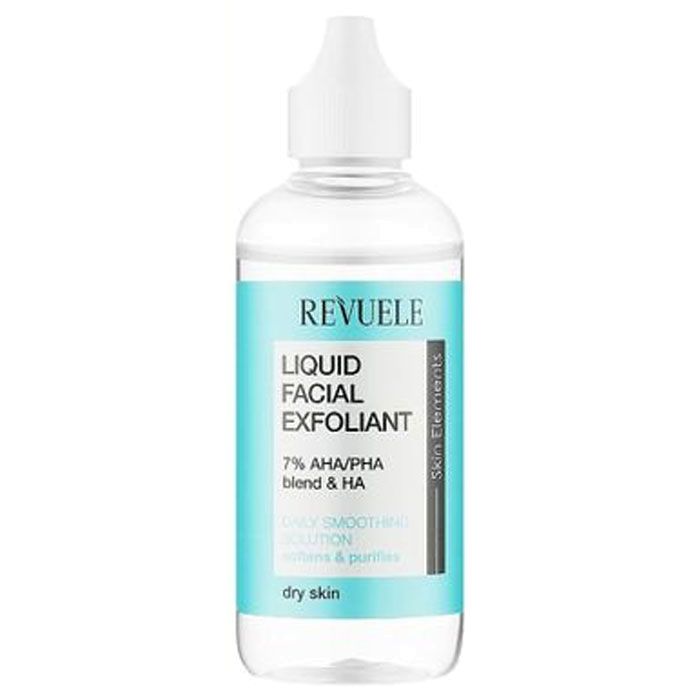
Exfoliating acids are notorious for leaving skin feeling tight and dehydrated, which is precisely the problem the Revuele Liquid Facial Exfoliant addresses by including hyaluronic acid alongside its 7% AHA and PHA blend. This pairing ensures that the hyaluronic acid for the skin benefit of hydration directly counteracts the temporary moisture loss that exfoliating acids can cause.
The result is a smoother, brighter complexion from the acid exfoliation without the post-exfoliation dryness that often accompanies similar products formulated without a hydrating counterpart.
Pros:
- Hyaluronic acid offsets the dehydrating effect of AHA and PHA exfoliation
- 7% acid blend gently exfoliates and renews the skin’s surface for visible brightness
- Suitable for those who want exfoliation benefits without compromising skin hydration
- 125ml size provides good value for a regular exfoliating step in the routine
Cons:
- AHA content increases sun sensitivity, making daily SPF essential after use
- Should be introduced gradually for those new to chemical exfoliation
5. Urban Skin Rx Radiant and Bright Glowing Moisturizer — Best for Daily Hydration and Radiance
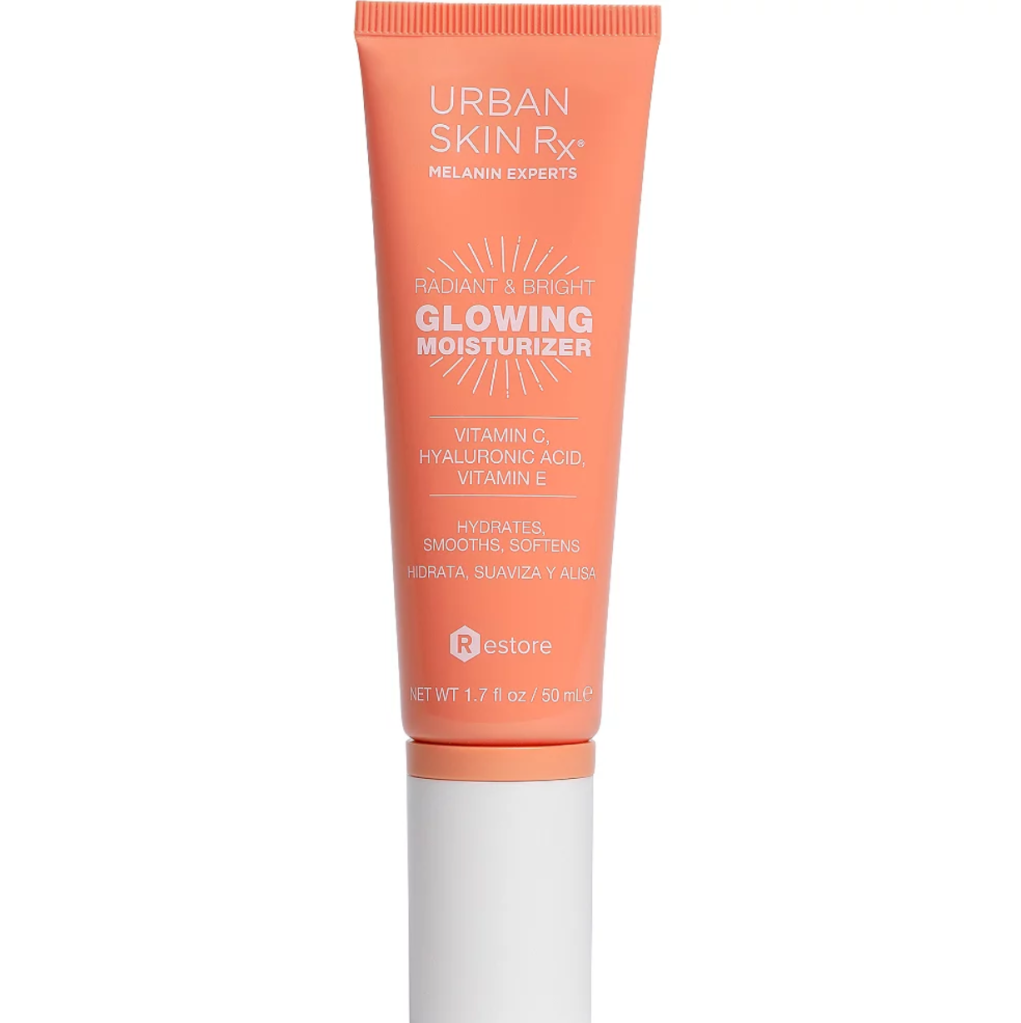
The Urban Skin Rx Radiant and Bright Glowing Moisturizer rounds out a hydration-focused routine as a daily moisturiser designed to brighten the complexion, even skin tone, and provide lasting hydration. As the sealing step in a routine built around hyaluronic acid for the skin benefits, this moisturiser locks in the hydration delivered by preceding toners and serums while contributing its own tone-evening and radiance benefits.
Pros:
- Provides lasting hydration as an effective sealing step after hydrating serums or toners
- Brightens complexion and evens skin tone alongside its core moisturising function
- Suitable for daily use as a reliable, comprehensive moisturising step
- Contributes to an overall luminous, healthy-looking glow with consistent use
Cons:
- Best used alongside a dedicated hyaluronic acid serum for maximum hydration depth
- Brightening results require consistent daily use over several weeks to become visible
Building a Routine Around Hyaluronic Acid for The Skin
Morning: Cleanse, apply Abib Glutathiosome Toner to damp skin, apply Urban Skin Rx Glowing Moisturizer, finish with NineLess UV Shield Sun Cream SPF 50.
Evening: Cleanse, apply Revuele Liquid Facial Exfoliant two to three times weekly, use Anua Azelaic Hyaluron Pad as needed for redness, seal with Urban Skin Rx Glowing Moisturizer.
At Perona Beauty, all five products featured in this guide are available in store. Visit us at 120 Ogudu Road, Opposite Debonairs Pizza, Ogudu, Lagos, or at 42 Ademolu House, Ita Eko, Abeokuta. Our team will help you build a routine that delivers genuine hyaluronic acid for the skin benefits suited to your specific skin type.
Hyaluronic Acid Belongs in Every Routine
The hyaluronic acid for the skin benefits outlined here, deep hydration, visible plumping, barrier support, improved product absorption, and better long-term texture and elasticity, make this one of the most universally relevant ingredients in skincare regardless of skin type or primary concern.
The five products in this guide each deliver hyaluronic acid alongside complementary ingredients suited to different routine needs, from brightening to soothing to exfoliation. Choose based on where your routine currently has gaps, and build hydration into the foundation of your skincare rather than treating it as an afterthought.
Frequently Asked Questions About Hyaluronic Acid for The Skin
Can hyaluronic acid make my skin oilier?
No. Hyaluronic acid hydrates without adding oil, making it suitable for oily skin types. In fact, properly hydrated oily skin often produces less excess sebum, since oil overproduction is frequently a compensatory response to underlying dehydration.
Should I apply hyaluronic acid to wet or dry skin?
Always apply to damp skin. Hyaluronic acid draws moisture from its surroundings, and applying it to completely dry skin in a dry environment can occasionally draw moisture from deeper skin layers rather than the air, which is counterproductive.
Can I use hyaluronic acid with exfoliating acids?
Yes, and the Revuele Liquid Facial Exfoliant is specifically formulated this way. Hyaluronic acid counteracts the temporary dehydration that AHA and PHA exfoliation can cause, making this combination one of the more practical pairings in skincare.
How often should I use hyaluronic acid products?
Twice daily, morning and evening, is the standard recommendation for maintaining consistent hydration. Hyaluronic acid is gentle enough for daily use without any restriction on frequency.