
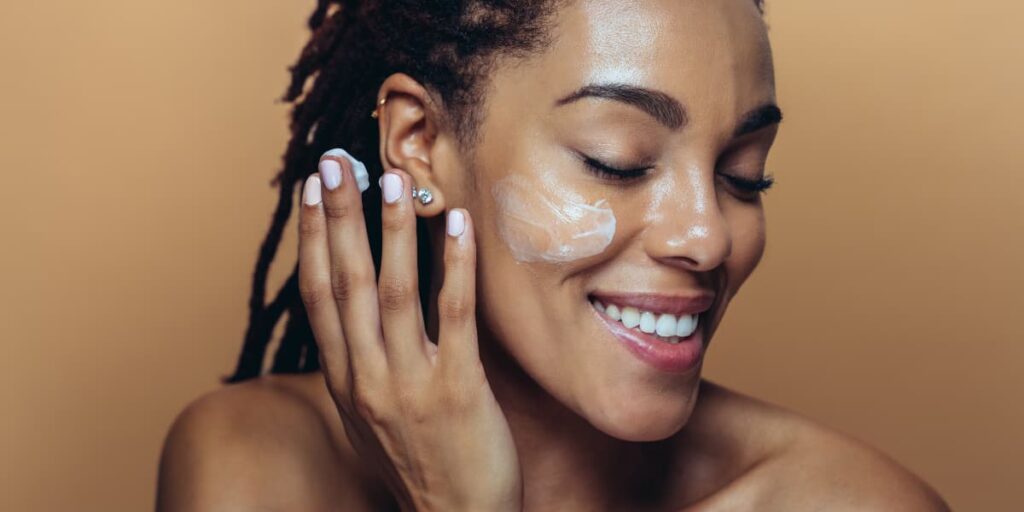
Sunscreen is the single most important step in any skincare routine, and yet it is the step most people get wrong. Either they skip it entirely, choose a formula that feels uncomfortable and stop using it within weeks, or apply so little product that the protection on the label is never actually achieved on the skin. Learning to choose the right sunscreen is not complicated once you understand what actually matters, but most people are never told what to look for beyond the SPF number on the front of the bottle.
This guide breaks down ten practical, actionable tips to choose the right sunscreen for your skin type, climate, and daily routine, followed by four products that meet the standard this guide sets.
Why Choosing the Right Sunscreen Matters More Than People Realise
Before the tips, it is worth understanding the stakes. UV radiation is the single greatest external accelerator of skin ageing, collagen breakdown, and hyperpigmentation. In Nigeria specifically, year-round intense sun exposure means that unprotected skin accumulates UV damage continuously, not just during obviously sunny periods. For melanin-rich skin, this damage frequently shows up as dark spots, uneven tone, and post-inflammatory hyperpigmentation rather than visible burning, which leads many people to wrongly assume their skin does not need protection.
The sunscreen you choose needs to be one you will actually use every single day, because inconsistent use provides inconsistent protection. This is why choose the right sunscreen is fundamentally a question of fit, not just SPF number. The best sunscreen on paper is useless if its texture, finish, or scent makes you want to skip it.
10 Tips to Choose The Right Sunscreen
1. Look for broad-spectrum protection, not just a high SPF number.
SPF only measures protection against UVB rays, the rays responsible for sunburn. UVA rays, which penetrate deeper and are the primary driver of premature ageing and pigmentation, are not reflected in the SPF number at all. Always confirm the sunscreen is labelled broad-spectrum, meaning it protects against both UVA and UVB.
2. Choose SPF 30 at minimum, but SPF 50 for daily use in Nigeria.
SPF 30 blocks approximately 97% of UVB rays, while SPF 50 blocks around 98%. The difference seems small, but in a climate with year-round intense UV exposure, that additional percentage matters over the cumulative exposure of months and years. SPF 50 is the more practical daily standard for Nigerian skin.
3. Match the texture to your skin type, not the marketing.
Oily and acne-prone skin needs a gel or fluid formula that will not clog pores or add shine. Dry skin benefits from a lotion or cream formula with added hydrating ingredients. Sensitive skin needs a formula specifically labelled for sensitivity, usually fragrance-free with calming ingredients included.
4. Prioritise a formula you will actually enjoy wearing daily.
The best way to choose the right sunscreen is to ask whether you would genuinely want to put this product on your face every single morning for the rest of your life. If the answer is no, because of greasiness, white cast, or an unpleasant scent, keep looking. Consistency beats perfection on paper.
5. Check for additional skin benefits if you are managing other concerns.
Many modern sunscreens now include brightening, hydrating, or soothing ingredients alongside their UV protection. If you are dealing with dark spots, dehydration, or sensitivity, a sunscreen that addresses these concerns simultaneously reduces the number of products in your routine.
6. Avoid sunscreens that leave a visible white cast on deeper skin tones.
Many mineral sunscreens, while excellent for sensitive skin, leave a chalky white residue that is particularly visible on melanin-rich skin. Look for tinted mineral formulas or well-formulated chemical sunscreens if white cast has been a barrier to consistent use for you.
7. Consider your daily activities when selecting water resistance.
If you exercise, sweat heavily, or spend extended time outdoors, water resistance matters significantly. A sunscreen that is not water or sweat resistant will need much more frequent reapplication to maintain its protective level throughout an active day.
8. Pay attention to how the sunscreen performs under makeup.
If you wear makeup daily, choose a sunscreen formula known to work well as a base layer without pilling, sliding, or affecting how foundation sits on the skin. A sunscreen that disrupts your makeup routine is one you will eventually start skipping.
9. Do not assume a moisturiser with SPF replicates a dedicated sunscreen’s protection.
Moisturisers with SPF built in are convenient but often applied in quantities too thin to achieve their labelled protection level, since people apply moisturiser sparingly compared to how much sunscreen actually requires. For guaranteed protection, a dedicated sunscreen applied at the correct quantity is more reliable.
10. Read the full ingredient list if you have known sensitivities.
Certain chemical filters can cause irritation or breakouts in reactive skin. If you have a history of sensitivity to specific sunscreen ingredients, checking the full ingredient list before purchase prevents the frustration of buying a product you cannot tolerate.
What Makes a Sunscreen Genuinely Good for Nigerian Skin
Beyond the general tips above, Nigerian skin and climate present specific considerations worth understanding when you choose the right sunscreen locally.
Heat and humidity mean lightweight, fast-absorbing formulas consistently outperform heavier creams, which feel uncomfortable and are more likely to be skipped. Melanin-rich skin benefits from sunscreens that include brightening or anti-pigmentation ingredients, since UV-triggered hyperpigmentation is one of the most common skin concerns in Nigeria. And because outdoor exposure is a daily reality rather than an occasional event, a sunscreen needs to be genuinely wearable for hours, not just adequate for a brief test application.
The 4 Best Sunscreens That Meet These Standards
1. Eucerin Sensitive Protect SPF 50+ Sun Lotion — Best for Sensitive Skin
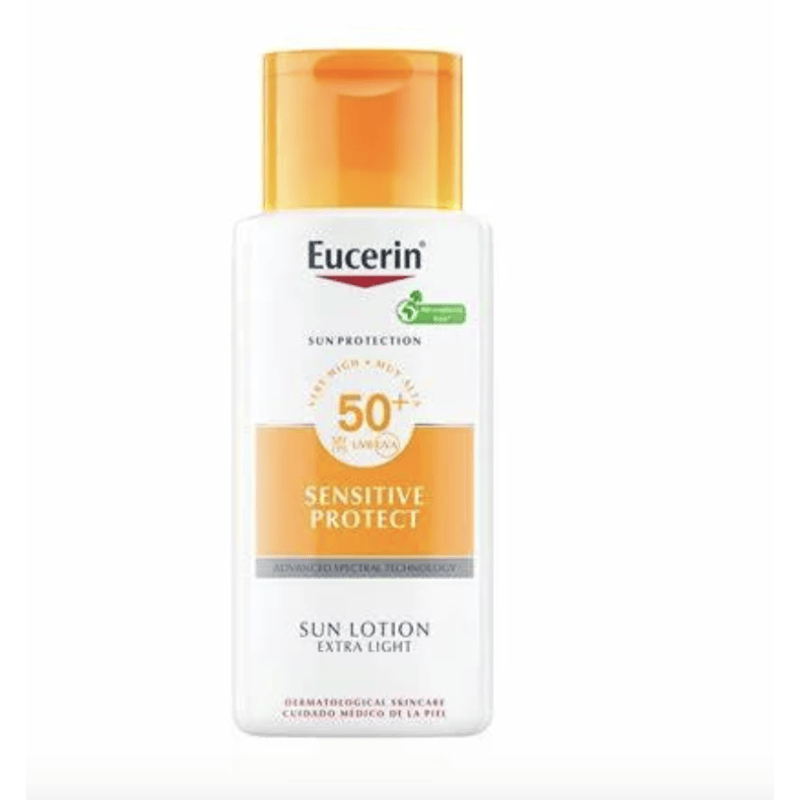
For anyone whose skin reacts to standard sunscreens with redness, stinging, or breakouts, the Eucerin Sensitive Protect SPF 50+ Sun Lotion is formulated specifically to remove that barrier. It provides high broad-spectrum protection against UVA and UVB rays while maintaining comfort and hydration, which directly addresses one of the most important tips on this list: choosing a formula you will actually want to wear daily.
The lotion texture absorbs well without the heaviness that makes sensitive skin more reactive, and its protective formulation addresses sun-induced damage and premature ageing alongside its core UV defence. For Lagos heat specifically, the comfortable, non-irritating finish makes consistent daily use genuinely achievable.
Pros:
- SPF 50+ broad-spectrum protection formulated specifically for sensitive and reactive skin
- Comfortable, hydrating finish supports consistent daily wear without irritation
- Protects against premature ageing and sun-induced damage beyond basic UV defence
- Suitable for daily use in Nigeria’s intense year-round UV conditions
Cons:
- Lotion texture may feel slightly richer than gel-based alternatives for very oily skin
- Premium positioning means it sits at a higher price point than basic sunscreen options
2. La Roche-Posay Anthelios UVMUNE 400 Hydrating Cream SPF 50+ — Best for Comprehensive UV Protection
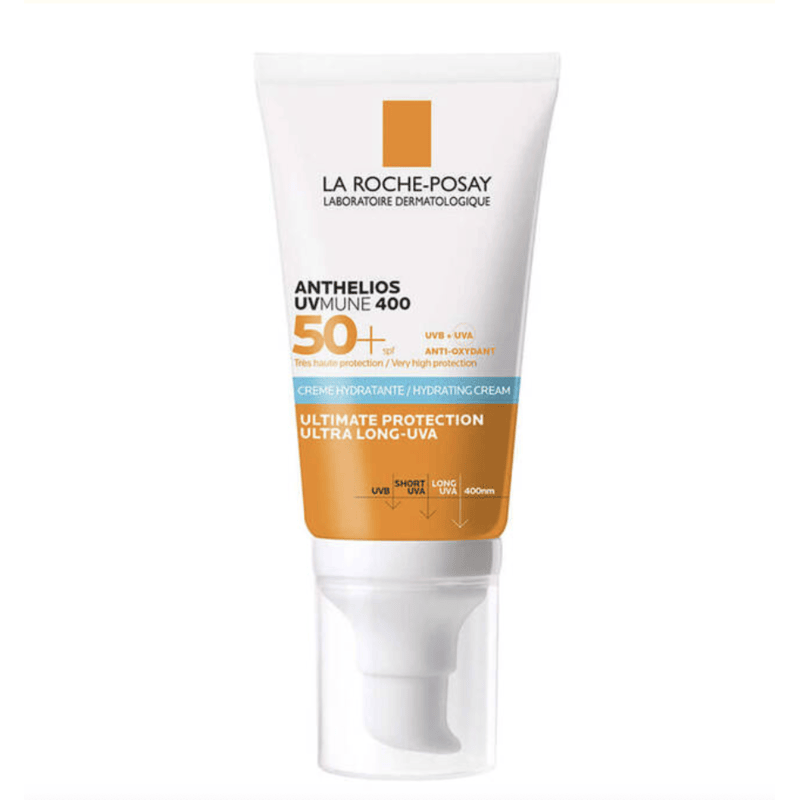
The La Roche-Posay Anthelios UVMUNE 400 stands out by addressing a category of UV rays that most sunscreens do not specifically target: ultra-long UVA rays, which penetrate even deeper into the skin than standard UVA and contribute significantly to deep collagen breakdown and pigmentation. This makes it one of the most comprehensively protective options when you choose the right sunscreen for long-term anti-ageing concerns.
The hydrating cream formula is non-greasy despite its rich protective profile, addressing dryness, dark spots, and premature ageing simultaneously. For anyone prioritising the most thorough UV defence available alongside genuine daily comfort, this is one of the strongest formulations on the market.
Pros:
- Protects against UVA, UVB, and ultra-long UVA rays for the most comprehensive coverage available
- Hydrating, non-greasy formula supports comfortable daily wear
- Addresses dark spots and premature ageing alongside core sun protection
- High SPF 50+ rating suitable for Nigeria’s intense daily UV exposure
Cons:
- Premium pricing reflects its advanced UV filter technology and formulation sophistication
- Cream texture may require a powder setting step for those with very oily skin wearing makeup
3. Derma:B Everyday Sunscreen SPF 50+ — Best Lightweight Daily Sunscreen
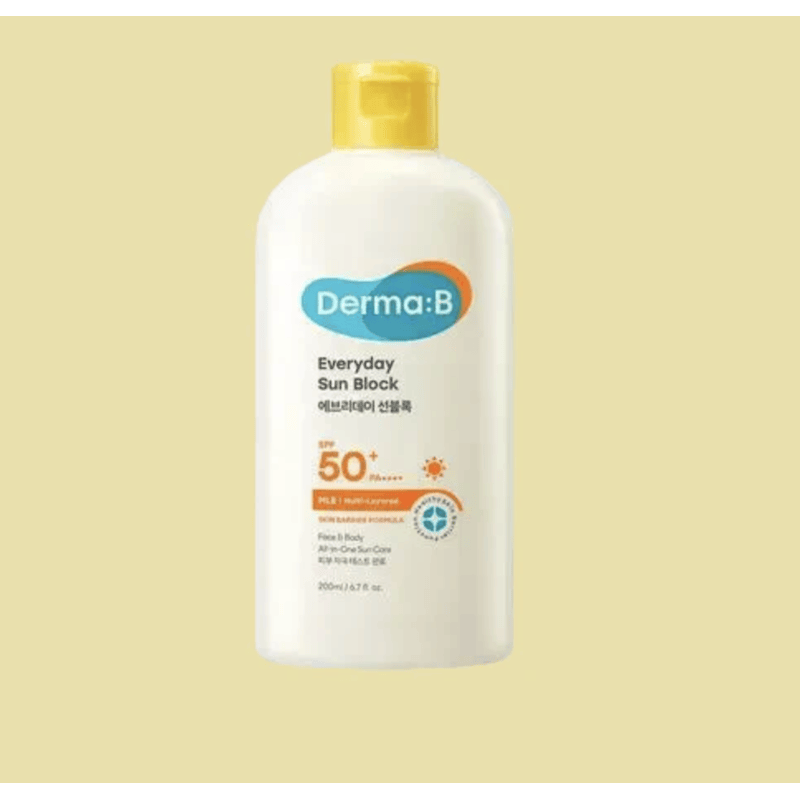
The Derma:B Everyday Sunscreen SPF 50+ is built around exactly what its name suggests: genuine, sustainable daily wearability. Its lightweight broad-spectrum formula protects against UVA and UVB rays while remaining comfortable enough for consistent use, addressing the most important factor in any decision to choose the right sunscreen: whether you will actually use it every day.
Soothing and moisturising ingredients within the formula prevent the dryness and discomfort that causes many people to abandon their sunscreen routine. For anyone building a simple, effective daily protection habit without complexity or excessive cost, this is one of the most practical options available.
Pros:
- Lightweight broad-spectrum SPF 50+ formula designed specifically for everyday comfortable wear
- Soothing and moisturising ingredients prevent the dryness that disrupts consistent use
- Protects against dark spots and premature ageing alongside core UV defence
- Accessible and practical for building a sustainable daily sunscreen habit
Cons:
- Simpler formulation does not include the advanced ultra-long UVA protection of premium alternatives
- Best suited to general daily protection rather than targeted anti-ageing treatment
4. Dang Hydra Glow Sun Protection Gel — Best for a Natural, Dewy Finish
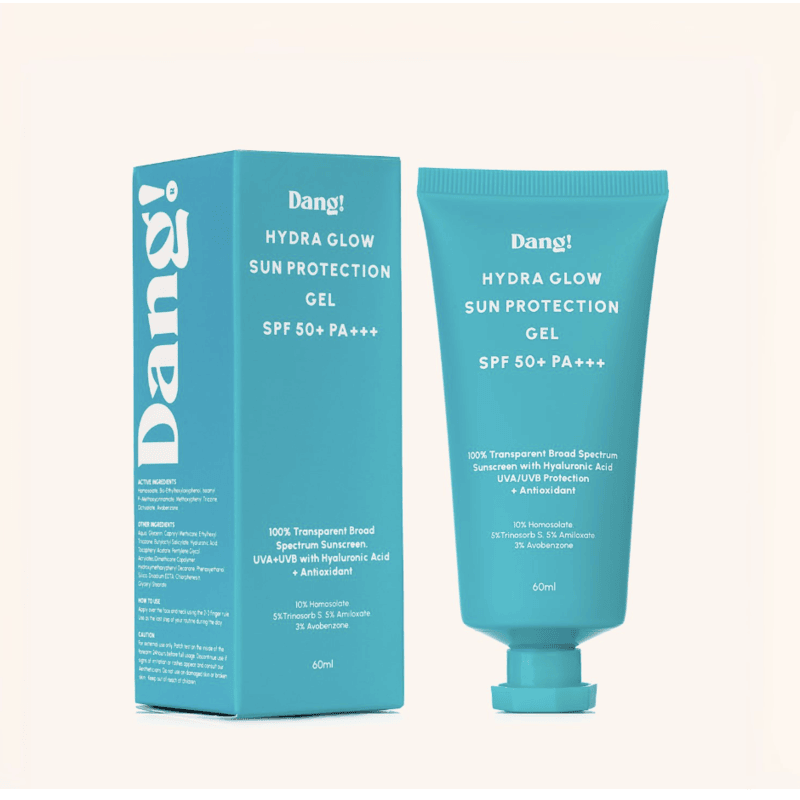
For anyone who finds standard sunscreens too matte or heavy, the Dang Hydra Glow Sun Protection Gel offers UV protection with a noticeably different finish. Its lightweight gel formula protects against UVA and UVB rays while delivering hydration and a natural glow, making it particularly appealing for those who want their sunscreen to enhance rather than flatten their skin’s appearance.
This addresses an underappreciated aspect of how to choose the right sunscreen: aesthetic preference genuinely affects consistency. A sunscreen that leaves skin looking dewy and healthy rather than flat or chalky is one that people are far more likely to reach for every single morning.
Pros:
- Lightweight gel texture delivers UV protection alongside a natural, dewy glow finish
- Moisturising and skin-conditioning ingredients prevent dryness while protecting from sun damage
- Helps prevent dark spots and premature ageing alongside its hydrating glow effect
- Gel format suits oily and combination skin types looking for a non-matte finish
Cons:
- Glow finish may feel slightly more visible than preferred for those wanting a fully matte look
- Gel texture may require reapplication more frequently during heavy sweating or intense heat
How to Apply Your Sunscreen Correctly
Choosing the right product is only half the equation. Apply a full teaspoon for the face and neck, roughly two finger-lengths of product, to achieve the SPF protection stated on the label. Reapply every two hours during direct sun exposure, and immediately after swimming or heavy sweating. Apply sunscreen as the final step of your morning skincare routine, after moisturiser and before makeup.
At Perona Beauty, all four sunscreens featured in this guide are available in store. Visit us at 120 Ogudu Road, Opposite Debonairs Pizza, Ogudu, Lagos, or at 42 Ademolu House, Ita Eko, Abeokuta. Our team will help you choose the right sunscreen for your specific skin type and daily routine.
The Right Sunscreen Is the One You Will Actually Use
The most important principle in this entire guide is simple: the best sunscreen is the one that fits seamlessly into your daily life. When you choose the right sunscreen based on your skin type, your climate, and your genuine preferences for texture and finish, you create the consistency that produces real, long-term protection.
The four products in this guide, Eucerin Sensitive Protect, La Roche-Posay Anthelios UVMUNE 400, Derma:B Everyday Sunscreen, and Dang Hydra Glow, each address a different skin need and finish preference. Use the ten tips above to identify what matters most for your skin, choose accordingly, and apply it every single morning without exception.
Frequently Asked Questions About How to Choose The Right Sunscreen
Do I need sunscreen if my skin is dark and rarely burns?
Yes. Melanin provides some natural UV protection but not enough to prevent UV-induced collagen breakdown, premature ageing, or hyperpigmentation. Darker skin tones are actually more prone to visible UV-triggered dark spots and uneven tone, making daily sunscreen use essential regardless of burn risk.
How do I choose the right sunscreen if I have oily, acne-prone skin?
Look for lightweight gel or fluid formulas labelled non-comedogenic and oil-free. The Dang Hydra Glow Sun Protection Gel and Derma:B Everyday Sunscreen are both suitable lightweight options that will not contribute to pore congestion or excess shine.
Is a higher SPF always better?
Beyond SPF 50, the difference in protection becomes marginal. SPF 50 blocks about 98% of UVB rays while SPF 100 blocks roughly 99%. The bigger factor in actual protection is application quantity and reapplication frequency, not chasing an increasingly high SPF number.
Can I skip sunscreen on cloudy or rainy days?
No. Up to 80% of UV rays penetrate cloud cover, meaning skin is still exposed to significant UV radiation even when the sun is not visibly shining. Daily sunscreen use, regardless of weather, is the only way to maintain consistent protection.