
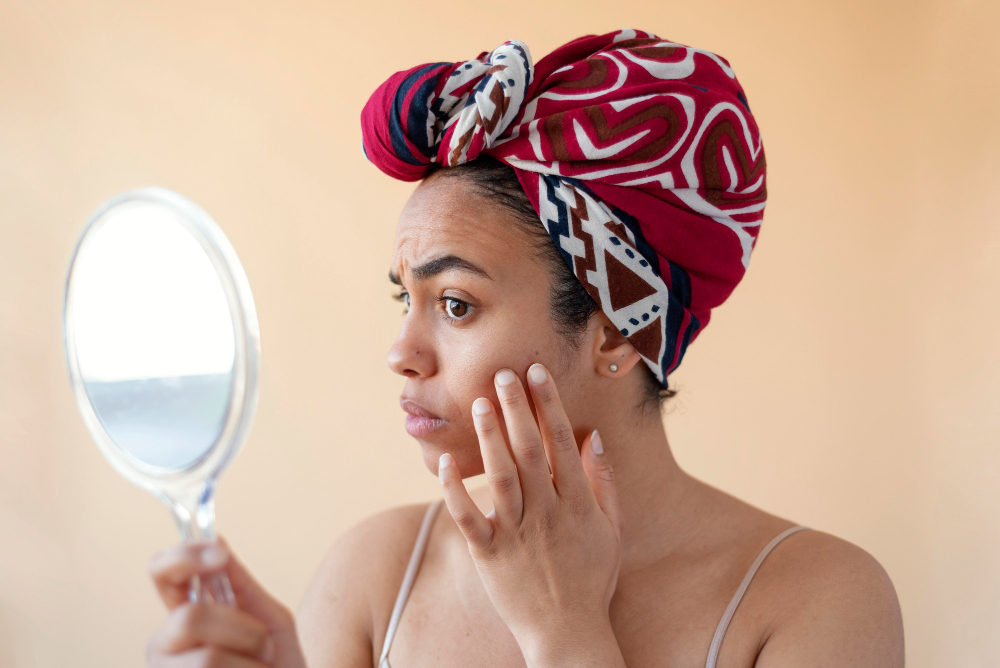
Sunburn is one of the most common and most underestimated skin concerns. The instinct is to treat it as something superficial, a flush that will simply fade on its own. But sunburn triggers a genuine inflammatory response, and without the right care, it can linger for days, lead to peeling, and cause lasting damage to the skin barrier.
Understanding how to address redness on the face (1) from sunburn requires more than reaching for whatever is in your bathroom cabinet. Cooling the skin is only the first step. What follows, the products you apply, the ingredients they contain, and how consistently you use them, determines how quickly your skin recovers.
This guide focuses on five creams specifically formulated to calm inflammation, restore the skin barrier, and reduce the visible flush that sun damage leaves behind.
Why Does Sunburn Cause Redness on the Face?
When UV radiation penetrates the skin, it damages the DNA of skin cells and triggers an immune response. Blood vessels near the surface dilate to deliver immune cells to the affected area, and that dilation is what produces redness on the face (2) associated with sunburn. The face is particularly vulnerable because it receives more direct sun exposure than most body areas and has thinner, more reactive skin.
This is not just a cosmetic concern. It is a signal that the skin barrier has been compromised. The skin’s protective lipid layer, responsible for keeping moisture in and irritants out, is disrupted, which is why sunburned skin feels tight, sensitive, and reactive to products that would normally cause no issue at all.
Treating redness on the face (3) after sunburn is really a question about barrier repair and inflammation control, not just colour reduction. Products that only cool the skin provide temporary relief. Products that rebuild the barrier and address the underlying inflammation produce lasting recovery.
What Ingredients Actually Work for Sunburn-Related Facial Redness?
Not every soothing ingredient is equal. The most effective are those that combine anti-inflammatory activity with barrier-repairing properties.
Centella Asiatica, also known as Cica, is the most widely validated ingredient for this purpose. It contains compounds including madecassoside and asiaticoside, which reduce inflammation, stimulate collagen repair, and calm sensitised skin without irritation.
Ceramides are equally important. They are the lipids that make up the skin barrier itself, and sunburn depletes them rapidly. Replacing ceramides topically accelerates barrier recovery and reduces the prolonged sensitivity that follows sun damage.
Heartleaf extract and aloe vera also feature across these formulations, each contributing to calming irritation, restoring hydration, and supporting the skin’s return to a healthy baseline.
How to Get Rid of Redness on the Face With the Right Cream
1. Face Facts Cica Correcting Gel Cream
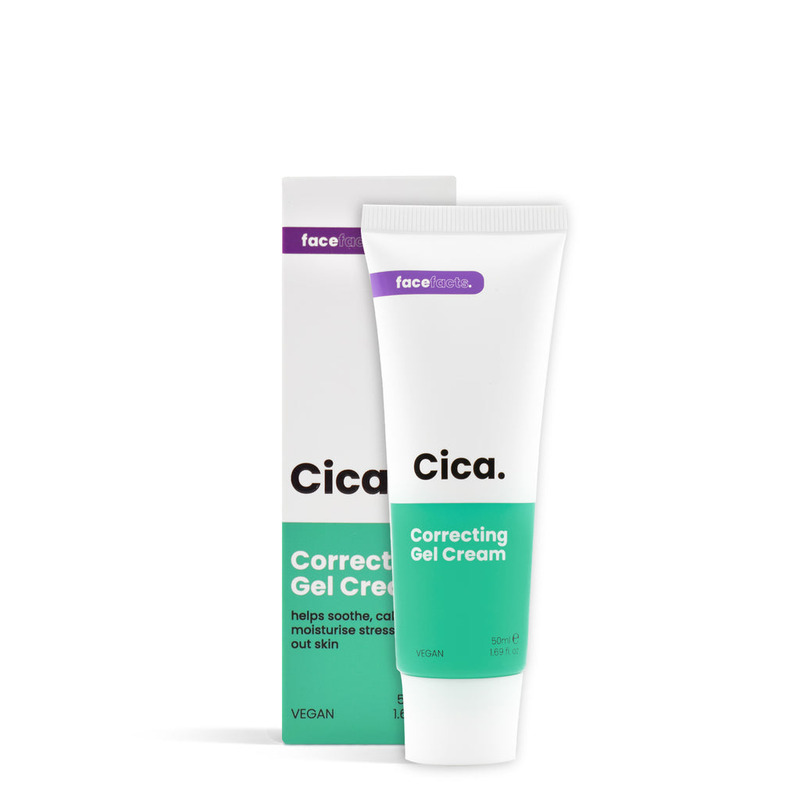
For sunburn specifically, the Face Facts Cica Correcting Gel Cream is one of the most direct interventions available. Its primary active ingredient is Centella Asiatica, with strong clinical backing for reducing skin inflammation, calming irritation, and supporting barrier recovery, precisely the three things sunburned skin needs most.
The gel-cream texture is an important practical detail. Heavier creams can feel suffocating on skin that is already hot and reactive. This lightweight format allows the actives to reach the skin without adding heat or occlusion, making it a comfortable first response when dealing with redness on the face (4) immediately after sun exposure.
It is also formulated for sensitive and acne-prone skin, meaning it is unlikely to cause secondary breakouts, a common problem when people apply overly rich products to sunburned skin.
Pros:
- Centella Asiatica directly targets the inflammation driving post-sunburn irritation
- Lightweight gel-cream texture is comfortable on hot, reactive skin
- Reduces both visible redness and irritation with consistent use
- Suitable for sensitive and acne-prone skin types
Cons:
- May require layering with a richer moisturiser for very dry or peeling skin
- Results on severe sunburn are gradual rather than immediate
2. Topicrem Cica Soothing Cream
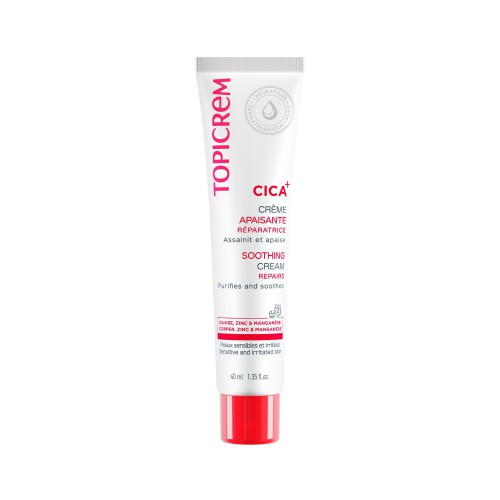
Most soothing creams focus on calming inflammation from the outside in. The Topicrem Cica Soothing Cream works differently, its formulation is built around epidermal repair, targeting the structural breakdown that sunburn causes at the skin level rather than simply addressing surface discomfort.
The key to its effectiveness lies in the copper, zinc, and manganese complex at its core. These trace minerals work together to promote epidermal repair and reduce the risk of bacterial proliferation — a combination that matters significantly after sunburn, when a compromised skin barrier becomes vulnerable to secondary infection and delayed healing. This is not a cosmetic claim; it is a clinically grounded approach to tissue recovery.
Hyaluronic acid supports this repair process by drawing moisture into the skin and maintaining hydration at a cellular level, while glycerin forms a protective layer over the barrier to prevent further moisture loss. Together, these ingredients address both the structural damage and the dehydration that sunburn leaves behind.
Originally developed for skin irritations across a broad range of conditions, from post-procedure skin to everyday sores and cracks, the Topicrem formula is gentle enough for the whole family, which speaks to how well-tolerated it is even on the most reactive skin. For those managing redness on the face (keyword instance) from sunburn, its transparent, non-greasy, non-sticky texture makes it one of the most practical options on this list for consistent daily use.
Pros:
- Copper, zinc, and manganese complex actively promotes epidermal repair after sun damage
- Hyaluronic acid and glycerin work together to restore and protect the skin barrier
- Non-greasy, non-sticky, transparent texture is practical for daily facial use
- Gentle enough for sensitive skin across all ages, including post-procedure skin
Cons:
- The 40ml size is small for full-body use and may run out quickly with generous application
- Primarily a repair cream, those seeking strong anti-inflammatory action may need to pair it with a Centella-based formula
3. Anua Heartleaf 70% Soothing Cream
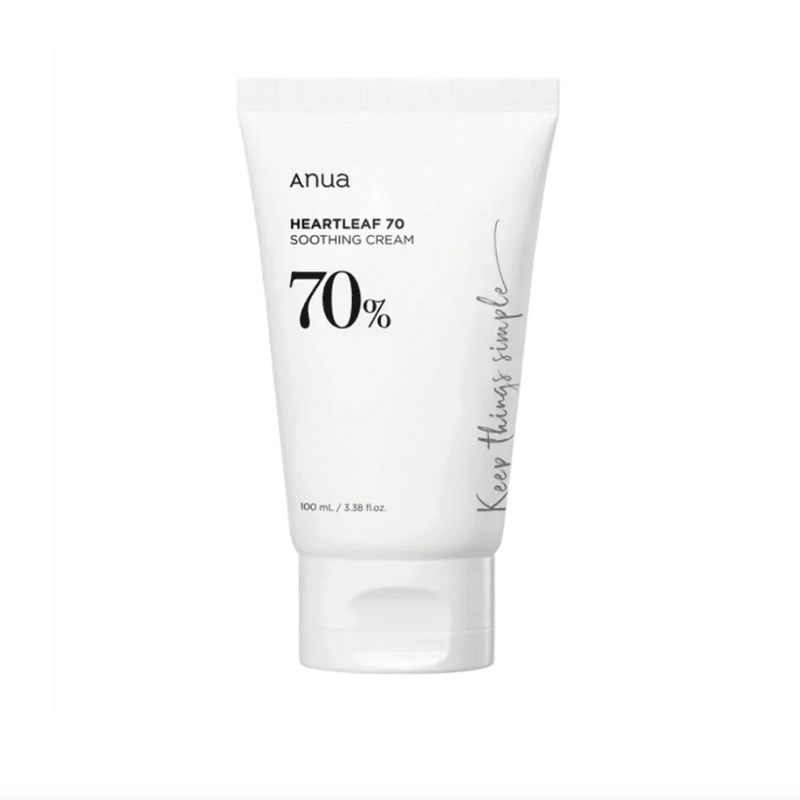
The Anua Heartleaf formula takes a different approach. Rather than leading with Centella Asiatica, it centres Heartleaf Extract, derived from Houttuynia Cordata, which has notable anti-inflammatory and antimicrobial properties. At 70% concentration, this is the functional core of the formula, not a token addition.
Alongside Heartleaf, the cream includes a quadruple-layered Centella Asiatica complex, processed to penetrate at multiple skin depths rather than sitting on the surface. This matters for sunburn, where inflammation occurs at varying depths, and where redness on the face (5) can persist at a deeper level even when the surface appears to be calming down.
The gel-cream texture absorbs quickly and leaves a moisturising finish without heaviness, making it practical for daily use during the recovery period.
Pros:
- 70% Heartleaf Extract delivers potent, fast-acting anti-inflammatory relief
- Quadruple-layered Centella works at multiple depths for thorough calming
- Hypoallergenic formula safe for highly sensitive, reactive skin
- Quickly absorbed with a comfortable, non-heavy finish
Cons:
- Heartleaf extract has a distinctive scent some users find unfamiliar
- The 100ml size runs out quickly when applied generously post-sunburn
Does Skin Barrier Damage Make Redness on the Face Worse?
Yes, and this is one of the least discussed aspects of sunburn recovery. When the skin barrier is damaged, the skin becomes hypersensitive to everything: water, wind, skincare products, and even fabric. This heightened reactivity means that redness on the face (6) can persist long after the initial burn has faded, because the barrier is no longer able to regulate the skin’s inflammatory response effectively.
Restoring the skin barrier is not a separate step from reducing post-sunburn flushing, it is the same step. Products that repair the barrier also reduce the chronic low-level inflammation that keeps skin looking red and feeling reactive for days. If standard soothing products have not delivered the results you expected, a depleted skin barrier is likely the reason.
4. Estelin Ceramide + Centella Repair Cream
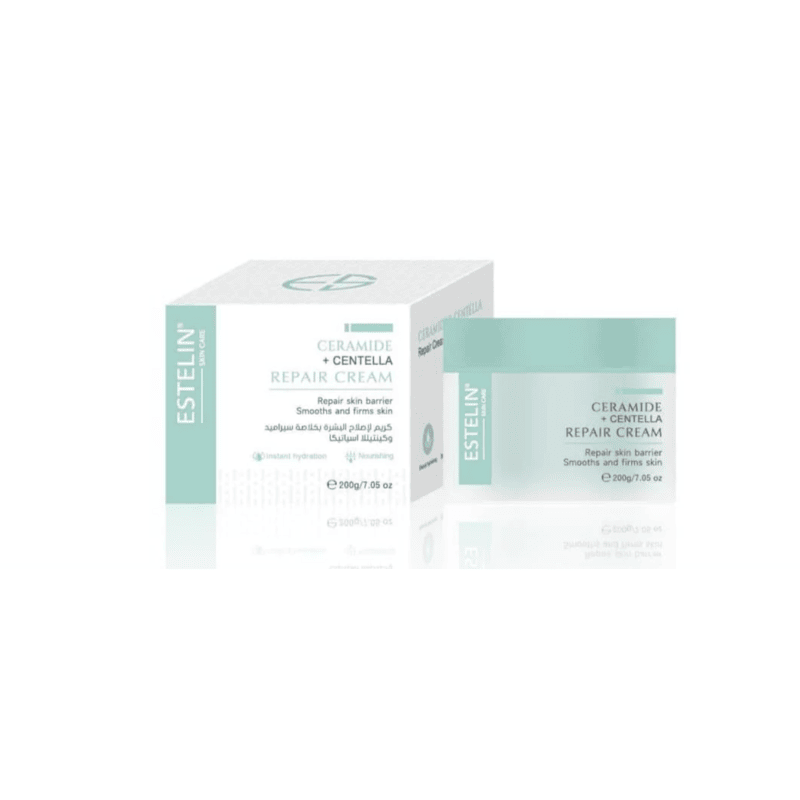
The Estelin Ceramide + Centella Repair Cream addresses this directly. Ceramides, the lipid molecules that form the structural foundation of the skin barrier, are depleted by UV exposure. Replenishing them topically is one of the most evidence-backed approaches to resolving redness on the face (7) following sun damage.
This formula pairs ceramides with Centella Asiatica, creating a product that simultaneously rebuilds barrier structure and reduces inflammation. It is particularly suited to dry or compromised skin, where the barrier was already weakened before sun exposure occurred. The result is not just short-term calming but a genuine restoration of the skin’s capacity to manage irritation independently.
Pros:
- Ceramides directly rebuild the skin barrier depleted by UV exposure
- Centella Asiatica provides concurrent anti-inflammatory action
- Long-lasting hydration supports the extended post-sunburn recovery period
- Suitable for dry, sensitive, or already-compromised skin
Cons:
- Richer texture may not suit oily or combination skin types in hot weather
- Best used as part of a consistent routine rather than a one-time application
5. Skin1004 Madagascar Centella Soothing Cream
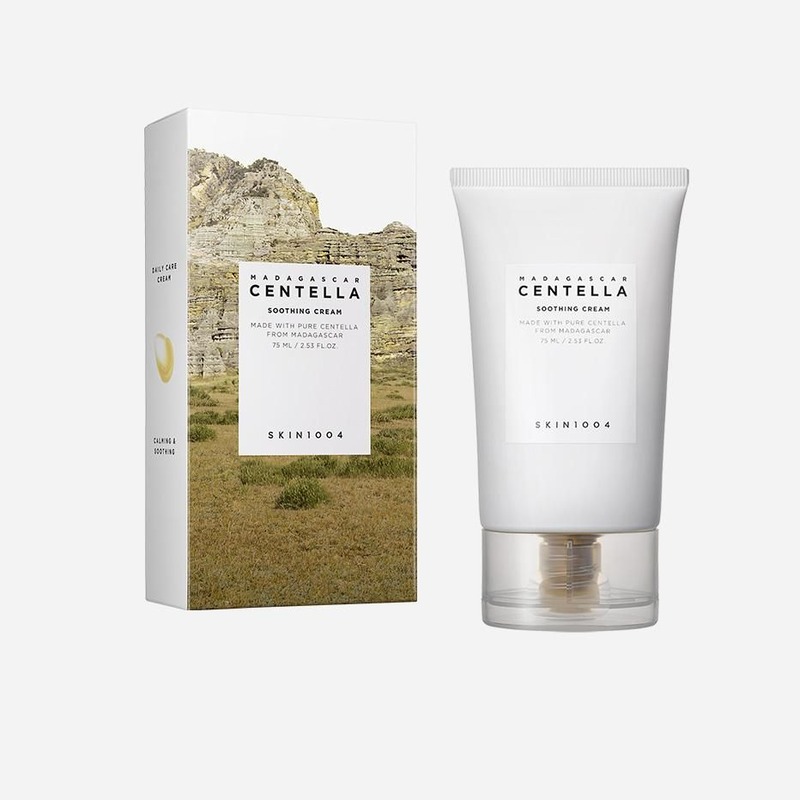
Skin1004 has built its reputation specifically around Centella Asiatica sourced from Madagascar, a region where the plant grows in conditions that produce a particularly high concentration of active compounds. For anyone dealing with persistent redness on the face (8) after prolonged sun exposure, this product addresses the full cluster of post-sunburn consequences: visible flushing, skin hypersensitivity, enlarged or inflamed pores, and the breakout risk that often follows heat and barrier disruption.
This product is worth particular attention for skin that tends to break out after sunburn. Sun damage disrupts the skin’s microbiome and creates conditions where acne-causing bacteria proliferate, compounding inflammation with a secondary breakout response. High-quality Centella Asiatica addresses both simultaneously.
Pros:
- Madagascar-sourced Centella provides a high concentration of active calming compounds
- Targets post-sunburn flushing, enlarged pores, and breakouts together
- Well-suited to acne-prone and hypersensitive skin types
- Consistent brand reputation built specifically around Centella efficacy
Cons:
- Smaller 75ml size requires frequent repurchase for regular users
- Those unfamiliar with Korean skincare formulations may need time to adjust to the texture
6. Dr. Althea 345 Relief Cream
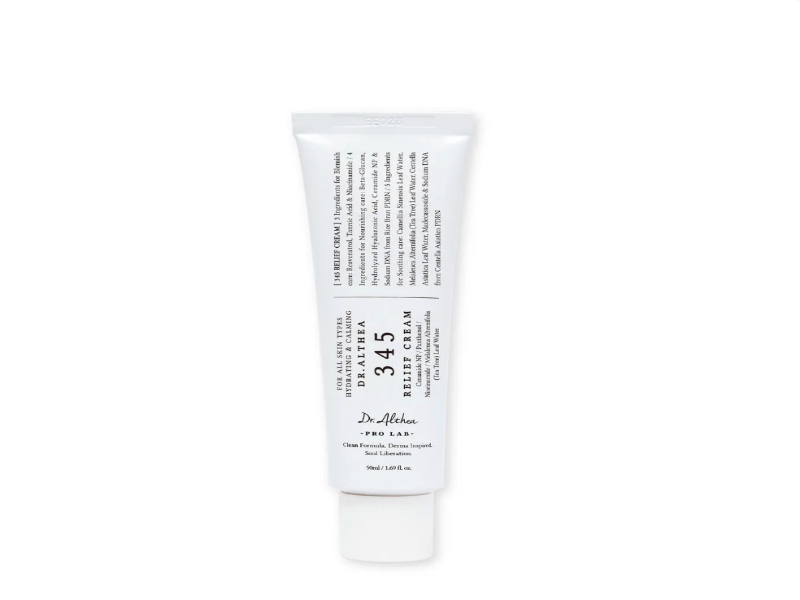
Dr. Althea’s 345 Relief Cream takes a multi-layered approach that sets it apart from standard soothing creams. The ointment-gel-cream structure addresses different skin needs simultaneously: surface soothing, mid-layer nourishment, and deep barrier support. This makes it particularly effective across the full arc of sunburn recovery, not just in the immediate aftermath.
The formula is also notable for its effectiveness on post-acne blemishes, relevant because sunburn frequently triggers flare-ups that leave their own residual redness on the face (9) and discolouration. A product that addresses both sunburn and secondary breakout consequences is a genuine efficiency in any recovery routine.
Pros:
- Multi-layered structure provides soothing, nourishment, and barrier repair together
- Lightweight despite its multi-layered formulation — no heavy or greasy feel
- Effective on post-acne marks as well as sunburn-related inflammation
- Continuous hydration supports extended recovery without frequent reapplication
Cons:
- The ointment element may be too occlusive for oily skin types
- Less widely available than some mainstream alternatives
A Step-by-Step Routine to Treat Post-Sunburn Redness on the Face
Knowing which product to use is only part of the answer. Sequence and timing matter as much as the product itself.
Immediately after noticing sunburn, bring skin temperature down first. A cool, not cold compress applied for ten to fifteen minutes reduces initial heat and slows the early inflammatory cascade. Do not apply cream to skin that is still hot, as heat increases absorption and can drive irritants deeper into a compromised barrier.
Once the skin is cooled, apply your soothing cream generously and reapply every four to six hours for the first 48 hours. Sunburned skin loses moisture rapidly, and consistent replenishment is essential to preventing the tight, peeling outcome that characterises poorly managed sunburn.
Avoid exfoliants, retinoids, Vitamin C serums, and fragranced products during the recovery period. Once the acute phase has passed, typically after 48 to 72 hours, introduce a mineral SPF. Recovering skin is more UV-vulnerable than healthy skin, and sun protection at this stage is not optional. At Skin By Zaron, the guidance for every post-sunburn routine begins here: cool, calm, protect, in that order.
What Post-Sunburn Redness Is Really Telling You
Sunburn redness is not simply an inconvenience to wait out. It is the skin communicating that its barrier has been breached and its repair processes have been activated. The products on this list, from the ceramide-led repair of Estelin to the Heartleaf-forward calming of Anua, each respond to a specific aspect of that message.
Resolving redness on the face (12) from sunburn means accepting that recovery is not passive. The right products applied consistently, combined with sun protection going forward, are what separate skin that recovers fully from skin that carries the damage forward. Choose the formula that matches your skin’s most urgent need, apply it with intention, and give the process the time it genuinely requires.
Frequently Asked Questions About Sunburn and Redness on the Face
How long does post-sunburn facial redness typically last?
Mild cases usually fade within three to five days. Moderate sunburn can take seven to ten days to fully resolve. Using a targeted soothing cream with Centella Asiatica or ceramides from day one significantly reduces this timeline by calming inflammation before it becomes entrenched in the skin.
Can I wear makeup to cover my sunburned skin?
It is strongly advisable to avoid makeup on actively sunburned skin. Foundation and concealer trap heat and bacteria against compromised skin and can worsen inflammation or trigger breakouts. If coverage is necessary, a lightweight mineral product with SPF applied over a soothing cream is the least disruptive option. Allow at least 48 to 72 hours of recovery before returning to full makeup use.
Does drinking water help with sunburn recovery?
Hydration supports overall recovery, but water intake does not directly reduce the vascular flushing caused by sunburn. The redness comes from dilated blood vessels responding to inflammation, a process that topical anti-inflammatory creams address more directly. Treat internal hydration and topical treatment as complementary, not interchangeable.
Why does my face stay flushed even after the pain has gone?
Pain fades before the inflammatory process is complete. The blood vessels that dilated in response to UV damage do not constrict immediately once discomfort resolves. Redness on the face (10) can persist for several days after tenderness has gone, particularly if the skin barrier remains compromised. Continuing to apply soothing, barrier-repairing creams during this phase, even without pain, is essential to full colour recovery.
Should I use a cold or warm compress on sunburned skin?
Always cool, never cold. Ice or very cold water can cause thermal shock to already-stressed skin and may worsen capillary damage. A compress dampened with cool water, or chilled aloe vera gel applied directly, is the appropriate first response.
Can repeated sunburn cause permanent facial redness?
Repeated sunburn without proper recovery care can cause lasting damage to the capillaries beneath the facial skin, contributing to conditions such as rosacea and chronic diffuse flushing. A single well-managed sunburn is unlikely to cause permanent changes. However, frequent unprotected sun exposure that repeatedly triggers the inflammatory cycle carries a genuine risk of long-term vascular change. This is why daily SPF is the most important preventative habit, far more effective than any cream used after redness on the face (11) has already developed.