
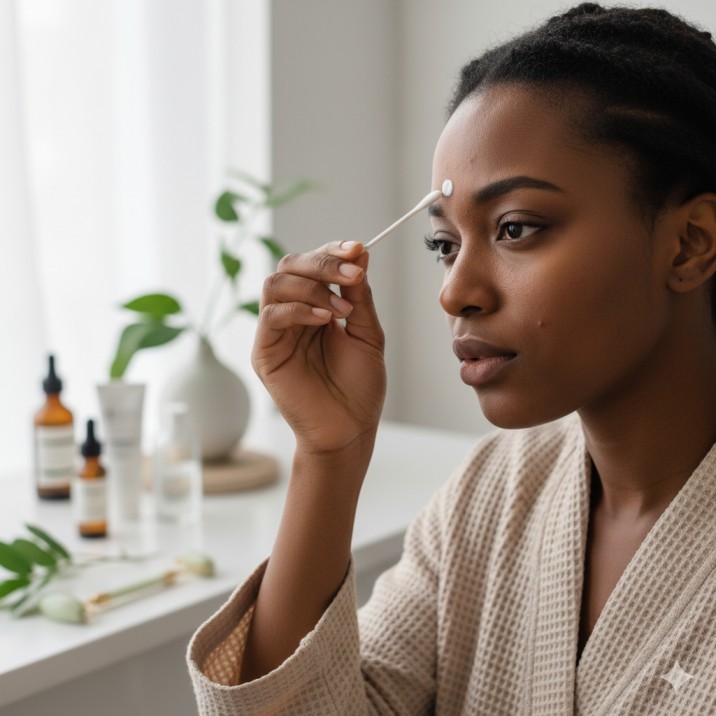
Trying to get rid of pimples often feels frustrating because advice online is loud, conflicting, and often extreme. Some routines promise overnight results. Others rely on harsh products that leave skin irritated and confused. Neither approach works for long.
Pimples form when pores become clogged with oil, dead skin cells, and bacteria. This process is influenced by hormones, skincare habits, stress, and even climate. Learning how to get rid of pimples the right way means understanding that acne is not just a surface issue. It reflects how well the skin barrier is functioning and how gently inflammation is managed over time.
Clear skin does not come from attacking pimples aggressively. It comes from consistency, balance, and using products that work with the skin rather than against it.
Why Pimples Keep Coming Back
Many people struggle to get rid of pimples because they focus only on what is visible. Pimples are often treated as isolated problems instead of symptoms of a disrupted skin environment.
Common reasons pimples persist include:
- Over-cleansing or scrubbing the skin
- Using strong treatments without barrier support
- Switching products too frequently
- Ignoring post-pimple care, which leads to new breakouts
When the skin barrier is weakened, it produces more oil and becomes inflamed. This creates the perfect environment for recurring breakouts. To get rid of pimples effectively, treatment must be paired with hydration and barrier repair.
What Causes Pimples on the Face
Pimples on the face develop when pores become blocked with oil, dead skin cells, and bacteria. This blockage creates an environment where inflammation builds, leading to visible breakouts. While this process sounds simple, several factors influence how often it happens and how severe it becomes.
Oil production plays a central role. When the skin produces more oil than it can naturally shed, pores clog more easily. Hormonal fluctuations, stress, and certain skincare habits can increase oil output, making it harder to get rid of pimples consistently.
Another factor is inflammation. Skin that is irritated by harsh products, frequent scrubbing, or overuse of treatments tends to react more aggressively to congestion. This is why pimples often worsen when the skin barrier is compromised rather than supported.
Environmental exposure also contributes. Pollution, sweat, and daily contact with hands or phones can introduce bacteria to the skin. Over time, this combination makes facial pimples more persistent and harder to manage without a balanced routine.
The Right Way to Get Rid of Pimples
The most reliable way to get rid of pimples follows a clear structure. Cleanse to remove excess oil and bacteria. Treat active breakouts carefully. Address clogged pores and inflammation over time. Support the skin barrier so healing can happen.
This method avoids shock treatment. Instead, it allows the skin to calm down, rebalance, and gradually clear.
Step 1: Start With a Treatment Cleanser
Cleansing is where many routines fail. Using a harsh cleanser may feel effective at first, but it often leads to dryness, irritation, and more pimples later.
CeraVe Acne Foaming Cream Cleanser
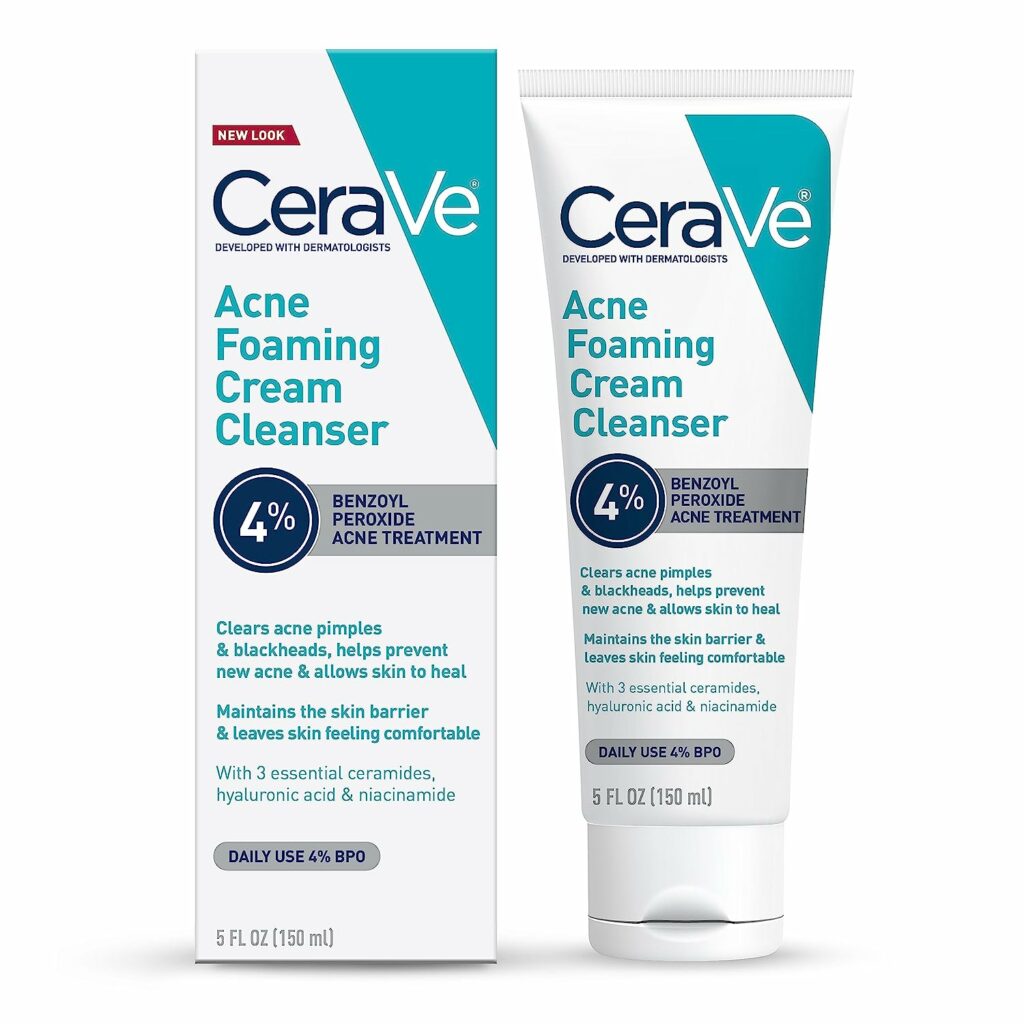
This cleanser is designed to help get rid of pimples by treating acne at the cleansing stage without stripping the skin.
Formulated with 4% benzoyl peroxide, it targets acne-causing bacteria while still respecting the skin barrier. Hyaluronic acid helps retain moisture, while niacinamide soothes irritation. The inclusion of three essential ceramides helps maintain long-term skin comfort.
Unlike many acne cleansers, this one focuses on balance. It cleans deeply but does not leave the skin tight or flaky, which is crucial when trying to get rid of pimples sustainably.
Pros
- Clears acne while cleansing
- Helps prevent new breakouts
- Supports the skin barrier
- Does not leave skin overly dry
Cons
- May feel strong for very sensitive skin
- Requires consistent use for visible results
Step 2: Treat Active Pimples Without Overdoing It
Spot treatments work best when they are targeted and controlled. Applying strong treatments all over the face often worsens irritation and spreads inflammation.
Neutrogena On The Spot Acne Treatment
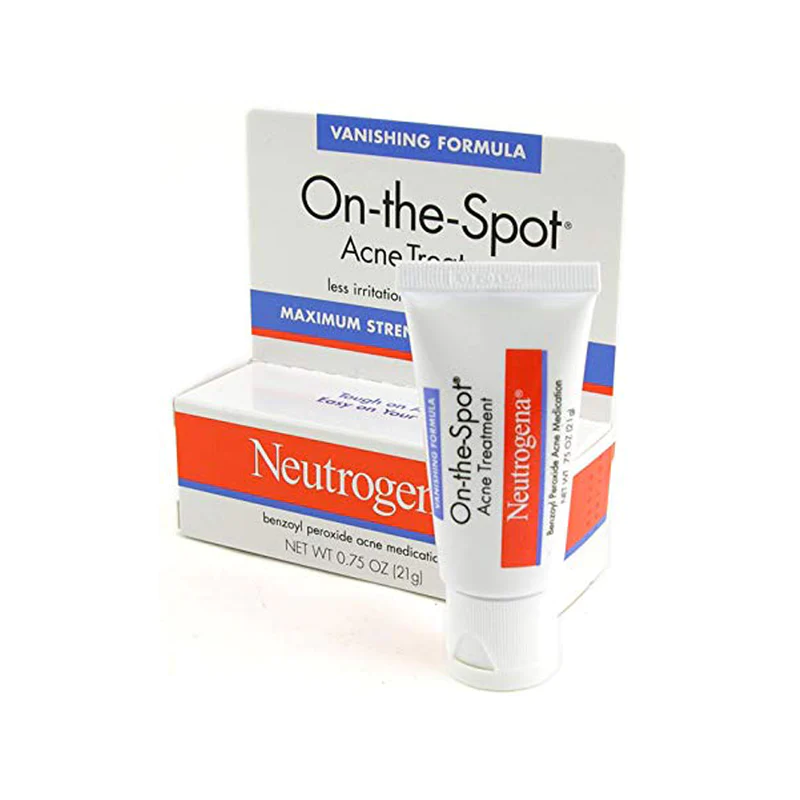
This spot treatment is designed to get rid of pimples quickly without overwhelming the skin. It uses 2.5% benzoyl peroxide, which is effective at killing acne-causing bacteria while reducing the risk of excessive dryness.
Its lightweight texture absorbs fast and works beneath the surface of the skin. This allows pimples to calm down rather than become inflamed or painful.
Used correctly, spot treatments like this help shorten the lifespan of breakouts without disrupting surrounding skin.
Pros
- Targets pimples quickly
- Lower irritation risk than higher strengths
- Absorbs easily into skin
- Helps prevent future breakouts
Cons
- Not meant for full-face use
- Can cause mild dryness if overused
Step 3: Treat Pimples Over Time, Not Overnight
Long-term acne control is essential if you want to get rid of pimples for good. This stage focuses on clogged pores, inflammation, and uneven skin tone.
NineLess A-Control 10% Azelaic Acid Serum
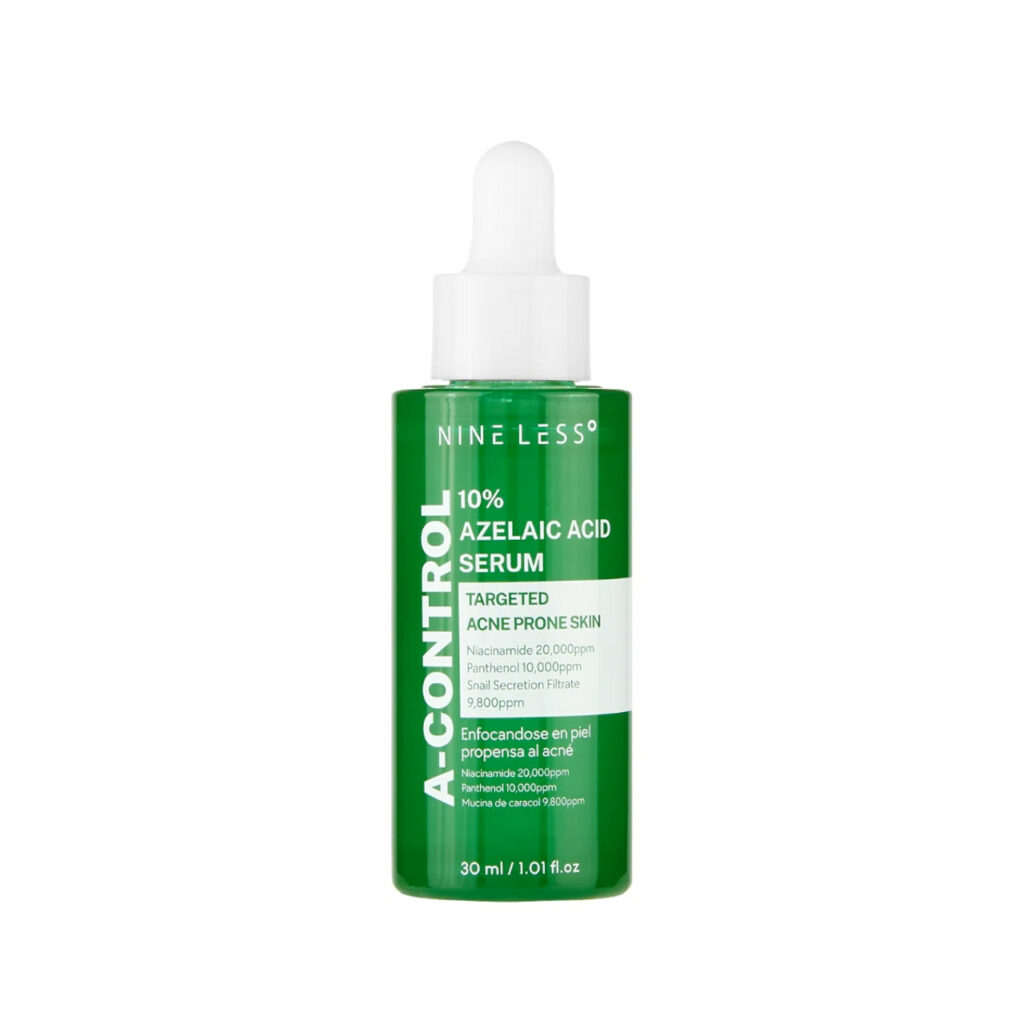
Azelaic acid is well known for its ability to calm inflammation and improve acne without disrupting the skin barrier. This serum helps reduce redness, unclog pores, and even out skin tone over time.
It works quietly and steadily, making it suitable for sensitive and acne-prone skin. Instead of forcing rapid changes, it supports gradual improvement, which is key when learning how to get rid of pimples properly.
Pros
- Reduces redness and inflammation
- Improves uneven skin tone
- Suitable for sensitive skin
- Supports long-term clarity
Cons
- Results develop gradually
- Mild tingling may occur initially
NineLess Molecule-Clear Salicylic Acid Serum
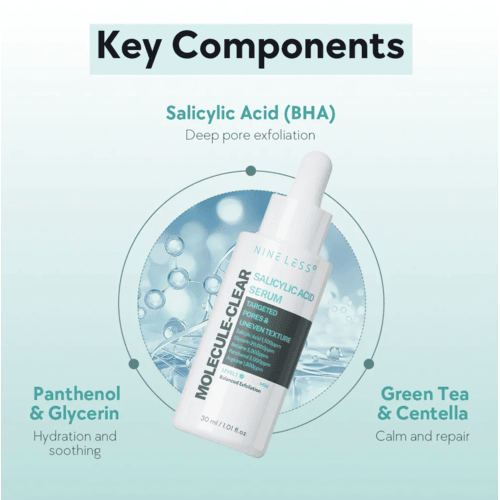
Salicylic acid is effective because it penetrates oil and clears clogged pores from within. This serum exfoliates gently, helping to prevent pimples before they form.
Used consistently, it smooths texture and reduces blackheads without the harshness of physical scrubs. This makes it a valuable part of a routine designed to get rid of pimples without damaging the skin.
Pros
- Unclogs pores effectively
- Smooths skin texture
- Gentle daily exfoliation
- Helps prevent future breakouts
Cons
- Not ideal for very dry skin
- Overuse may cause mild dryness
Step 4: Support the Skin Barrier
Many people fail to get rid of pimples because they focus only on treatment and ignore recovery. A strong barrier helps the skin heal faster and reduces recurring breakouts.
Anua Niacinamide 10% + TXA 4% Serum
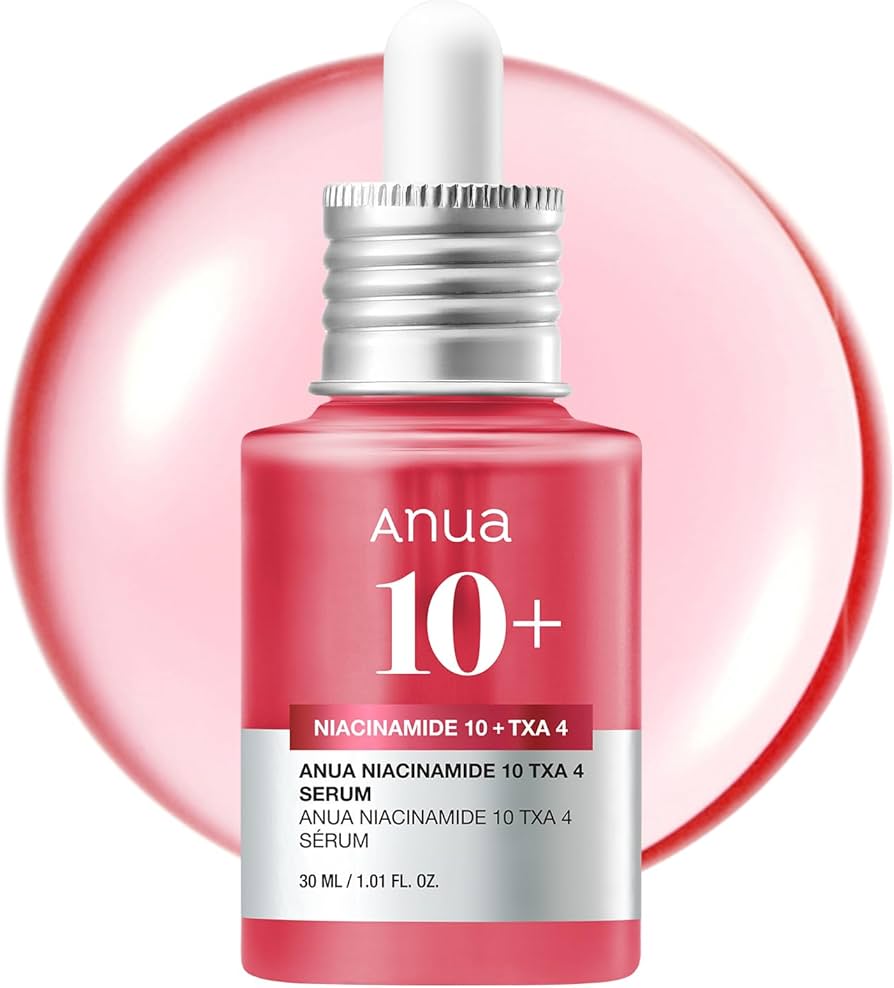
This serum supports clarity by strengthening the skin barrier while improving uneven tone and post-pimple marks. Niacinamide helps regulate oil production and reduce inflammation. Tranexamic acid supports brightness and clarity.
Barrier-support products like this help the skin tolerate acne treatments better, making the entire routine more effective.
Pros
- Strengthens the skin barrier
- Helps fade post-pimple marks
- Balances oil production
- Improves overall skin clarity
Cons
- High concentration may tingle initially
- Requires consistent use for visible tone improvement
How to Structure a Routine to Get Rid of Pimples
A routine works when it fits the skin’s behaviour rather than forcing quick change. To get rid of pimples, the skin needs steady care that reduces congestion and inflammation while allowing recovery.
In the morning, cleansing should remove excess oil without leaving the skin dry. A treatment cleanser helps limit acne-causing bacteria early in the day. Follow with a lightweight serum that supports oil balance and skin clarity. This keeps the skin comfortable and reduces the chance of midday shine or congestion.
Evening routines allow more flexibility. Cleansing removes buildup from the day and prepares the skin for treatment. Spot treatments work best when used only where active pimples are present. Applying them sparingly limits irritation and helps pimples settle faster.
Longer-term treatment products should be used consistently but not layered aggressively. Alternating active serums gives the skin time to respond. Supporting the barrier at the end of the routine reduces sensitivity and improves tolerance, which makes it easier to get rid of pimples without cycles of flare-ups.
Why Progress Feels Slow but Matters
Many people assume that if pimples do not disappear quickly, treatment is failing. In reality, improvement often looks subtle before it becomes visible. Reduced redness, less tenderness, and fewer new breakouts usually appear before clear skin does.
To get rid of pimples properly, inflammation must settle beneath the surface. This takes time. Products that work slowly tend to produce steadier results because they avoid triggering irritation.
Skin that improves gradually is more likely to stay clear. Rushing treatment often leads to repeated breakouts that feel unpredictable and discouraging.
Habits That Undermine Efforts to Get Rid of Pimples
Certain habits make acne harder to manage, even with the right products.
Over-cleansing strips the skin and encourages excess oil production. This often leads to more congestion rather than less.
Using multiple strong treatments at once can inflame the skin. When inflammation increases, pimples tend to linger and spread.
Skipping moisturiser is another common issue. Hydration supports the skin barrier, which helps regulate oil and reduces sensitivity. Without it, the skin struggles to heal.
Touching or picking pimples increases inflammation and raises the risk of lingering marks. Leaving the skin undisturbed supports faster recovery and makes it easier to get rid of pimples without long-term damage.
Get Rid of Pimples Long Term
Pimples improve when the skin is treated with patience rather than force. Learning how to get rid of pimples involves reducing irritation, keeping pores clear, and supporting recovery simultaneously
The most reliable routines feel calm and sustainable. They focus on steady improvement rather than dramatic shifts. Over time, this approach leads to fewer breakouts, quicker healing, and skin that behaves more predictably.
Clearer skin does not require extremes. It requires understanding how the skin responds and giving it what it needs to recover.
Questions People Often Ask About How to Get Rid of Pimples
Why do pimples clear and then return?
Recurring pimples usually reflect ongoing congestion or barrier disruption. Addressing both makes it easier to get rid of pimples consistently.
Is dryness a sign that treatment is working?
Dryness often signals irritation rather than progress. Effective treatment should reduce pimples without leaving the skin uncomfortable.
Can acne improve without harsh products?
Yes. Many people find that gentler routines help get rid of pimples more reliably because they reduce inflammation.
Why do some pimples take longer to heal?
Deeper inflammation takes longer to resolve. Supporting the skin barrier helps speed recovery.
Does changing products frequently help?
Frequent changes often delay improvement. Consistency allows the skin to stabilise