
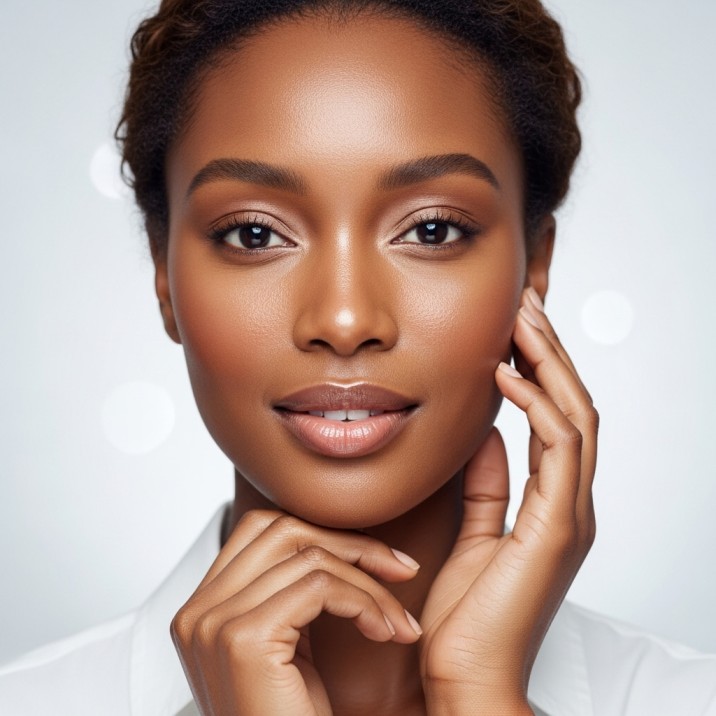
Hyperpigmentation is a term you hear often in skincare, but what is hyperpigmentation exactly? It is a common skin condition that affects millions of people worldwide. It shows up as dark patches, uneven skin tone, or spots that appear darker than the surrounding skin.
For some, it may only be mild and easy to conceal. For others, it can be more widespread, appearing on the face or on the body, and causing concern about appearance. Whether you’re dealing with dark spots and scars from acne or age spots caused by years of sun exposure, hyperpigmentation is something almost everyone experiences at some point.
The good news is that it can be treated, managed, and even prevented with the right knowledge. This article explains what is hyperpigmentation, explores its causes, and highlights treatments that can help improve the look of your skin.
What is Hyperpigmentation?
So, what is hyperpigmentation? In simple terms, hyperpigmentation is a change in skin pigmentation where parts of the skin appear darker than the surrounding skin. This happens because of an increase in melanin, the pigment that gives your skin, hair, and eyes their color.
Hyperpigmentation is a natural response. The body produces extra melanin to protect the skin from damage, often due to the sun, inflammation, or hormonal changes. While it is harmless in most cases, it can affect confidence and make people seek solutions.
Is hyperpigmentation permanent? The answer depends on the type. Some forms fade with time and treatment, while others require long-term management. But in all cases, there are ways to reduce its appearance and improve the look of your skin.
Causes of Hyperpigmentation
There are many causes of hyperpigmentation, and they usually link back to how the skin responds to different triggers.
One of the most common causes is sun exposure. The sun stimulates the production of melanin as a defense mechanism. Over time, this leads to freckles, age spots, and uneven tone.
Another major cause is post inflammatory hyperpigmentation, which happens after acne, burns, or cuts heal. The skin reacts by producing more pigment in the area of injury.
Hormonal changes are another cause. Melasma, also known as the mask of pregnancy, often appears on the face due to shifts in estrogen and progesterone.
Hyperpigmentation can also be caused by certain medications, health conditions, or even skin irritation from cosmetic procedures.
In short, hyperpigmentation is the result of an increase in melanin triggered by different factors such as the sun, acne, or hormonal shifts.
Types of Hyperpigmentation
There are several types of hyperpigmentation, and knowing them helps in choosing the right treatment.
- Post Inflammatory Hyperpigmentation (PIH): This is one of the most common forms, especially in people with darker skin. It happens after inflammation such as acne, eczema, or injury. PIH shows up as flat spots that are darker than the surrounding skin.
- Age Spots: Also called sun spots or liver spots, these are caused by long-term sun exposure. They often appear on the face, hands, and other areas exposed to the sun.
- Melasma: Also known as the mask of pregnancy, melasma shows up as symmetrical dark patches on the face. Hormonal changes and sun exposure are the main triggers.
- Other Types of Hyperpigmentation: Certain medical conditions, medications, or skin care procedures can also lead to hyperpigmentation.
These types of hyperpigmentation may look different, but they all result from excess melanin production.
Hyperpigmentation and the Skin
Hyperpigmentation and its impact go beyond appearance. Dark patches on the skin often cause frustration, especially when they appear on the face where they are most visible.
For many, hyperpigmentation is more noticeable in people with darker skin. This is because higher baseline melanin levels make dark spots and scars stand out more. That doesn’t mean lighter skin tones don’t struggle with it. It simply means the patterns can vary.
Over time, hyperpigmentation can make your skin look uneven and textured. This can lower self-confidence, especially when the spots or scars are stubborn.
But the positive side is that hyperpigmentation can be treated and improved. Dermatologists emphasize that consistent care, targeted treatments, and sun protection make a visible difference.
How to Treat Hyperpigmentation
Many ask: how to treat hyperpigmentation effectively? The answer depends on the cause, severity, and location on the skin.
Dermatologists often combine professional treatments with at-home routines. The goal is simple: slow down melanin production, fade existing dark spots, and prevent new ones from forming.
Some options to treat hyperpigmentation include:
- Topical treatments: Creams and serums with vitamin C, kojic acid, niacinamide, and retinoids are widely used to fade dark spots and scars.
- Exfoliation: Chemical exfoliants like AHAs and BHAs help remove dead skin cells and encourage fresh skin turnover.
- Professional procedures: Chemical peels, laser therapy, and microdermabrasion are often used to treat stubborn cases.
- Prescription treatments: Stronger creams or medications may be prescribed if over-the-counter products don’t work.
What’s important is patience. Hyperpigmentation develops over time, and it takes time to reduce it as well.
Ingredients That Can Help Fade Hyperpigmentation
When looking at treatments, some ingredients stand out because of their proven ability to reduce dark spots.
- Vitamin C: Known for its antioxidant properties, vitamin C brightens the skin and slows down the production of melanin. It also protects your skin from damage caused by the sun and pollution.
- Kojic Acid: This ingredient is used to block the formation of melanin, making it effective for hyperpigmentation. Often paired with other brightening agents, it helps fade age spots and dark patches.
- Niacinamide: Also known as vitamin B3, niacinamide helps even out skin pigmentation and strengthens the barrier of the skin.
- Retinoids: These vitamin A derivatives encourage the turnover of skin cells. Faster renewal helps fade spots and scars left behind by acne or sun exposure.
- Chemical exfoliants: Ingredients such as glycolic acid or salicylic acid help remove dead skin cells and reveal fresher skin beneath.
Together, these ingredients can help improve tone and texture while reducing the appearance of hyperpigmentation.
Lifestyle Factors That Influence Hyperpigmentation
Hyperpigmentation isn’t just about products. Daily habits have a big impact on the skin and can either improve or worsen the condition.
Sun exposure is the biggest trigger. Spending time in the sun without protection worsens existing spots and causes new ones to form. Sunscreen isn’t optional. It is the foundation to prevent hyperpigmentation.
Diet also plays a role. Foods high in antioxidants support your skin and may reduce inflammation that contributes to hyperpigmentation. Drinking water helps maintain hydrated, healthier-looking skin.
Stress and sleep are often overlooked. Stress hormones can trigger breakouts, leading to post inflammatory hyperpigmentation. Poor sleep slows repair processes in the skin, making spots take longer to fade.
Simple lifestyle shifts, combined with treatment, can help your skin recover faster.
Hyperpigmentation and Sun Exposure
The link between hyperpigmentation and sun exposure cannot be overstated. UV rays stimulate the production of melanin, leading to dark spots and discoloration. Even short periods in the sun without protection accumulate over time.
The sun doesn’t just cause age spots. It also worsens melasma, freckles, and post inflammatory hyperpigmentation. For this reason, dermatologists always stress sunscreen as part of the treatment plan.
Broad-spectrum sunscreens, hats, and shade are all tools to prevent hyperpigmentation. Consistent sun protection is as important as the products you apply on your skin.
If you’re wondering what is hyperpigmentation and why it worsens, the sun is almost always part of the answer.
Post Inflammatory Hyperpigmentation
Post inflammatory hyperpigmentation (PIH) is one of the most common forms of hyperpigmentation. It happens when the skin overproduces melanin after injury or inflammation.
Acne, eczema, bug bites, and cuts are all triggers. Once the inflammation heals, a flat, dark mark remains.
This form is especially common in people with darker skin because their melanocytes (pigment-producing cells) are more active.
While PIH often fades over time, treatments like vitamin C, kojic acid, retinoids, and exfoliants speed up the process. Sunscreen is crucial because sun exposure makes PIH worse.
Learning how to treat hyperpigmentation like PIH is about calming inflammation quickly, preventing future breakouts, and fading existing marks.
Age Spots and Their Connection to Hyperpigmentation
Age spots, also known as liver spots, are flat, brown marks that appear on the face, hands, and body. They are directly linked to years of sun exposure.
They are one of the most visible signs of photoaging and are a classic example of hyperpigmentation. Although harmless, they are often treated for cosmetic reasons.
Topical treatments such as vitamin C or kojic acid can fade them. Professional treatments like laser therapy are also effective.
Preventing new age spots comes down to consistent sun protection and avoiding unnecessary exposure to the sun.
The Role of Melanin in Hyperpigmentation
At the root of hyperpigmentation is melanin. This pigment is produced by cells called melanocytes. Its role is to protect the skin from UV damage.
When triggered by factors such as sun exposure, inflammation, or hormones, melanocytes increase melanin production. The result is dark spots, melasma, or post inflammatory hyperpigmentation.
Melanin production is normal and even protective. But an increase in melanin in certain areas causes uneven tone.
This is why treatments often focus on slowing down the production of melanin or speeding up the shedding of skin cells.
People with Darker Skin and Hyperpigmentation
Hyperpigmentation is common across all skin tones, but it can look different in people with darker skin.
Because of higher baseline melanin, dark spots and scars tend to appear more noticeable. Post inflammatory hyperpigmentation is also more frequent, especially after acne or irritation.
The good news is that the treatment principles remain the same: sun protection, brightening agents, and patience. However, some professional procedures need to be tailored carefully to avoid worsening pigmentation in the skin.
This is why a dermatologist is the best guide when treating hyperpigmentation in people with darker skin.
How to Prevent Hyperpigmentation
Prevention is often more effective than correction. The steps to prevent hyperpigmentation are simple but require consistency.
- Daily sunscreen use, even indoors or on cloudy days.
- Avoiding peak sun exposure hours when UV rays are strongest.
- Treating acne and inflammation quickly to the skin to prevent marks.
- Choosing gentle skincare that doesn’t irritate. Harsh scrubbing can cause post inflammatory hyperpigmentation.
- Maintaining a balanced diet and hydration levels.
By combining prevention with treatment, you protect your skin both now and in the future.
Professional Treatments for Hyperpigmentation
When skincare alone isn’t enough, professional treatments step in to deliver faster, stronger results. Dermatologists have access to procedures such as:
- Chemical peels: These remove the outer layer of the skin, helping fade dark spots and age spots.
- Laser therapy: Targets pigmentation directly, breaking down deposits of melanin.
- Microneedling: Stimulates renewal of skin cells and encourages better absorption of brightening serums.
- Prescription creams: Often contain higher strengths of hydroquinone or retinoids, used to treat hyperpigmentation more aggressively.
Professional treatments can be highly effective but should always be tailored to your skin type and concern by a dermatologist. When you ask what is hyperpigmentation treatment, these options often come up as advanced solutions.
Myths and Misconceptions About Hyperpigmentation
There are many myths around the causes of hyperpigmentation and how to treat it. Some believe age spots mean poor hygiene. Others assume only light skin shows discoloration. Both are false.
Another common myth is that natural remedies alone, such as lemon juice, are enough. In reality, these can cause irritation and worsen the condition.
Sticking with dermatologist-approved skin care products and professional advice is the safest way to reduce pigmentation without damaging the skin. If you’ve ever wondered what is hyperpigmentation really caused by, the answer is melanin — not dirt or poor hygiene.
Products That Target Dark Spots and Hyperpigmentation
Because your skin deserves formulas designed to work, here are dermatologist-approved solutions that directly target dark spots and discoloration:
Cosrx The Alpha-Arbutin 2% Discoloration Care Serum
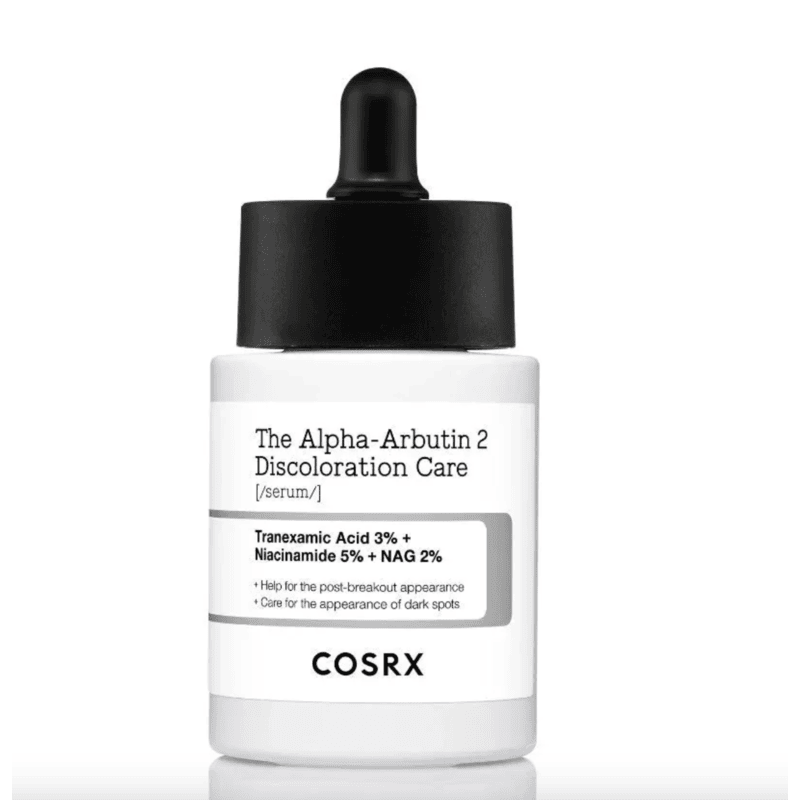
Targets uneven tone and fades acne marks with 2% Alpha-Arbutin. Gentle yet powerful, it addresses stubborn pigmentation and supports smoother, more radiant skin.
Pros:
- Contains Alpha-Arbutin, proven to reduce dark spots
- Lightweight and absorbs quickly
- Gentle enough for sensitive skin
- Works well layered under other skin care products
Cons:
- May take a few weeks before visible results
- Not hydrating enough for very dry skin
Uncover Licorice Root Dark Spot Serum
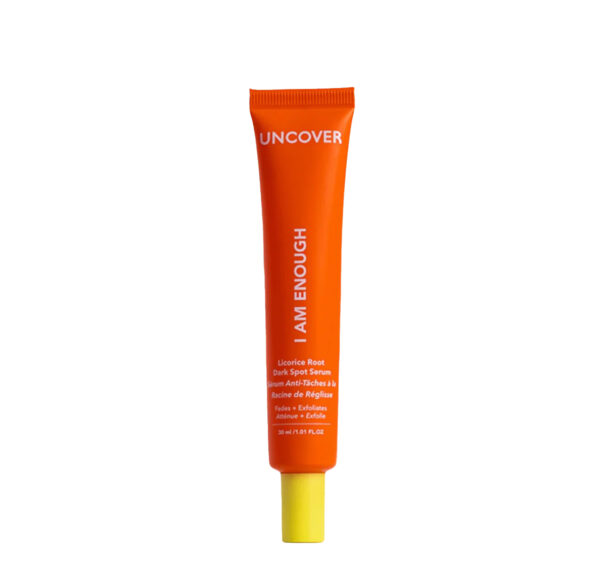
Infused with Licorice Root, Niacinamide, and Tranexamic Acid, this serum helps fade post inflammatory hyperpigmentation and boosts radiance for clearer skin.
Pros:
- Multi-active formula to brighten and soothe
- Works well for acne-related dark spots
- Lightweight and layers easily
- Suitable for daily use
Cons:
- Results vary depending on the skin type
- Slightly higher price point for 30ml
La Roche-Posay MelaB3 Serum Intense Anti-Dark Spot Serum
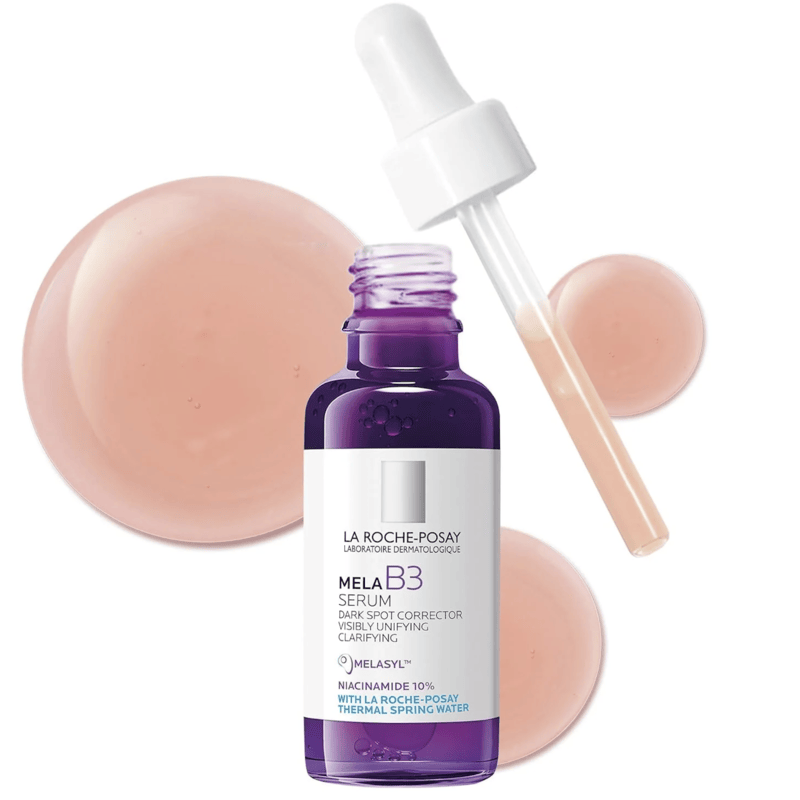
Powered by Niacinamide, Melasyl™, and Thermal Spring Water, this serum fades hyperpigmentation and dark spots in just two weeks.
Pros:
- Clinically proven results
- Dermatologist-formulated for sensitive skin
- Targets multiple types of hyperpigmentation
- Lightweight, fast-absorbing texture
Cons:
- Premium price point
- May cause mild tingling initially
NineLess B-Boost 1 Kojic Acid Toner
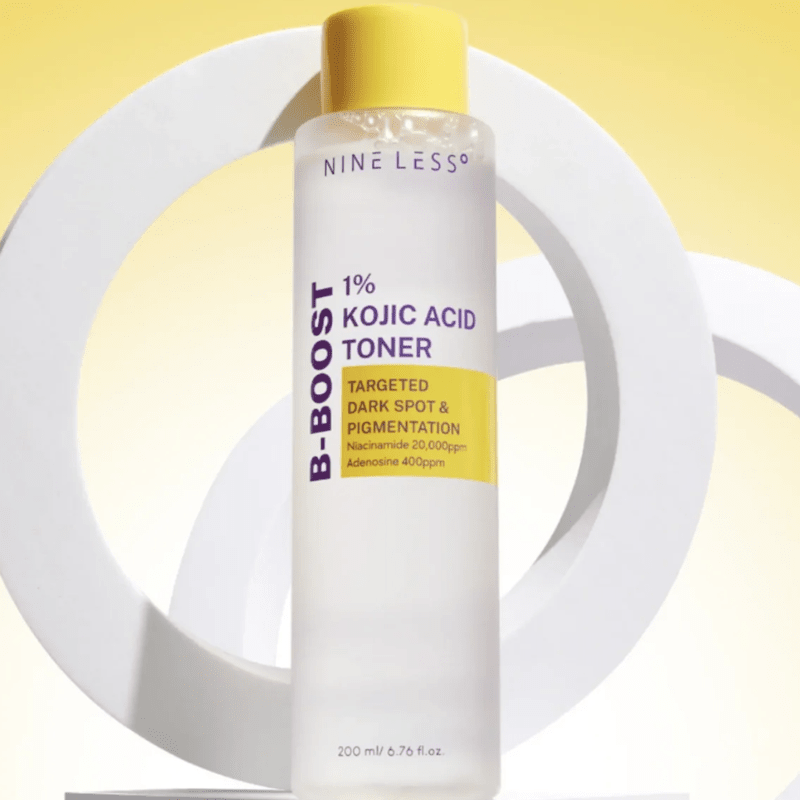
Formulated with Kojic Acid, Niacinamide, and Licorice Root Extract, this toner helps refine texture while addressing age spots and uneven tone.
Pros:
- Gentle exfoliating action
- Brightens dull skin over time
- Affordable price for 200ml
- Helps boost absorption of serums
Cons:
- Kojic Acid may be irritating for sensitive skin
- Needs consistent use for results
Nineless Tranexamic Acid Serum
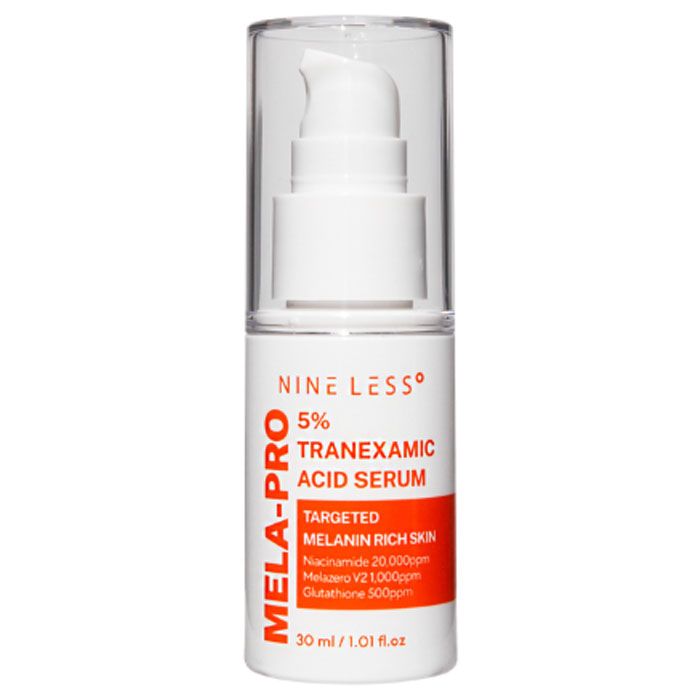
This serum targets pigmentation caused by acne, hormones, or sun exposure with Tranexamic Acid, Niacinamide, and Panthenol.
Pros:
- Specifically designed to treat hyperpigmentation
- Lightweight, serum texture
- Budget-friendly option
- Calms irritation while brightening
Cons:
- Works best with daily sunscreen
- May take longer to fade stubborn dark spots
La Roche-Posay Pure Vitamin C12 Serum
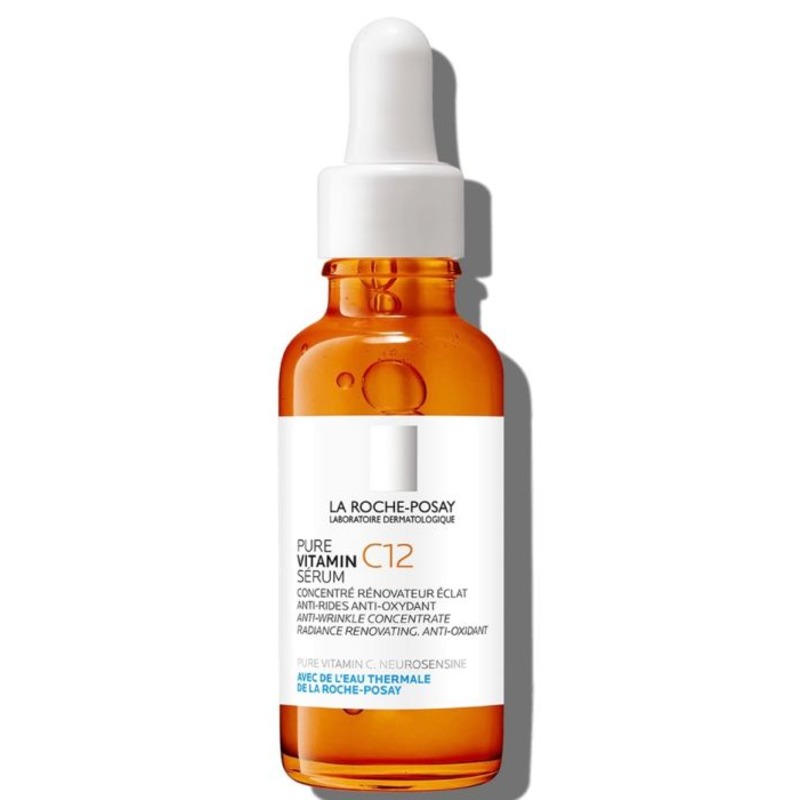
Designed for wrinkles, texture irregularities, and lack of radiance. With stabilized Vitamin C in protective packaging, this serum is suitable for all skin types.
Pros:
- Contains Vitamin C, a potent antioxidant for the skin
- Helps brighten tone and fade dark spots
- Stabilized formula with UV filter for effectiveness
- Safe for sensitive and combination skin
Cons:
- Higher price compared to other Vitamin C serums
- Can cause mild irritation in beginners
FAQs on Hyperpigmentation
1. What is hyperpigmentation?
Hyperpigmentation is a term that describes darker patches of the skin caused by an increase in melanin production. It is a common condition that appears on the face, hands, and other parts of the body.
2. What are the causes of hyperpigmentation?
The main triggers are sun exposure, hormonal changes, acne, and skin injuries. Even daily habits, such as not using sunscreen, contribute to the development of dark spots.
3. How to treat hyperpigmentation effectively?
You can combine topical treatments like vitamin C, kojic acid, and niacinamide with sunscreen. In severe cases, professional treatments such as lasers and chemical peels may be recommended by a dermatologist.
4. Can hyperpigmentation go away on its own?
Some forms, like post inflammatory hyperpigmentation, may fade with time. However, treatment speeds up the process and prevents new marks from forming.
5. How to prevent hyperpigmentation from worsening?
Consistent use of sunscreen, quick treatment of acne, and gentle skincare can help. Products that strengthen your skin barrier also reduce the risk of irritation that leads to dark spots.
Healthy Skin is Brighter Skin
So, what is hyperpigmentation teaching us? That it may be common, but it doesn’t have to control how you feel about your skin. With the right products, lifestyle habits, and professional guidance, dark spots and uneven tone can fade, revealing a more radiant complexion.
Start your journey today with dermatologist-approved serums and treatments available at Perona Beauty Store. Shop authentic skincare that works, and give your skin the glow it deserves.