
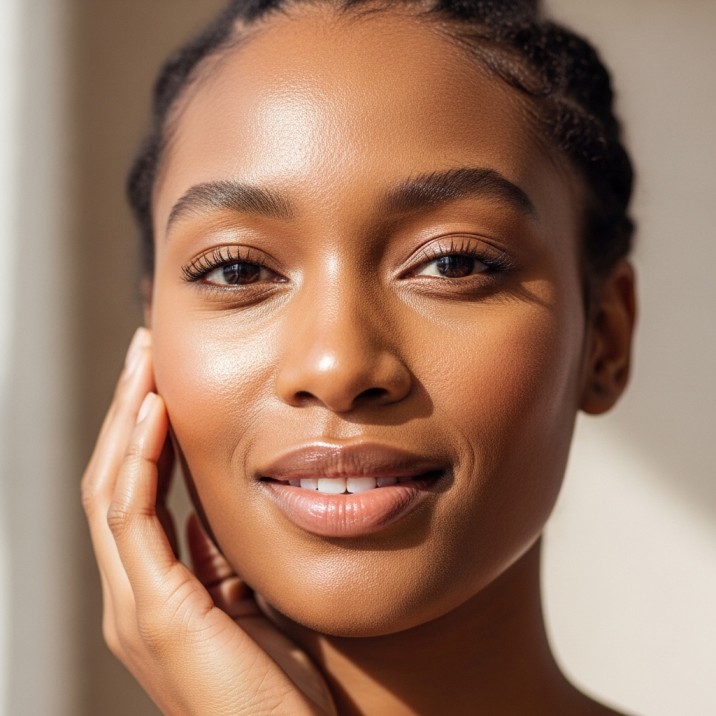
Many people wonder what causes acne and why it shows up at different stages of life. For some, it appears only during teenage years. For others, acne can persist well into adulthood, leaving both physical and emotional effects. To truly understand how to manage it, you need to know what causes acne, why it shows up in different forms, and how it affects your skin.
Is Acne a Skin Disease or a Symptom?
At its core, acne is a condition of the skin that occurs when pores become clogged with excess oil, dead skin cells, and sometimes bacteria. Dermatologists define acne as a common skin condition that affects the pilosebaceous unit, which includes the sebaceous glands and hair follicles.
While many people think acne is just a cosmetic issue, it can be a symptom of deeper imbalances in the skin and body, such as hormonal changes, inflammation, or bacterial overgrowth. That’s why acne is often more complex than it looks on the surface of your skin.
Acne is a Common Skin Condition That Affects Millions
Acne is a universal issue, cutting across age, gender, and geography. It is a common skin condition that doesn’t discriminate, though it often shows up most severely during puberty due to hormonal shifts. In fact, dermatology reports confirm that acne is the most common skin condition that brings people to a dermatologist.
For acne sufferers, the struggle isn’t only about appearance. Acne can affect self-confidence, social life, and even mental health. Understanding that acne is not just a teenage problem but a long-term skin condition for many helps frame why treatment and care are essential.
How Acne Forms in the Skin
To understand what causes acne, it’s important to break down the biological process. Acne doesn’t form overnight. Instead, it develops in stages within the skin.
The Role of the Sebaceous Glands
The sebaceous glands are small oil-producing glands located within your skin. Their primary role is to produce sebum, an oily substance that helps protect and moisturize your skin. However, when these glands produce too much oil, it can combine with dead skin cells and clog the pores. This is often the first step in the formation of acne.
How Hair Follicles and Dead Skin Cells Contribute
Hair follicles act as pathways for both oil and hair to reach the surface of your skin. But when dead skin cells are not shed properly, they can stick together with excess oil inside these follicles. This blockage creates the perfect environment for acne to develop.
The combination of hair follicles, sebaceous glands, and dead skin cells is one of the most common triggers of acne formation.
The Formation of Acne on the Surface of Your Skin
Once pores are clogged, bacteria naturally present in the skin, particularly Cutibacterium acnes, can multiply inside the blockage. This bacterial activity irritates the skin and can lead to inflammation, redness, and swelling. On the surface of your skin, this appears as blackheads, whiteheads, or inflamed pimples.
What Are the Symptoms of Acne?
The symptoms of acne vary depending on the severity and the type of lesion.
Mild vs Severe Acne
- Mild acne may show up as blackheads or whiteheads with little inflammation.
- Severe acne often includes cysts or nodules, which are painful and deeper within the skin. Severe acne can lead to scarring if not treated properly.
Types of Acne Lesions on the Skin
The most common types of acne include:
- Comedones (blackheads and whiteheads)
- Papules (small red bumps)
- Pustules (pimples with pus at the tip)
- Nodules and cysts (large, painful lumps under the skin)
What Causes Acne: Common Causes
Understanding what causes acne helps you choose the right treatment and avoid triggers
Hormonal Changes and Acne
Hormonal fluctuations are one of the most common causes of acne. During puberty, pregnancy, or menstrual cycles, changes in hormone levels can lead to overproduction of oil in the skin. These hormonal changes can cause acne flare-ups, especially on your face, chest, and back.
Genetics and a Family History of Acne
If you have parents or siblings who struggled with acne, your chances of experiencing it increase. Genetics influence how your skin produces oil and sheds dead skin cells. A family history of acne is a strong risk factor.
Environmental Triggers That Can Cause Acne
Pollution, high humidity, or even frequent sweating in the skin can trigger acne breakouts. In Nigeria, for example, the hot climate often makes your skin more prone to oiliness, which can lead to acne.
Risk Factors That Make Acne Worse
Certain lifestyle habits can make acne worse. These include using oily skincare products, not washing your face after sweating, or frequently touching your face. Stress is another risk factor that worsens the symptoms of acne. Some risk factors also overlap with what causes acne, such as hormonal fluctuations or genetics.
Can Acne Go Away on Its Own?
For some people, acne can clear up naturally over time, especially mild cases during adolescence. But in many cases, acne does not go away without treatment. Untreated acne can lead to scarring, dark spots, and persistent inflammation in the skin.
Why Some Acne Can Last for Years
Severe acne may be chronic, lasting into adulthood. This often happens when acne is caused by hormonal changes or genetics.
When to Treat Acne Early
Dermatologists recommend starting treatment early because leaving acne untreated can lead to permanent scarring. If you have acne that lasts more than a few months, professional care may be needed.
How to Treat Acne Safely
Treating acne depends on its severity and cause.
Over the Counter Options Available for Acne
Mild acne can often be treated with products available over the counter. Ingredients like salicylic acid, benzoyl peroxide, or adapalene help unclog pores, reduce oil, and calm inflammation. These options are usually the first step to treat acne.
Prescription Treatments for Acne
For more stubborn acne, dermatologists may prescribe oral medications such as antibiotics, hormonal therapy, or stronger topical treatments like retinoids.
Natural Remedies That May Be Helpful
Some people find relief with natural remedies such as tea tree oil, aloe vera, or honey. While these may be helpful, they are not replacements for clinically proven treatments, especially for severe acne.
Recommended skincare products for acne management
Treating acne goes beyond good habits and dermatologist visits. Over the counter products can also play an important role in managing breakouts and protecting your skin barrier. The right formula helps clear existing pimples, prevent new ones, and keep your skin balanced. Below are some trusted products available at Perona Beauty Store that you can add to your routine.
PanOxyl Acne Creamy Wash with 4% Benzoyl Peroxide – Daily Control
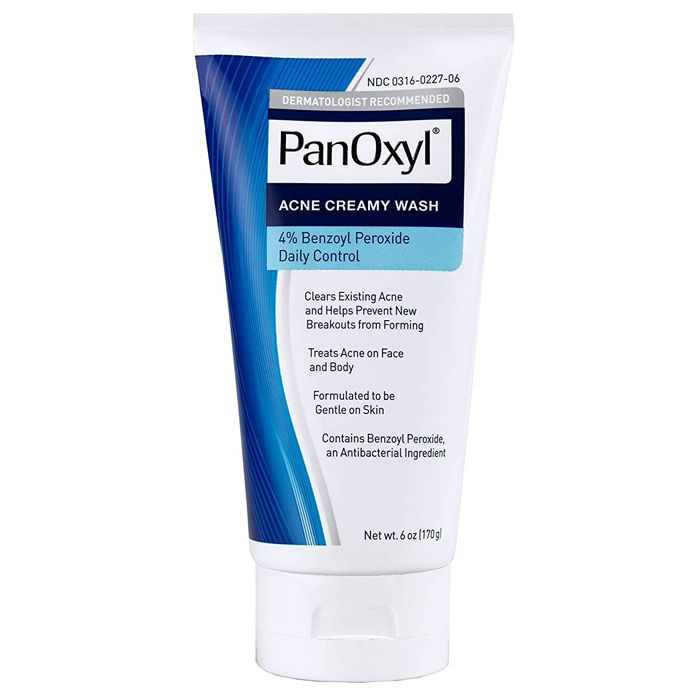
This creamy cleanser is one of the most popular dermatologist-recommended products for acne. It uses 4% benzoyl peroxide, a tried-and-true ingredient for clearing pimples and reducing bacteria in the skin. Unlike harsher benzoyl peroxide washes, PanOxyl adds emollients that hydrate and protect, so your skin doesn’t feel stripped after washing.
Best suited for women and men dealing with frequent breakouts, it can also help reduce acne on the back and chest, not just your face.
Pros:
- Targets acne-causing bacteria quickly with 4% benzoyl peroxide.
- Gentle creamy formula maintains moisture balance.
- Prevents future breakouts when used consistently.
- Suitable for face and body acne.
Cons:
- Can feel slightly drying if your skin is already dehydrated.
- May cause mild irritation during the first few uses.
Neutrogena On-The-Spot Acne Treatment with 2.5% Benzoyl Peroxide
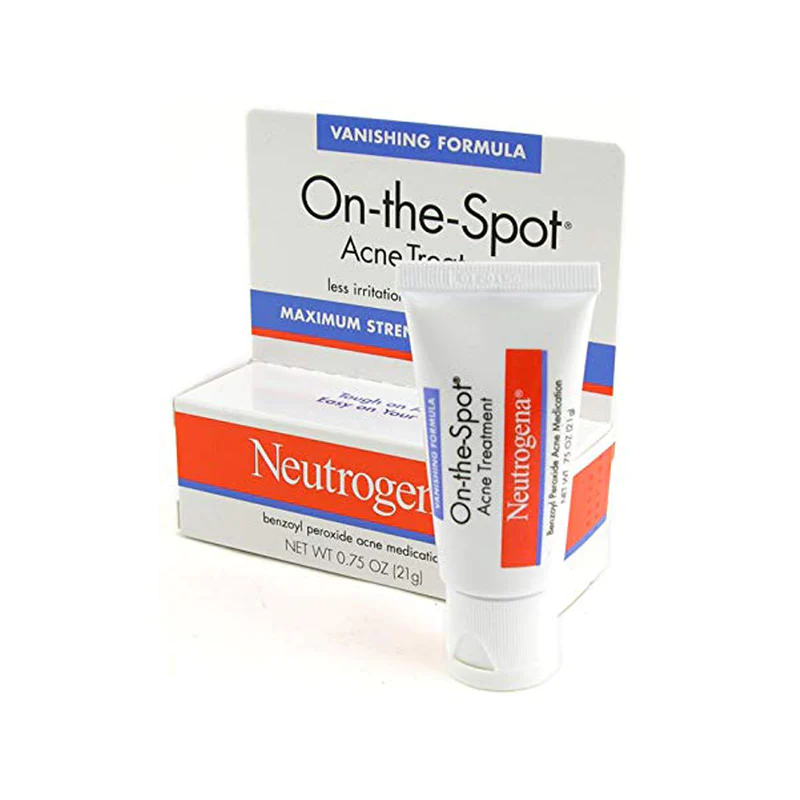
If you deal with sudden pimples that show up before an event, this spot treatment is a lifesaver. It contains 2.5% benzoyl peroxide, which is strong enough to kill acne-causing bacteria but gentle enough to minimize redness and peeling. Its lightweight texture absorbs fast, so you can apply it in the morning and still layer your sunscreen or makeup on top.
Perfect for people who want targeted action rather than a full-face treatment, this formula helps reduce inflammation in specific problem areas. It’s especially useful if you have acne-prone skin but don’t want the dryness that comes with stronger spot treatments.
Pros:
- Clinically proven to reduce pimples in as little as one day.
- Lightweight, fast-absorbing texture feels comfortable on your skin.
- Reduces redness and swelling without stinging.
- Prevents new pimples from forming in treated areas.
Cons:
- Works best for small spots, not severe or widespread acne.
- May cause slight flaking on sensitive areas.
Nineless Molecule-Clear Salicylic Acid Serum
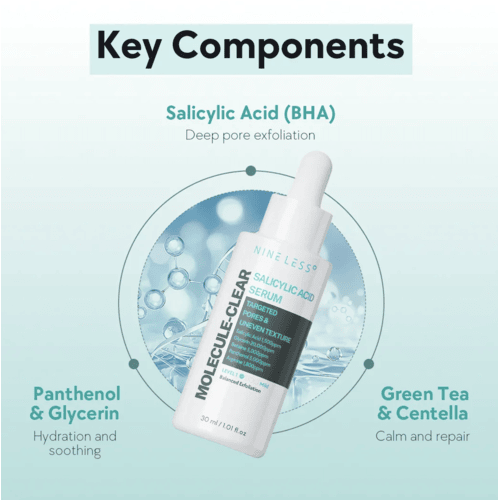
When your skin struggles with clogged pores and rough texture, salicylic acid is one of the most effective solutions. This serum gently exfoliates the skin, clearing dead skin cells that block hair follicles and lead to acne. Unlike scrubs, which can damage the surface of your skin, this formula penetrates deep without irritation.
Adding this serum to your routine helps keep your pores clear while improving overall smoothness. It also works well for people who want acne treatment without the dryness that benzoyl peroxide sometimes causes.
Pros:
- Prevents clogged pores by removing dead skin cells.
- Improves skin texture without harsh scrubbing.
- Lightweight, non-greasy formula works for daily use.
- Reduces blackheads and whiteheads in addition to acne.
Cons:
- May cause purging in the first few weeks.
- Not suitable if you’re allergic to salicylic acid.
Anua Azelaic Acid 10% + Hyaluronic Acid Redness Soothing Serum
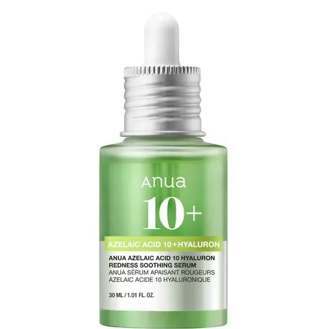
Azelaic acid is a gentle but powerful ingredient that helps reduce redness, calm inflammation, and even out skin tone. This serum combines 10% azelaic acid with hyaluronic acid for hydration, making it a perfect choice for sensitive or acne-prone skin.
It’s especially useful for people dealing with post-acne marks, rosacea, or redness that lingers long after a pimple heals.
Pros:
- Calms redness and irritation caused by acne.
- Evens out skin tone with regular use.
- Provides lightweight hydration that won’t clog pores.
- Suitable for sensitive and acne-prone skin.
Cons:
- Results may take several weeks to appear.
- Less effective on severe acne compared to stronger actives.
TIAM Vita B3 Source Niacinamide + Arbutin Serum
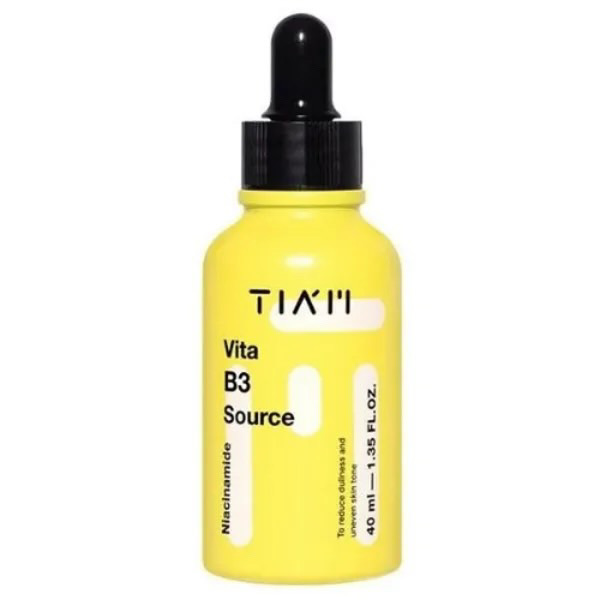
Acne often leaves behind stubborn dark spots, and this serum is designed to target exactly that. With 10% Niacinamide and Arbutin, it reduces oiliness, brightens discoloration, and restores radiance to your skin. It also strengthens your skin barrier, which is key to preventing future breakouts.
It works well under moisturizer and sunscreen, making it easy to incorporate both morning and night.
Pros:
- Reduces acne scars and dark spots effectively.
- Controls oil production to minimize new breakouts.
- Boosts overall brightness and skin clarity.
- Lightweight and suitable for layering with other products.
Cons:
- May cause mild tingling in very sensitive skin.
- Requires consistent use alongside sunscreen for best results.
Do Diet and Lifestyle Choices Make Acne Worse?
Research shows that diet may be linked to acne in some people. High-glycemic foods, dairy, and processed sugar can cause acne flare-ups in certain individuals. Lack of sleep, stress, and poor skincare habits can also make acne worse.
Acne and Mental Health: More Than a Skin Concern
People with acne often experience anxiety, depression, and social withdrawal. Acne is not just about the skin. It affects how you see yourself and how others perceive you. This is why dermatologists emphasize not ignoring acne and seeking treatment early.
Tips to Prevent Acne on the Skin
- Wash your face gently twice a day
- Avoid picking or squeezing pimples
- Use non-comedogenic skincare products
- Protect your skin from excess sun exposure
- Stay hydrated and eat a balanced diet
When to See a Dermatologist if You Have Acne
If you have acne that doesn’t improve after trying over the counter treatments, it may be time to see a dermatologist. Severe acne, especially cysts or nodules, requires professional treatment to prevent scars and control symptoms.
Managing Acne with Care and Confidence
Acne is a common skin condition that can affect anyone, but it is not something you need to live with forever. Understanding what causes acne helps you take the right steps to treat and prevent it.
Take charge of your skin today. Explore trusted acne-care products at Perona Beauty and start your journey toward clear, healthy skin.